What is mindfulness for kids, and do they need it?

Mindfulness can boost the quality of children’s lives in many ways. From the earliest moments, it can minimize anxiety, greatly increase happiness, and allow your child to live in the moment. Mindfulness is actually a point of view, it’s about becoming fully aware of what is happening around you in the present moment. We live in a fast-paced world, and kids often oversight what’s going around them.
How does it help?
Kids face adversity as soon as they are born. Infants get hungry and sleep all day. Toddlers learn about self-control and grapple with language. And as the process of child development goes on, life gets even more complex. School obligations, building relationships, coping with independence – all of this create additional stress for every child.
At each stage of child development, mindfulness can be a great tool for relieving stress and increasing happiness.
Early habits

When it comes to mindfulness activities for kids, we have to emphasize that childhood age is the best period for benefiting from mindfulness practice. What kind of habits kids form early will affect their adulthood behavior. And with mindfulness, we give our kids the opportunity to be peaceful, accepting, and kind.
Think about mindfulness like this: it offers relief to the child from whatever difficulties s/he might encounter in this period – or even later in life.
Where do I start?
The most important thing is to start with mindfulness activities for kids at the appropriate age. For example, showing in the preschooler period kids’ tools like simple movements, music, objects, or pictures help them in developing the ability to stay present and focused. Mindful breathing is one of the main activities that can help children to develop mindfulness. Besides, it can also be a funny activity for them.
Lazy 8 breathing
Lazy 8 breathing is a common strategy for kids in which they track a number 8 while trying to control their breathing. Here’s what it looks like. As the kid moves the finger across the smaller loop of the 8, they need to inhale, and vice versa. When they drag a finger around the larger loop of the 8, they should exhale. This is a very effective way to learn deep inhales and practice elongated exhales in order to control breathing and slow heart rate. To make it even more fun, you can give them a paintbrush and let them paint an 8 instead of tracing it.
Bottom line
Being present is more than important. If they stare at a smartphone and you search the web, this is exactly when you, as a parent/teacher, need to be mindful the most. Stay kind, accept the present moment, and be compassionate – modeling good behavior.
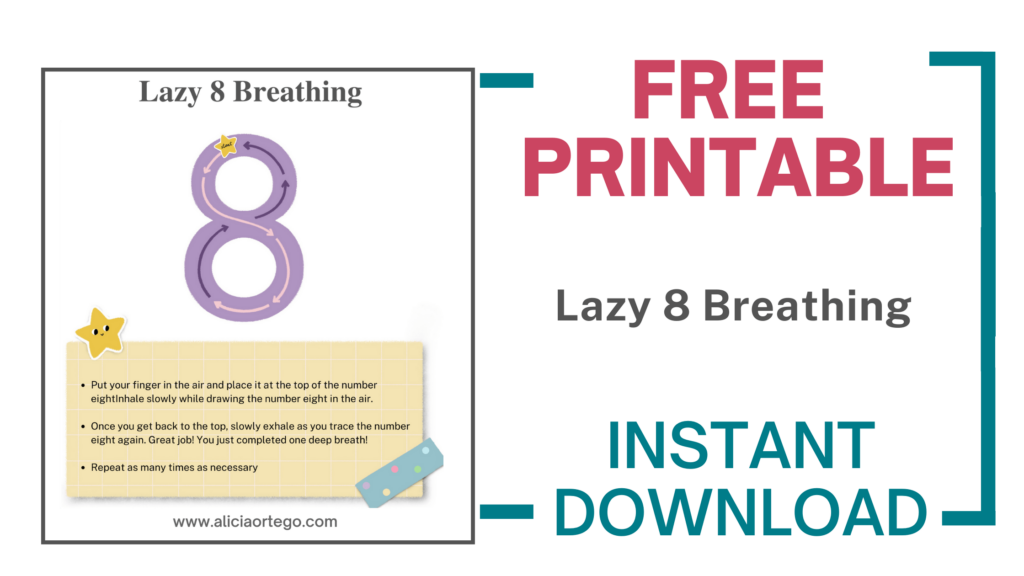 Download Now
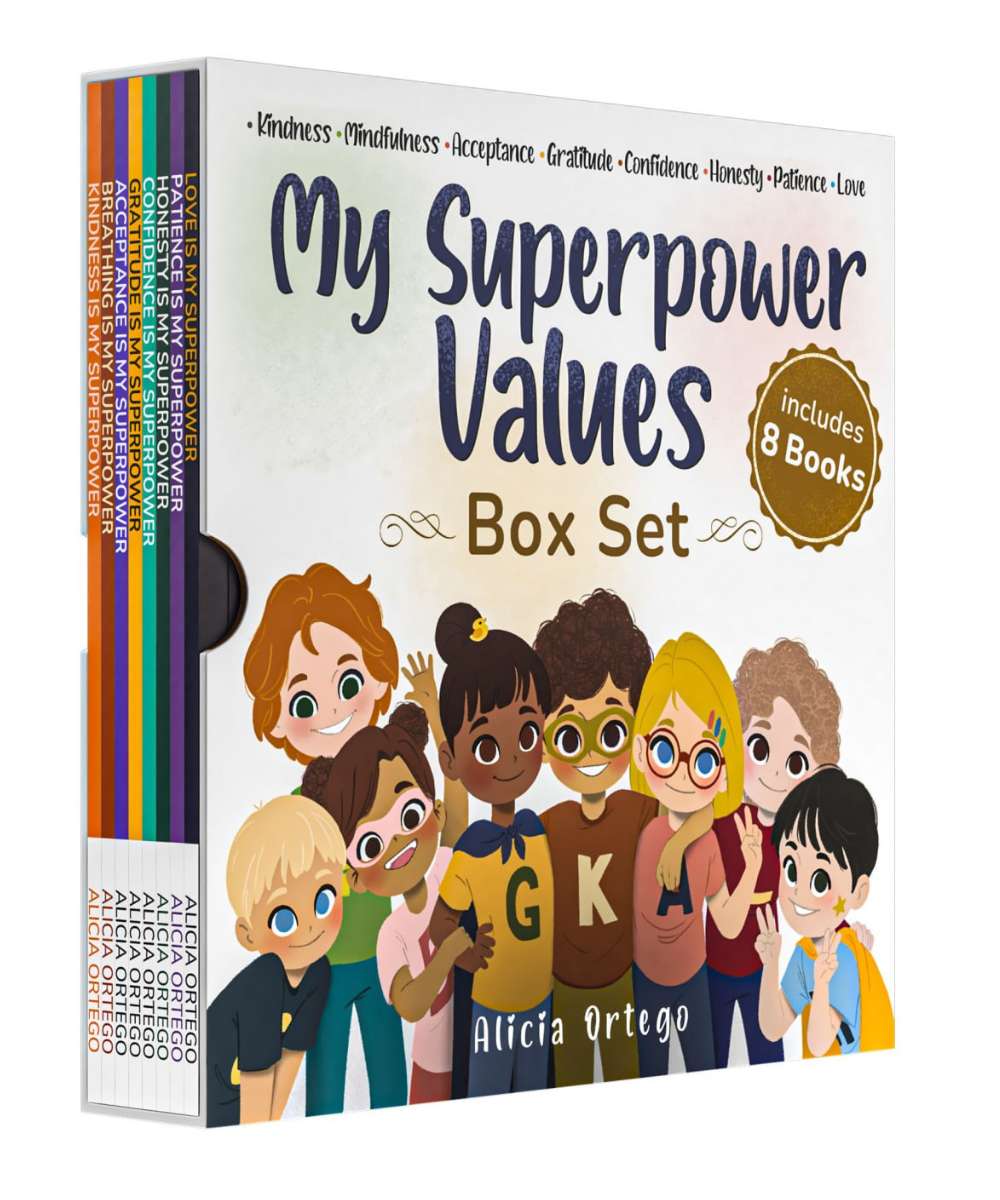
More articles
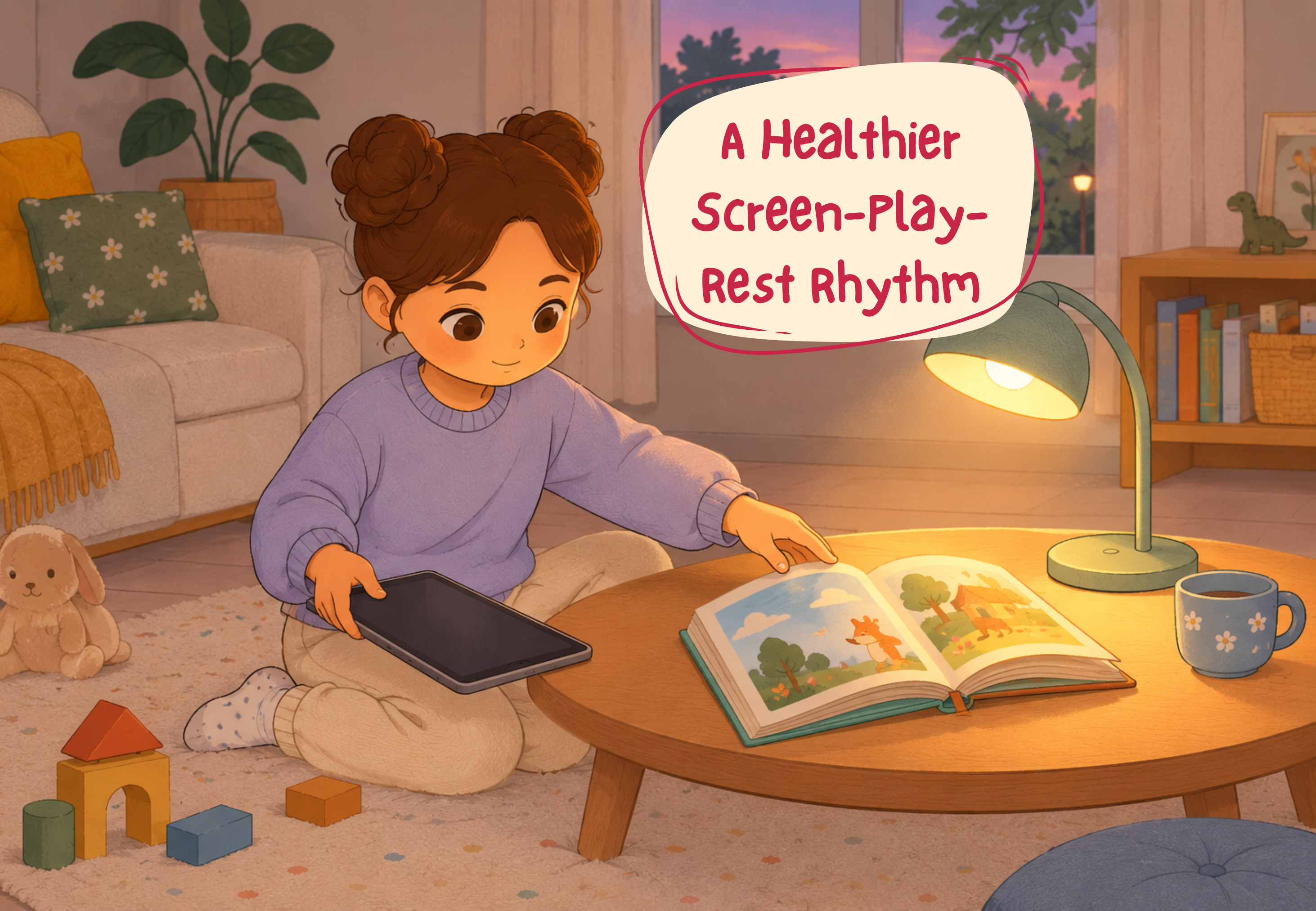
Creating a healthier rhythm between screens, play, and rest
It is five o’clock, homework is finished, and your child asks for the tablet. The device has already been used for school, but a favorite game or video may also be how your child relaxes at the end of a long day. Moments like this can make screen decisions feel more complicated than they need […]
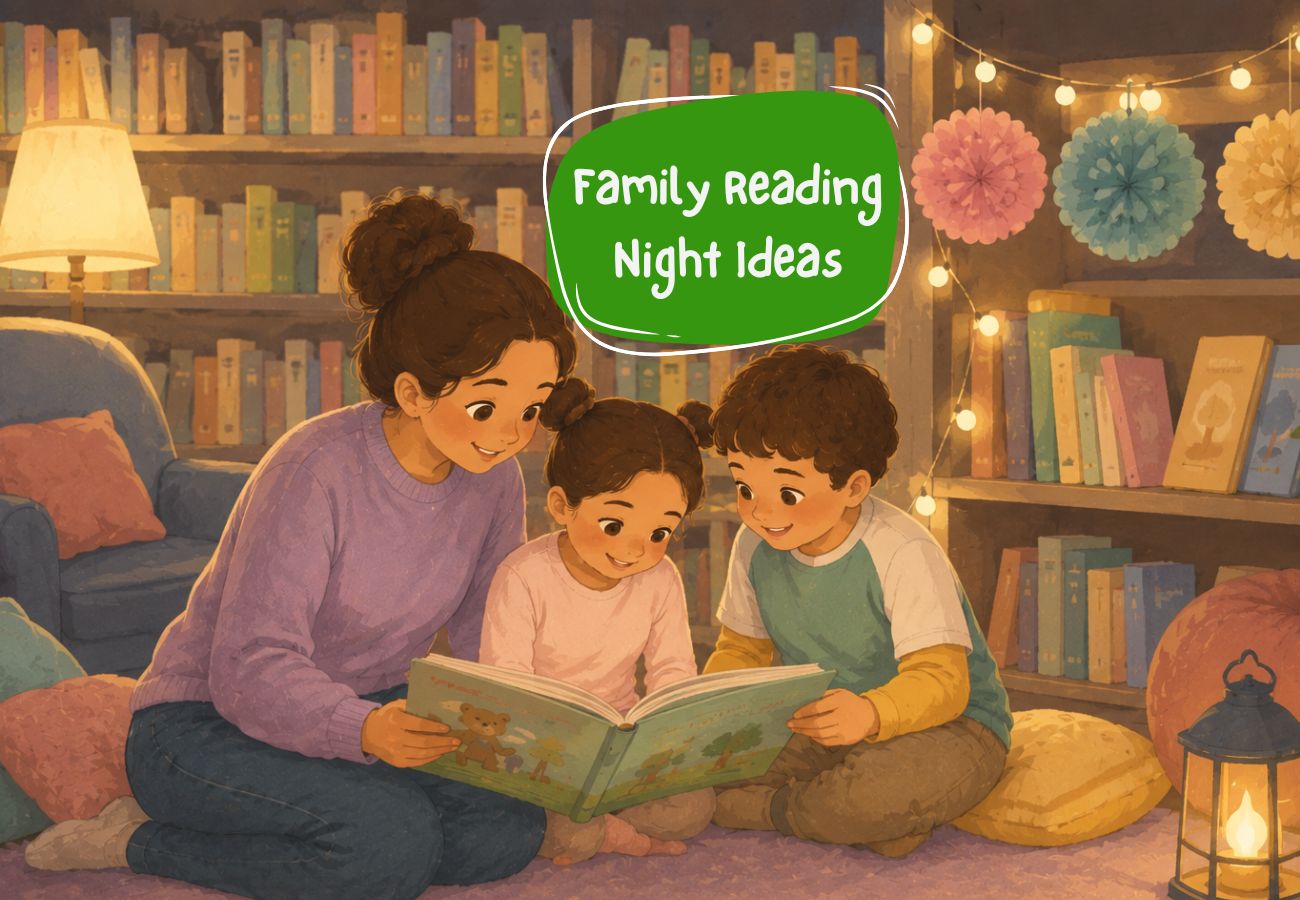
Family Reading Night Ideas: 40 Fun Activities for Schools and Families
Family Reading Night is one of the simplest ways a school can turn reading from a homework chore into something a whole family looks forward to. When it’s done well, kids see their parents excited about books, parents see how their children read and think, and teachers get a rare evening where the whole community […]
How Art Activities Help Kids Build Confidence
Every parent has watched their child hesitate before trying something new. Maybe it was raising a hand in class, joining a game at the playground, or simply saying hello to another kid. Confidence is not something children are born with. It is a skill they build, one small success at a time. And few places […]