How Pets Help Children Practice Kindness, Consistency, and Calm


Daily life offers countless small opportunities for children to learn emotional skills, especially through routines that feel safe, meaningful, and consistent. While parents and educators often focus on teaching kindness through words and lessons, children tend to learn best through lived experience.
One gentle and powerful way this learning happens is through caring for a family pet.
Pets naturally invite children to slow down, show compassion, and build trust through simple daily care. Routines like feeding, brushing, walking, or even sitting quietly together can teach children responsibility while also supporting a calm emotional connection.
When approached in an age-appropriate and supportive way, pet care becomes more than a household task. It becomes a daily practice of empathy, patience, mindfulness, and emotional growth, one day at a time.
Pets as Everyday Teachers of Emotional Intelligence
Emotional intelligence develops through relationships. Children learn how emotions work not only through conversations, but through connection, response, and experience.
Pets offer a unique kind of relationship. They are present, comforting, and often emotionally responsive without requiring complicated communication. This makes them wonderful companions for children who are still learning how to express themselves.
Through everyday interactions, children begin to notice:
- How animals respond to tone of voice
- How gentle behavior creates trust
- How routines help pets feel safe
- How emotions can be understood through actions
A pet becomes a living reminder that care is something we practice, not something we simply talk about. Over time, children begin to understand that trust is not instant. It grows slowly through repeated kindness and calm consistency.
Kindness in Action: Learning Empathy Through Pet Care
Kindness is one of the first emotional skills children develop when caring for an animal.
Small daily acts such as filling a water bowl, brushing softly, or greeting a pet calmly help children recognize that animals have needs, preferences, and comfort levels.
Children begin to learn empathy through questions like:
- Is my pet feeling tired or playful today?
- Does my dog like being hugged, or does it need space?
- How can I help my pet feel safe?
These reflections teach children that kindness includes awareness.
For example, a child who learns to approach gently instead of rushing toward a pet is practicing emotional self-control and respect. A dog wagging its tail after a calm greeting reinforces the idea that compassion builds connection.
These experiences help children understand that kindness is not only a feeling it is a behavior shown through gentle actions.
Consistency Builds Trust Over Time
Children thrive when life feels predictable. Daily routines provide structure, emotional security, and a sense of stability.
Pets also thrive on consistency. They feel safest when their needs are met reliably.
When children participate in consistent pet care, they begin to learn what it means to show up regularly, even in small ways. This teaches one of the most important emotional lessons:
Trust grows through repetition.
Simple responsibilities help children practice:
- follow-through
- reliability
- patience
- accountability
- calm responsibility
A child learns that relationships are strengthened not through big gestures, but through steady presence over time.
Mealtime as a Simple Daily Routine for Connection
Feeding time is one of the easiest and most consistent routines for children to join. It happens every day, often at the same time, making it a natural starting point for learning responsibility.
With adult guidance, children can help by:
- scooping food into a bowl
- setting it down gently
- observing their pet’s habits
- learning when a pet seems hungry or full
This routine teaches children something meaningful:
Pets depend on reliable care. Feeding becomes more than a task. It becomes a predictable moment of connection that helps children feel capable and involved.
Families may also explore balanced dog food options that support steady wellness and daily routine stability. The goal is not perfection, but a calm rhythm that both children and pets can rely on.
Calm and Mindfulness Through Gentle Pet Interactions
Pets naturally encourage mindfulness. They live in the present moment, and spending time with them helps children slow down.
Quiet activities such as brushing, sitting beside a dog, or walking calmly outdoors can become mindfulness practices without needing formal instruction.
Children begin to notice:
- How a pet breathes when relaxed
- How animals respond to calm energy
- How slowing down creates connection
Parents can encourage simple mindful moments by asking:
- What do you notice about your pet right now?
- How do you think your pet feels?
- What helps your pet feel safe?
These small reflections build emotional awareness and teach children how to regulate their own emotions.
Teaching Patience and Respect for Boundaries
One of the most valuable lessons pets teach is patience.
Children may want immediate affection, quick obedience, or instant play. But animals, like people, have boundaries and moods.
Daily care helps children understand:
- Trust cannot be rushed
- Gentle consistency matters more than force
- Relationships require time and respect
If a pet walks away or needs space, children learn that love includes respecting boundaries. These lessons support emotional maturity and help children develop healthier expectations in friendships, school settings, and family relationships.
Keeping Pet Responsibilities Age-Appropriate
Parents and educators often wonder how much responsibility is healthy for children. The goal is never to place full pet care on a child, but to involve them in supportive, manageable ways.
Age-appropriate tasks may include:
- Toddlers: helping pour water with supervision
- Young children: scooping food or handing a brush
- Older children: walking a dog with an adult or helping with training routines
Helpful approaches include:
- starting with one small daily task
- keeping routines predictable
- using simple charts or reminders
- teaching hygiene and gentle handling
- praising effort instead of perfection
When routines feel positive and realistic, children stay engaged, and pets remain well cared for.
Life Lessons Beyond Pet Ownership
The emotional skills children learn through pet routines often extend into other areas of life.
Practicing kindness, consistency, and calmness supports children in:
- friendships
- classroom relationships
- family communication
- emotional resilience
Children begin to understand that trust is built through steady presence, empathy, and showing up each day. These lessons stay with them long after childhood.
Closing Note
Daily pet routines offer more than structure. They offer connection, emotional learning, and steady growth.
Through simple repeated care, children practice empathy, patience, responsibility, and trust in ways that feel natural and meaningful.
In a world that often feels rushed, caring for an animal can be one of the gentlest ways to teach kindness, consistency, and calm at home, one day at a time.
More articles
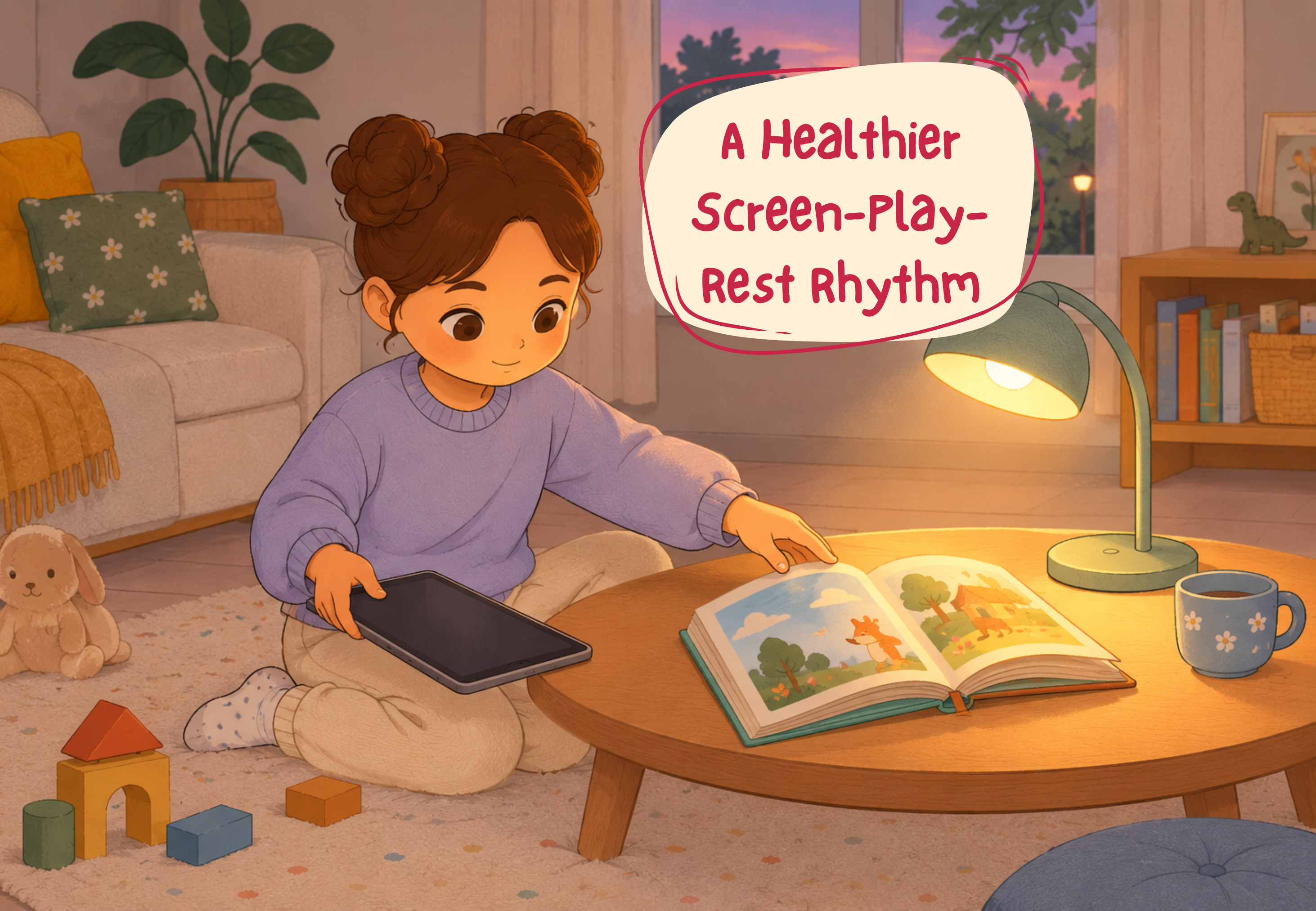
Creating a healthier rhythm between screens, play, and rest
It is five o’clock, homework is finished, and your child asks for the tablet. The device has already been used for school, but a favorite game or video may also be how your child relaxes at the end of a long day. Moments like this can make screen decisions feel more complicated than they need […]
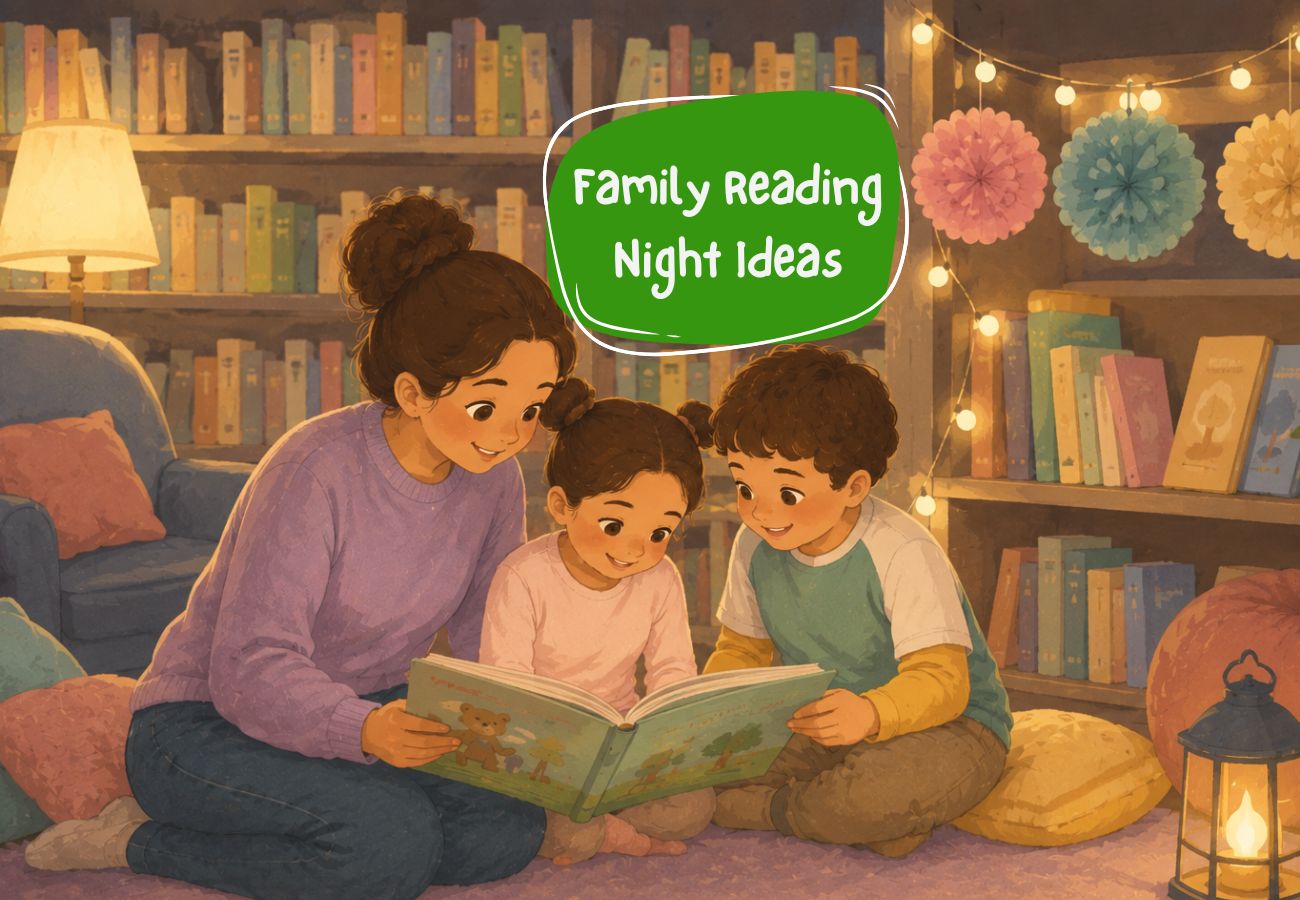
Family Reading Night Ideas: 40 Fun Activities for Schools and Families
Family Reading Night is one of the simplest ways a school can turn reading from a homework chore into something a whole family looks forward to. When it’s done well, kids see their parents excited about books, parents see how their children read and think, and teachers get a rare evening where the whole community […]
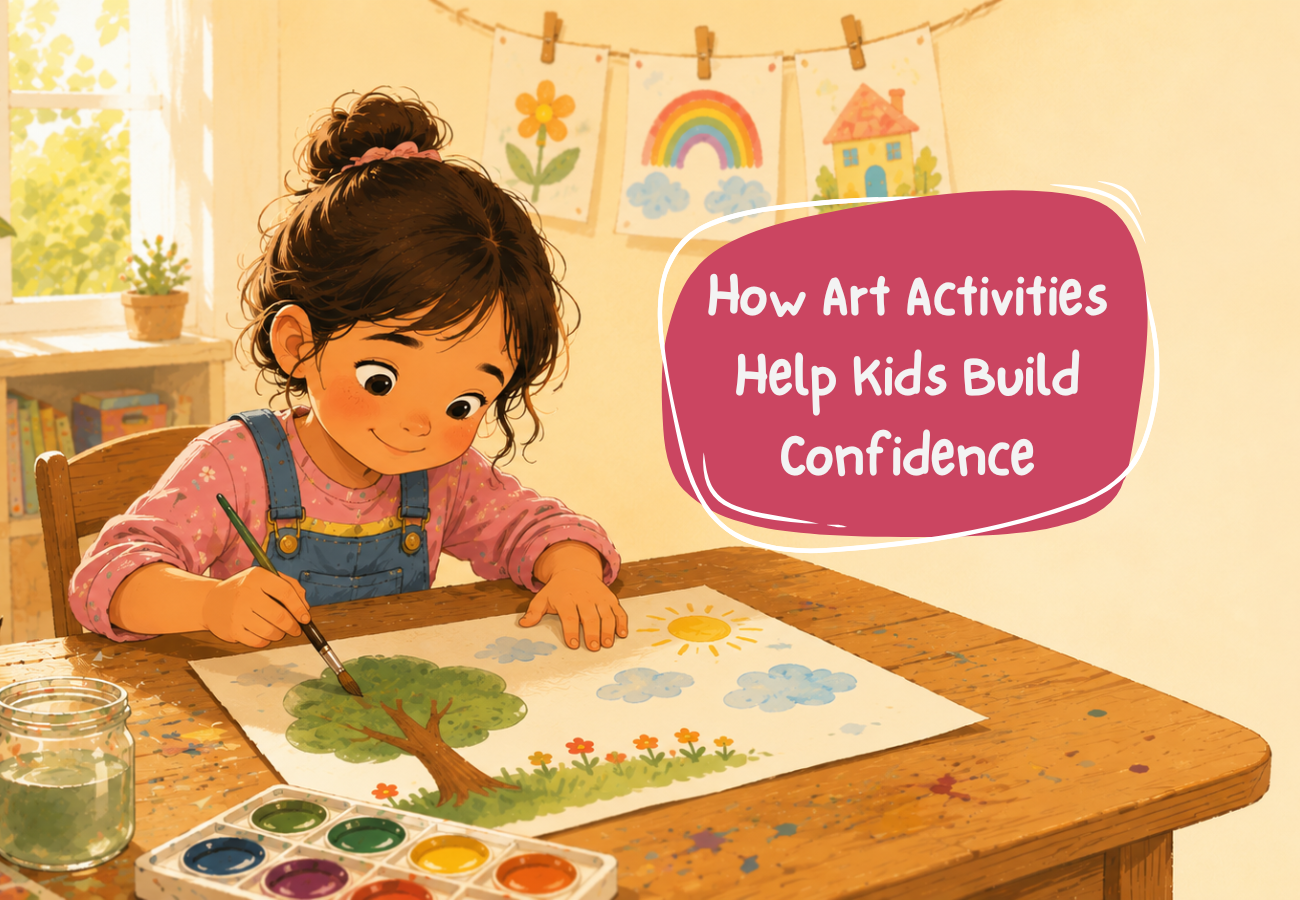
How Art Activities Help Kids Build Confidence
Every parent has watched their child hesitate before trying something new. Maybe it was raising a hand in class, joining a game at the playground, or simply saying hello to another kid. Confidence is not something children are born with. It is a skill they build, one small success at a time. And few places […]