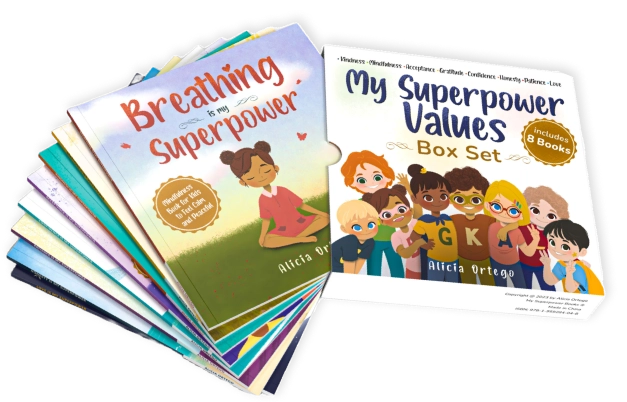
Teaching Kids to Celebrate Differences Through Books

Why Books Matter in Teaching Kids About Differences
Teaching kids to celebrate differences through books is one of the most effective and natural ways to build a more inclusive future. Stories have long served as windows into other lives, cultures, and perspectives. When children read books that highlight diversity, inclusion, and empathy, they begin to see the beauty in differences — and not fear them.
Over time, we’ve heard from several teachers and school counselors who have shared how they bring these values into the classroom. A common theme among them? The power of picture books to start meaningful conversations.
One teacher told us:
“In my classroom, kids come from all kinds of backgrounds — different cultures, family structures, abilities. If we don’t talk about those differences openly, children can form assumptions or insecurities. Books help create a safe space for those talks.”
Another shared:
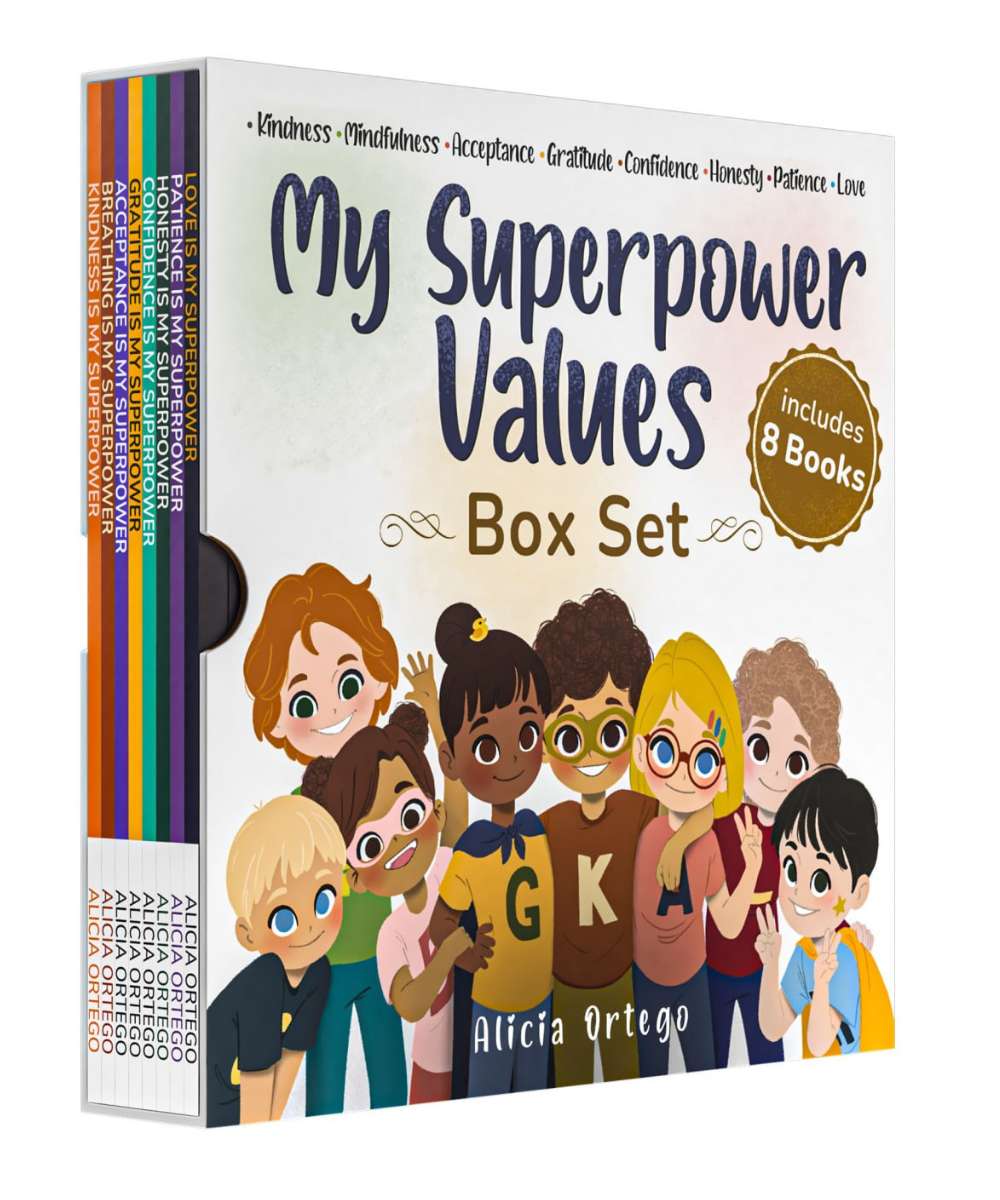
“Acceptance is My Superpower has become one of our favorite go-to books. It tells the story of a little girl learning to embrace the differences in others — whether someone looks, talks, or learns differently. Kids see themselves and their classmates in the story.”
A third teacher added:
“The illustrations are warm and relatable. The book presents real-life situations children understand — like someone wearing glasses or speaking another language — and gives them language to respond with kindness. It’s a story we revisit often.”
Real Classroom Impact: One Child’s Story
One educator recalled a moment that perfectly captured how powerful this message can be:
“After reading Acceptance is My Superpower, one of my first graders raised his hand and said,
‘I used to think my friend was weird because he doesn’t talk a lot. But now I think he’s just different, and that’s okay.’
That’s when I knew the story hit home.”
This kind of shift in mindset is exactly what books that celebrate differences are meant to create.
Why Every Family Needs Books That Celebrate Differences
Whether you’re a teacher, parent, or librarian, introducing children to books that celebrate differences sends a clear message: everyone belongs. Books like Acceptance is My Superpower help children understand:
- Disability and neurodiversity
- Race and cultural identity
- Different family structures
- Language, religion, and traditions
- Social-emotional differences
This aligns with modern efforts to build classrooms and homes that prioritize inclusion and emotional intelligence.
Tips for Teaching Kids to Celebrate Differences Through Books
1. Add diverse books to your everyday reading routine
Let books that celebrate differences sit right next to bedtime favorites and fairy tales.
2. Ask open-ended questions
After reading, ask: “What made that character special?” or “Do you know someone who’s different in a similar way?”
3. Encourage kids to explore their own uniqueness
Try drawing exercises, identity poems, or “My Superpower” worksheets.
4. Use stories to build long-term habits
Books like Acceptance is My Superpower aren’t one-time reads — they’re tools you’ll return to again and again.
Final Thoughts: Why Teaching Kids to Celebrate Differences Through Books Is So Important
When we teach children to celebrate differences through books, we offer them something bigger than knowledge — we offer them perspective. These early experiences lay the foundation for a generation that chooses empathy over judgment and kindness over fear.
Help your child build that perspective today with Acceptance is My Superpower — a gentle, uplifting story about what makes us unique and why that’s something to be proud of.
More articles
When Do Kids Start Reading? A Parent’s Guide to Early Literacy and Chapter Books
One of the most common questions parents ask is “When do kids start reading?” Understanding reading milestones can help you support your child’s literacy journey with confidence and patience. While every child develops at their own pace, research shows predictable stages of reading growth. From recognizing letters to reading their first chapter book, this guide […]
How Pets Help Children Practice Kindness, Consistency, and Calm
Daily life offers countless small opportunities for children to learn emotional skills, especially through routines that feel safe, meaningful, and consistent. While parents and educators often focus on teaching kindness through words and lessons, children tend to learn best through lived experience. One gentle and powerful way this learning happens is through caring for a […]
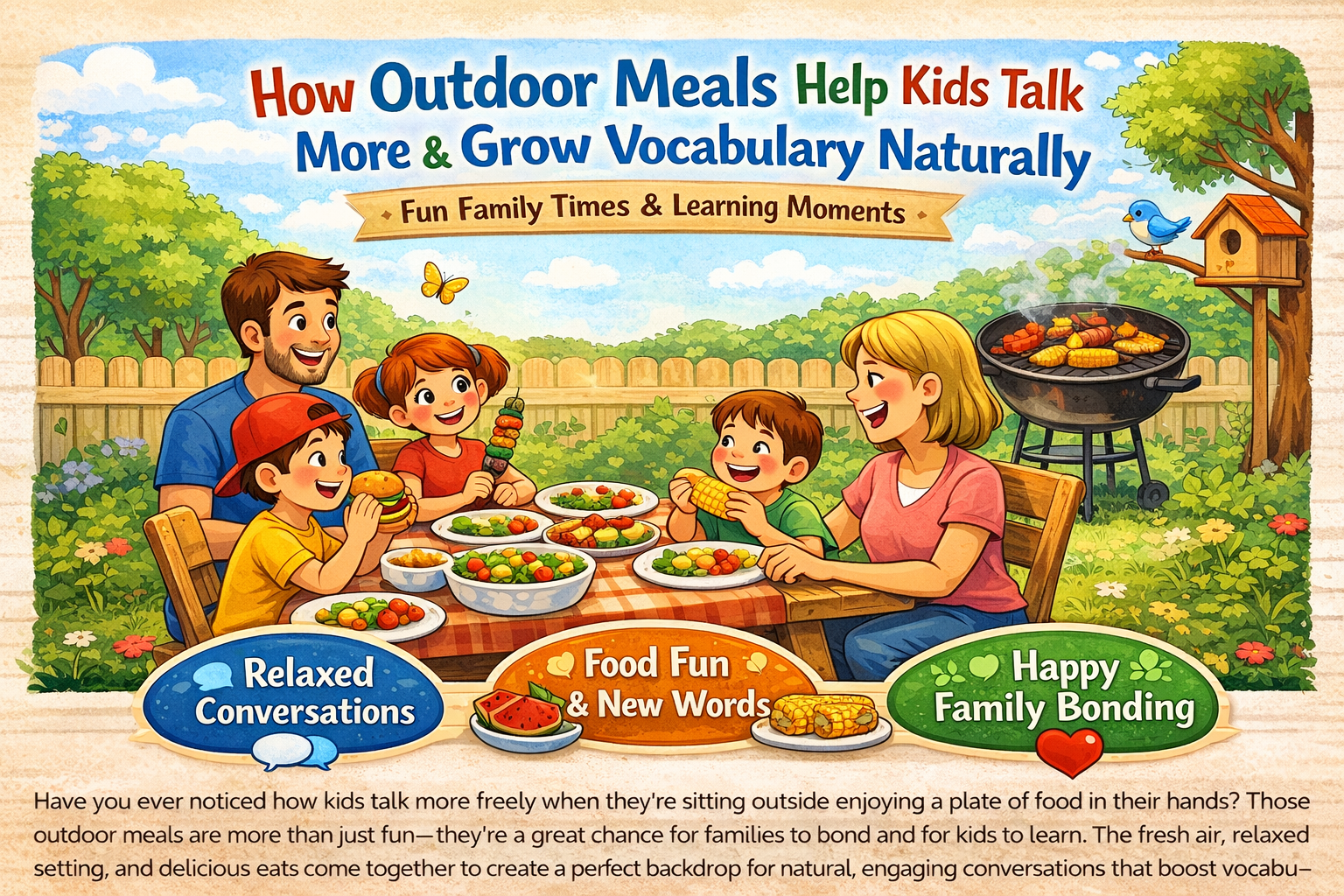
Using Outdoor Meals to Spark Conversation and Vocabulary Growth
Have you ever noticed how kids talk more freely when they are sitting outside with a plate of food in their hands? Outdoor meals have a special kind of warmth. The open air, the relaxed mood, and the simple joy of eating together help children speak naturally. It becomes a happy time where new words, […]