Free Printable Reading Logs for Kids: Fun and Progress Tracking!

Encouraging a child’s love for reading can sometimes be challenging, but it becomes an enjoyable journey with the right tools. A reading log for kids is a tool that helps children track their reading progress, making it fun and motivating whether you have a 5-year-old just starting or a 7-year-old who’s already a little bookworm, a kid’s reading log or reading journal for kids can make a big difference in their reading habits.
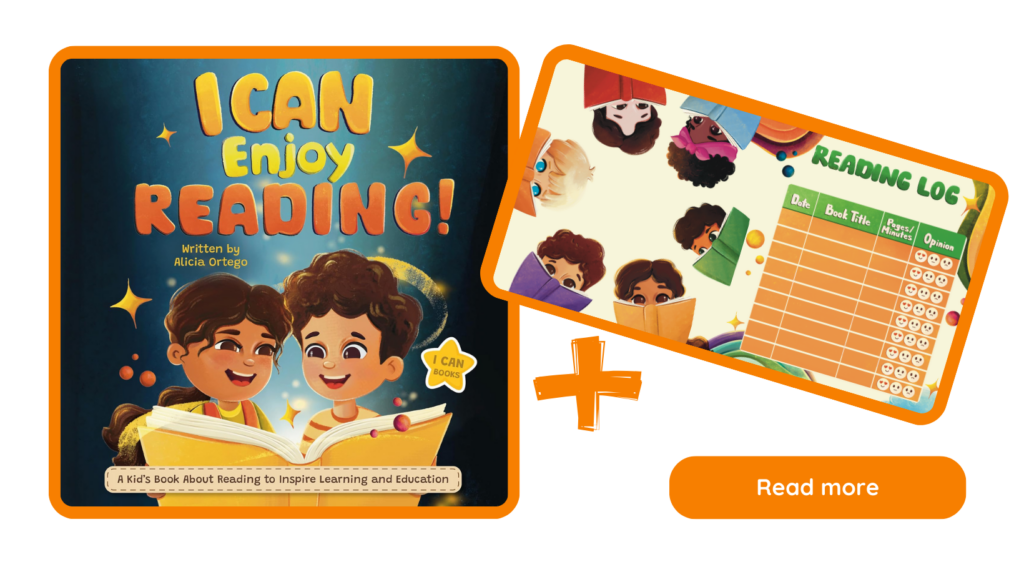
In this article, we’ll explore the best reading journals for students, share free printable elementary reading logs and preschool reading logs, and provide tips on how to use these tools to foster a lifelong love of reading. Plus, don’t miss out on the free printable reading log from the book I Can Enjoy Reading, a fantastic resource that complements the journey of young readers.
Why a Reading Log for Kids is a Game-Changer
Keeping track of what your child reads might seem simple, but it can have a profound impact on their reading development. A reading log for kids is more than just a list of books; it’s a way for them to take pride in their reading achievements and see how far they’ve come. For younger children, a preschool reading log can help them visually understand the concept of progress and set the foundation for regular reading habits.
For older kids, especially those in elementary school, a reading journal for kids can serve as a space where they not only track their reading but also reflect on what they’ve read. This reflection helps improve comprehension and critical thinking skills, making the reading experience more meaningful.
Book “I Can Enjoy Reading” + free printable of reading log
Top Free Printable Reading Logs for Kids
Finding the right reading log can make all the difference in engaging your child with their reading routine. Here are some of the best free printable reading logs for kids that you can easily download and start using today:
- Monthly Reading Log
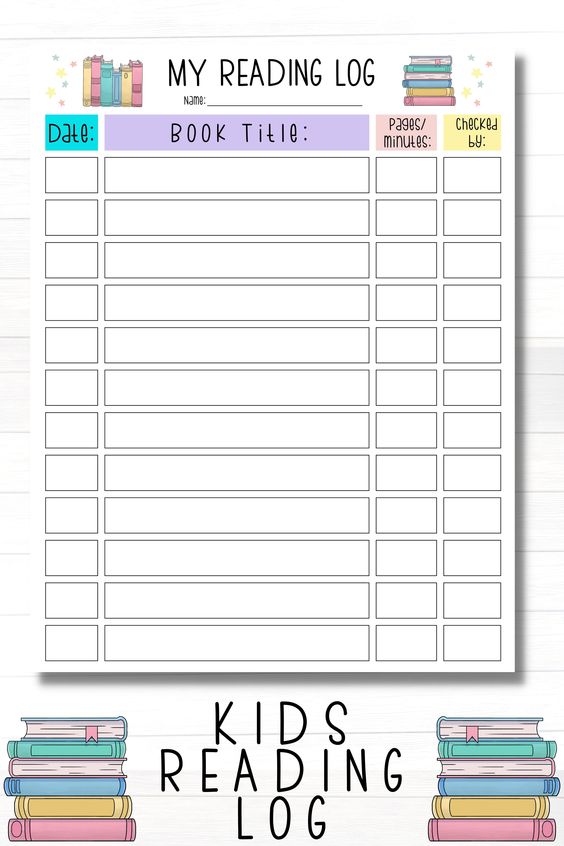
Perfect for tracking books read each month. This reading chart for kids is simple but effective, allowing kids to set goals and see their progress over time.
2. Reading Log with Book Reviews
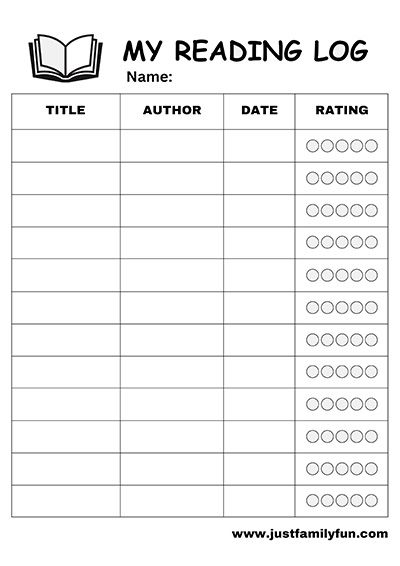
Encourage deeper thinking with a log that includes space for short book reviews. It’s a great way to get your child to think critically about the stories they read.
3. Colorful Preschool Reading Log
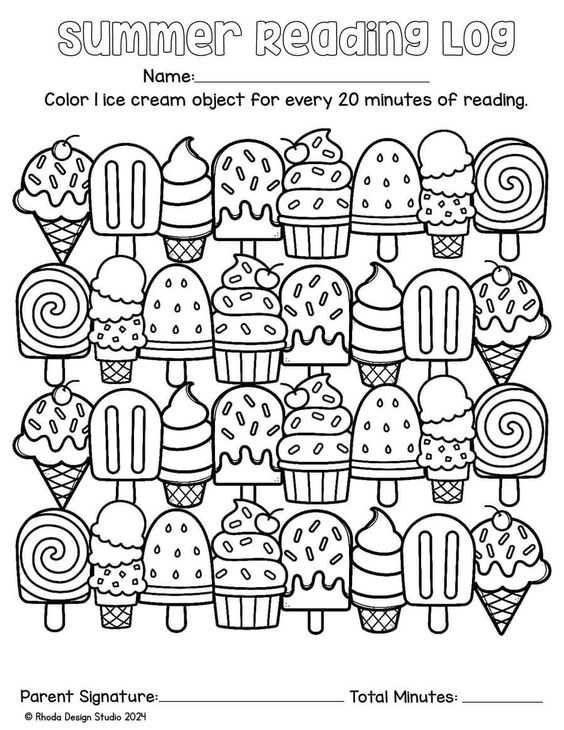
Designed for the littlest readers, this preschool reading log is fun and interactive, with space for stickers or drawings.
4. Daily Reading Tracker
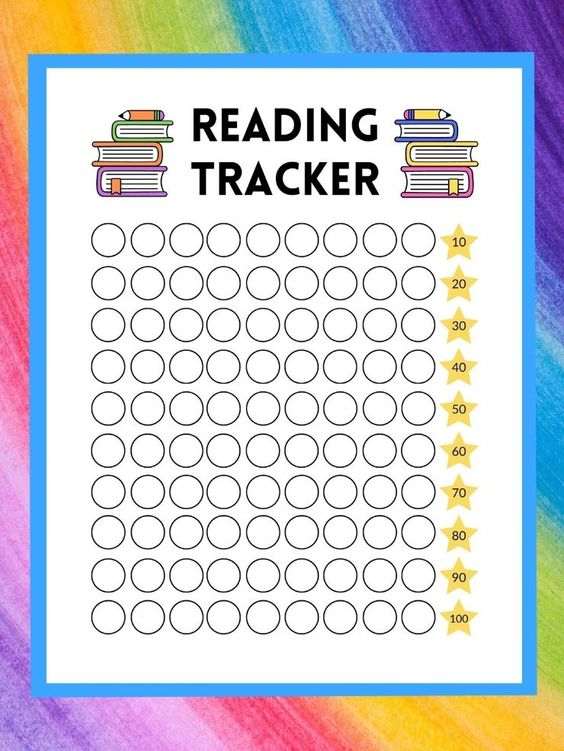
Ideal for those who want to encourage daily reading habits. This log helps children and parents keep a consistent reading schedule.
5. Seasonal Themed Reading Logs
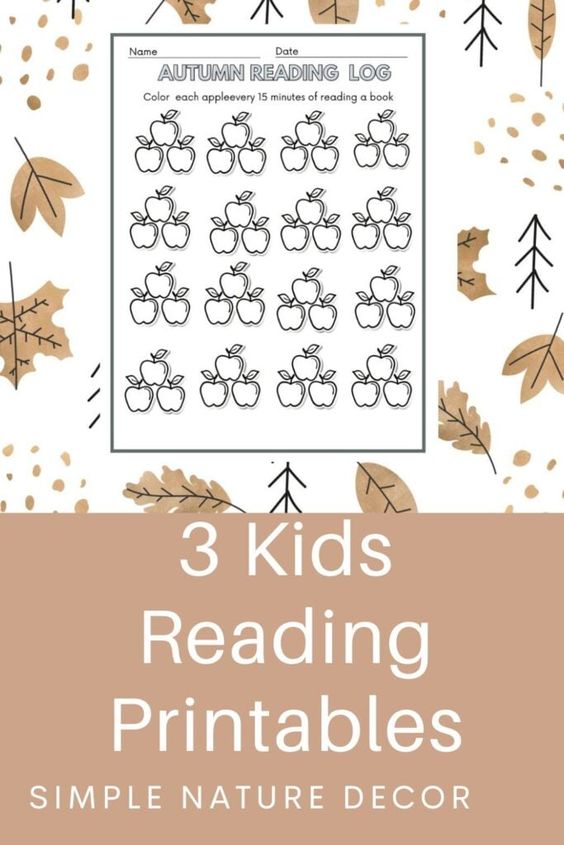
Add some seasonal fun with themed logs for summer, winter, fall, and spring. These logs can be a great way to keep reading exciting throughout the year.
If you’re looking for a book that’s both engaging and educational, consider adding I Can Enjoy Reading to your child’s bookshelf. This book not only encourages a love for reading but also comes with a free printable reading log that perfectly complements the content. It’s an excellent resource for parents who want to support their child’s reading journey from an early age. You can download other free materials for your children to help them develop a love of reading and emotional intelligence in the freebies section of our website.
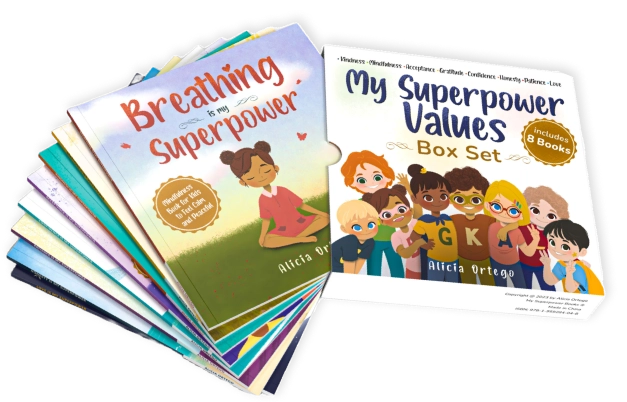
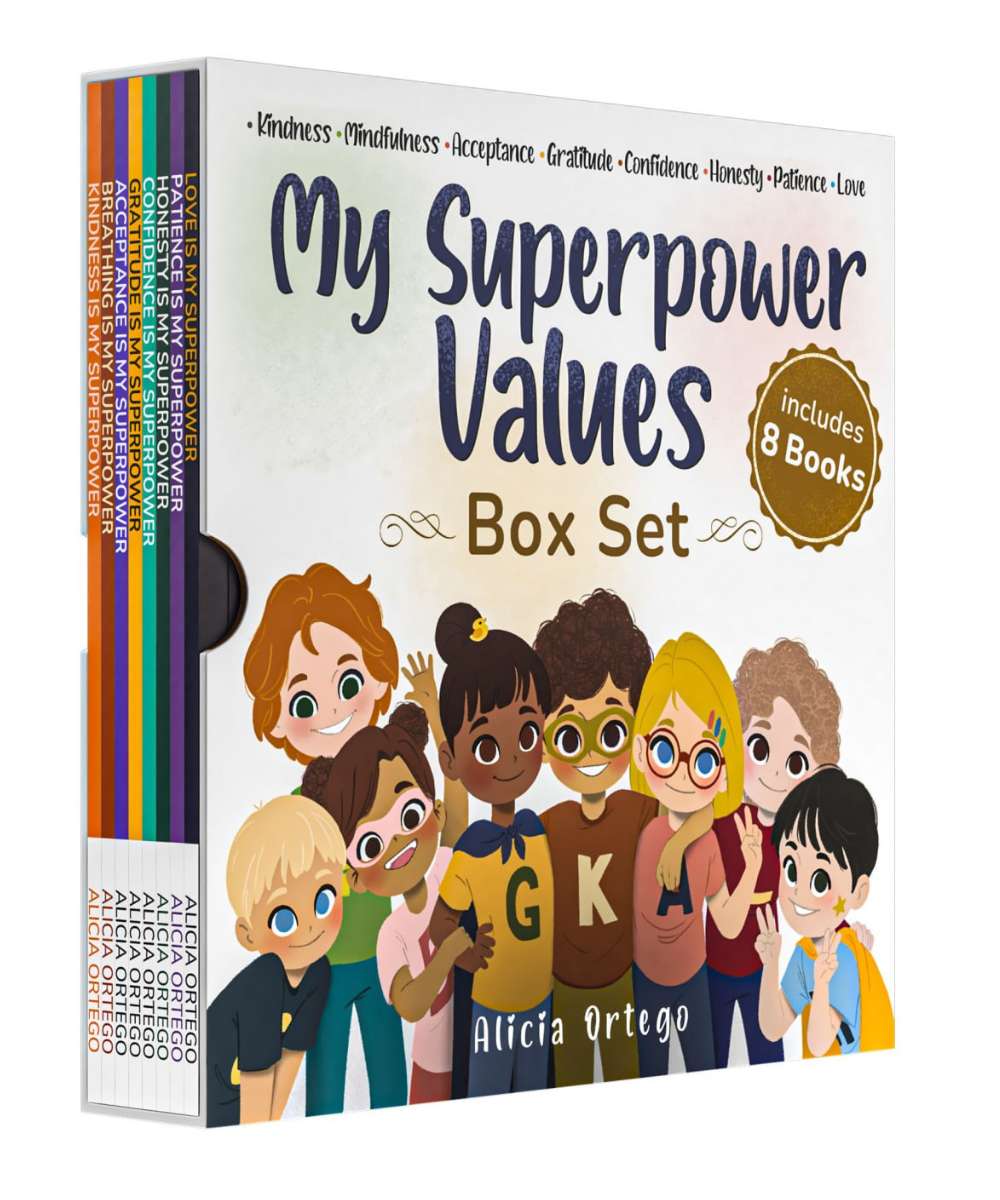
To further inspire your child’s reading journey, consider adding books that combine fun stories with valuable life lessons. Kindness is My Superpower and Listening is My Superpower are perfect for teaching empathy and attentive listening, or you can introduce them to the full My Superpower Box Set, which includes eight stories about gratitude, kindness, honesty, and more.
How to Use a Reading Journal for Kids
Using a reading journal for kids can be a fun and educational experience. Here’s how you can get started:
- Choose the Right Journal – Depending on your child’s age, you can select a reading journal for kids that’s either simple (for younger kids) or more detailed (for older children).
- Set Reading Goals – Encourage your child to set realistic reading goals, such as the number of books to read in a month or a specific genre to explore.
- Reflect and Review – After finishing a book, ask your child to write a short reflection or review. This practice not only improves their writing skills but also helps them better understand the material.
- Celebrate Milestones – Use the journal to celebrate reading milestones, like completing a certain number of books. This recognition can motivate them to continue reading.
A reading log for kids is a simple yet powerful tool to encourage regular reading and help children track their progress. Whether you’re looking for a preschool reading log for your little one or a more detailed reading journal for kids, there’s something out there for every child. Don’t forget to check out the free printable reading log from I Can Enjoy Reading, a wonderful addition to your child’s reading journey. Happy reading!
More articles
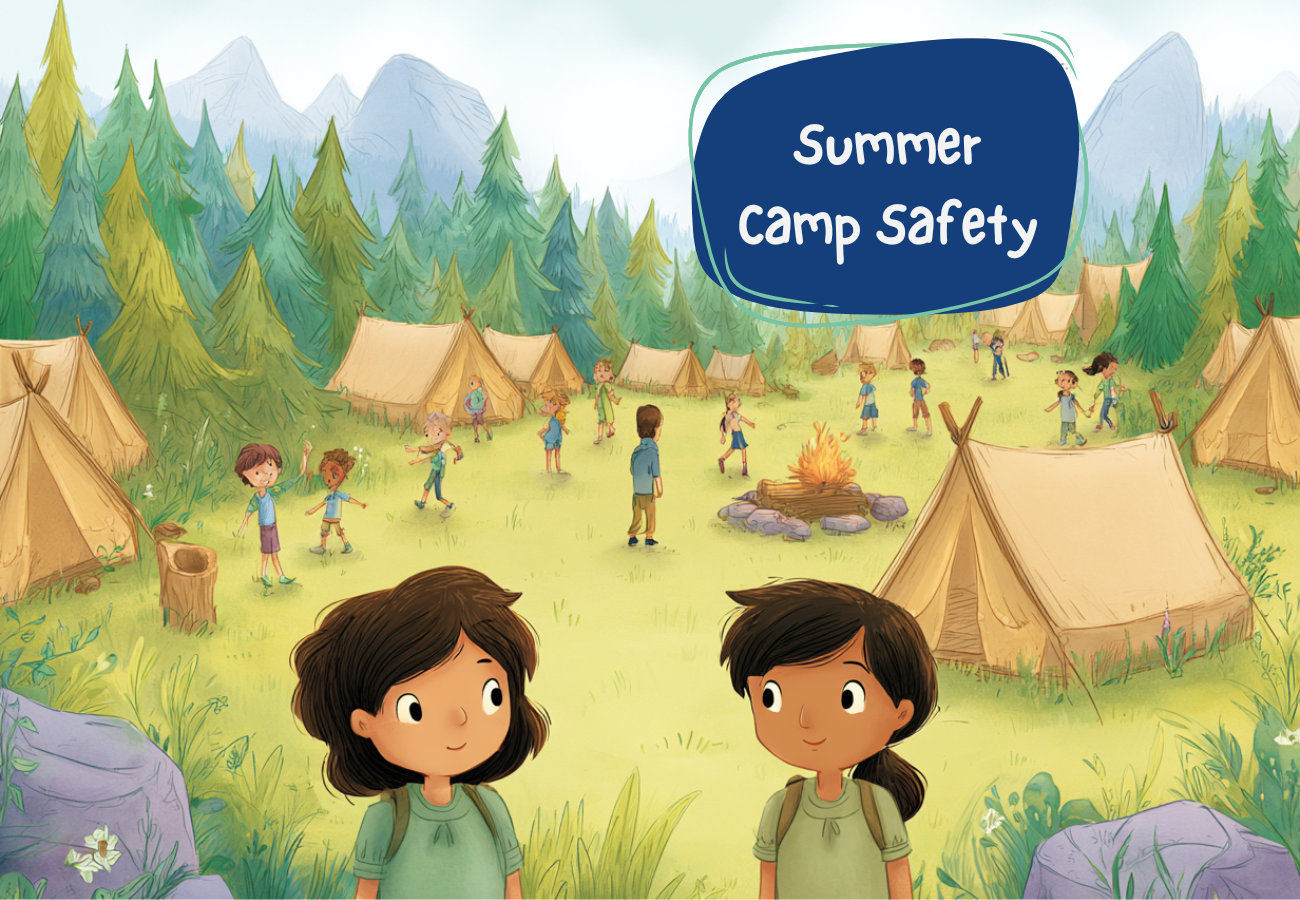
Summer Camp Safety: How to Know If Your Child Will Be Protected
Most child harm happens at the hands of someone the child already knows and trusts, and a significant share of sexual abuse involving minors happens between young people themselves. Those facts can make any parent think twice about camp safety. On top of that, not every camp meets the standards families might expect, and some […]
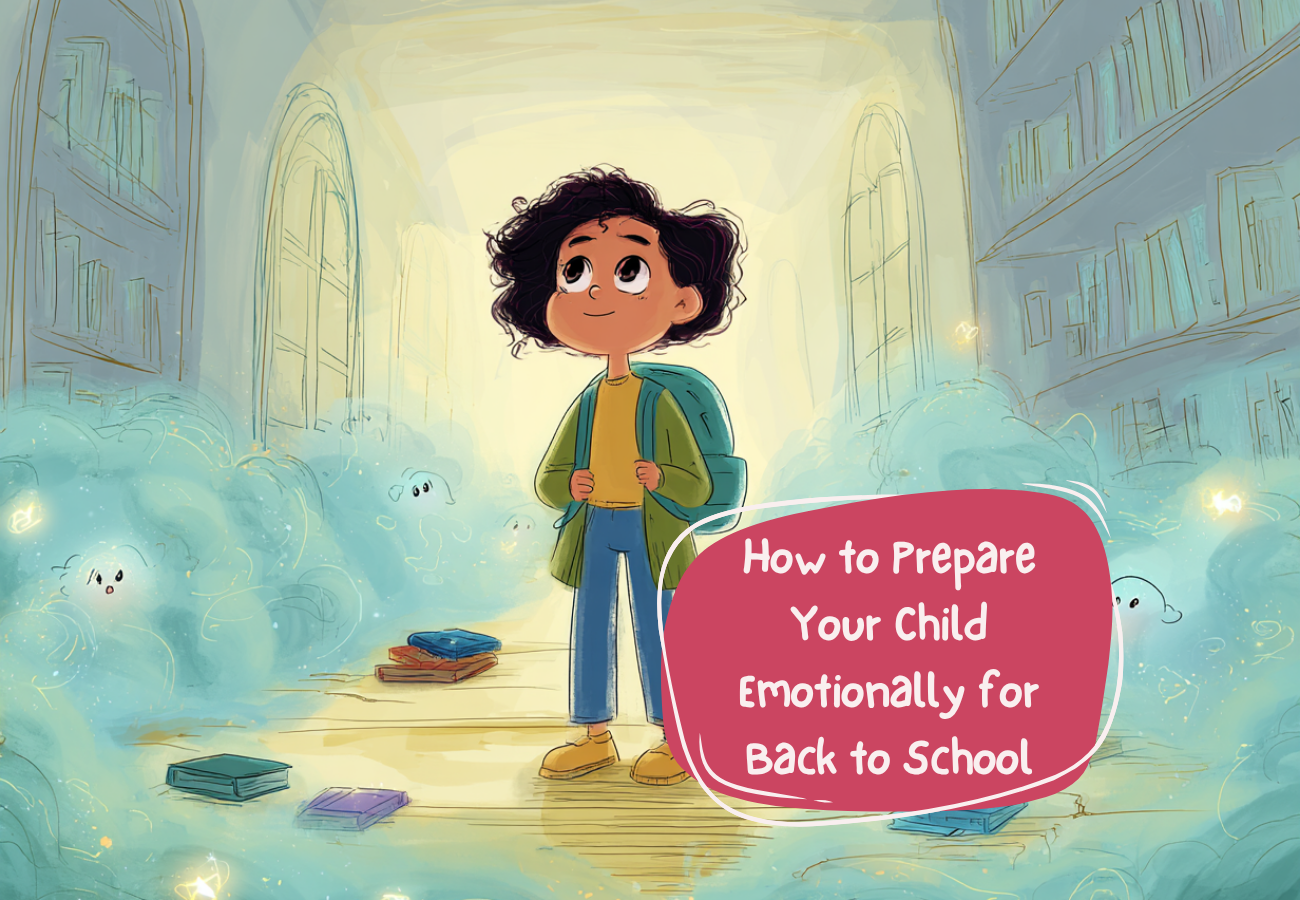
How to Prepare Your Child Emotionally for Back to School (+ Best Back to School Books for Kids)
Back to school is often painted as an exciting milestone—new backpacks, fresh notebooks, new friends. But for many children (and parents), it also brings something less talked about: uncertainty, worry, and emotional overwhelm. If your child suddenly becomes more clingy, quiet, or irritable as the school year approaches—you’re not alone. Back to school anxiety in […]
From Storytime to Social Skills: How Everyday Home Life Builds Emotional Intelligence in Children
Emotional intelligence—the ability to recognize, understand, and manage emotions—is one of the most important skills a child can develop. While schools and structured activities play a role, the foundation of emotional intelligence is built much closer to home. Everyday interactions, routines, and seemingly small moments within family life shape how children perceive themselves and others. […]