Why Gratitude Games Matter for Kids
Do your kids get excited about birthday gifts, ice cream, or new toys? That spark of joy is a great starting point to teach them something deeper – gratitude. While young children may not yet understand the full value of parental care or kindness from others, we can guide them to appreciate everyday moments.
Gratitude isn’t just about being polite. It’s a mindset that helps kids become more joyful, empathetic, and resilient. And the best part? It can be learned through simple, fun games that spark real conversations.
Let’s dive into 7 playful ways to help your children grow into thankful, kind-hearted humans.
1. DIY Thank You Cards
A classic way to start small. Ask your kids to create personalized thank you cards. Let them decorate with stickers, crayons, or glitter – whatever sparks their creativity. The more they think about who they want to thank, the more they connect with the feeling of gratitude.

Examples of messages:
-
Thank you for helping me with my homework.
-
Thanks for reading bedtime stories.
-
Thank you for cheering me up.
This activity is especially great for preschoolers.
2. The Gratitude Wall
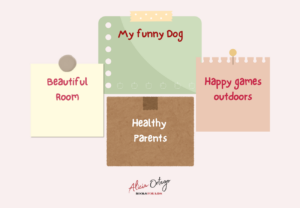
Create a “Gratitude Wall” at home. Hang a small cork board or use a section of the fridge. Invite your child to write or draw three things they’re thankful for on sticky notes twice a week.
Stick them up and read them together. Over time, the wall becomes a beautiful visual reminder of the many good things in life.
3. Thankful TV Reporter
Perfect for older kids or groups, this playful role-play game turns everyone into stars! One child becomes the reporter, another the cameraperson, and the rest are interviewees.
Ask each child questions like:
-
Who are you thankful for and why?
-
What’s a moment that made you smile recently?
-
What book or song are you grateful for?
Record the interviews on your phone and play them back. It’s guaranteed to get some laughs – and thoughtful answers.
4. Thankful Thursdays: Guess Who?
This group game works at home or in classrooms. Ask everyone to write one thing they’re thankful for on a slip of paper (no names). Mix them up, then read each one aloud. Everyone guesses who wrote what.
This encourages kids to listen and reflect on others’ experiences, while also celebrating gratitude.
5. Gratitude Basket Questions
Grab a jar or basket and fill it with folded slips of paper containing gratitude-related questions. Let kids take turns picking and answering them.
Sample questions:
-
What’s something kind someone did for you this week?
-
Name a talent you’re grateful to have.
-
What are three reasons you’re thankful for your teacher?
-
Describe something simple that made you smile today.
This game opens up deeper conversations and builds emotional intelligence.
6. Thank You Chain
Start a paper chain where each link represents something a child is thankful for. Add a new link every day or week. Over time, the chain grows – and so does their gratitude mindset.
It’s a visual celebration of daily blessings!
7. Kindness Bingo
Design a bingo board with gratitude or kindness prompts in each square. Examples:
-
Say thank you to someone today.
-
Share your favorite toy.
-
Help a friend or sibling.
Whenever a child completes a task, they mark it off. A fun reward awaits when they get Bingo!
Bring Gratitude to Life with Books
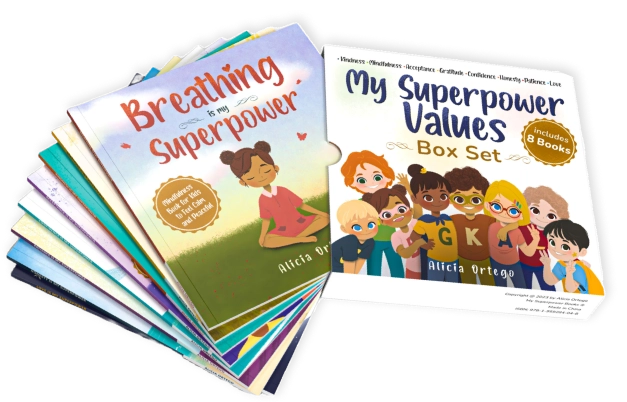
Want to reinforce these lessons in a cozy, story-filled way? Explore My Superpower Books – including titles like Gratitude is My Superpower and Kindness is My Superpower. These beautifully illustrated stories are perfect for starting conversations about thankfulness.
Final Thoughts
Teaching kids to be thankful doesn’t require lectures—it just takes small, consistent moments of reflection and fun. These games are easy to adapt and can be enjoyed by the whole family or classroom.
So pick one, try it today, and watch the joy of gratitude grow!
👉 Loved these ideas? Check out more fun activities to raise kind-hearted kids.
More articles
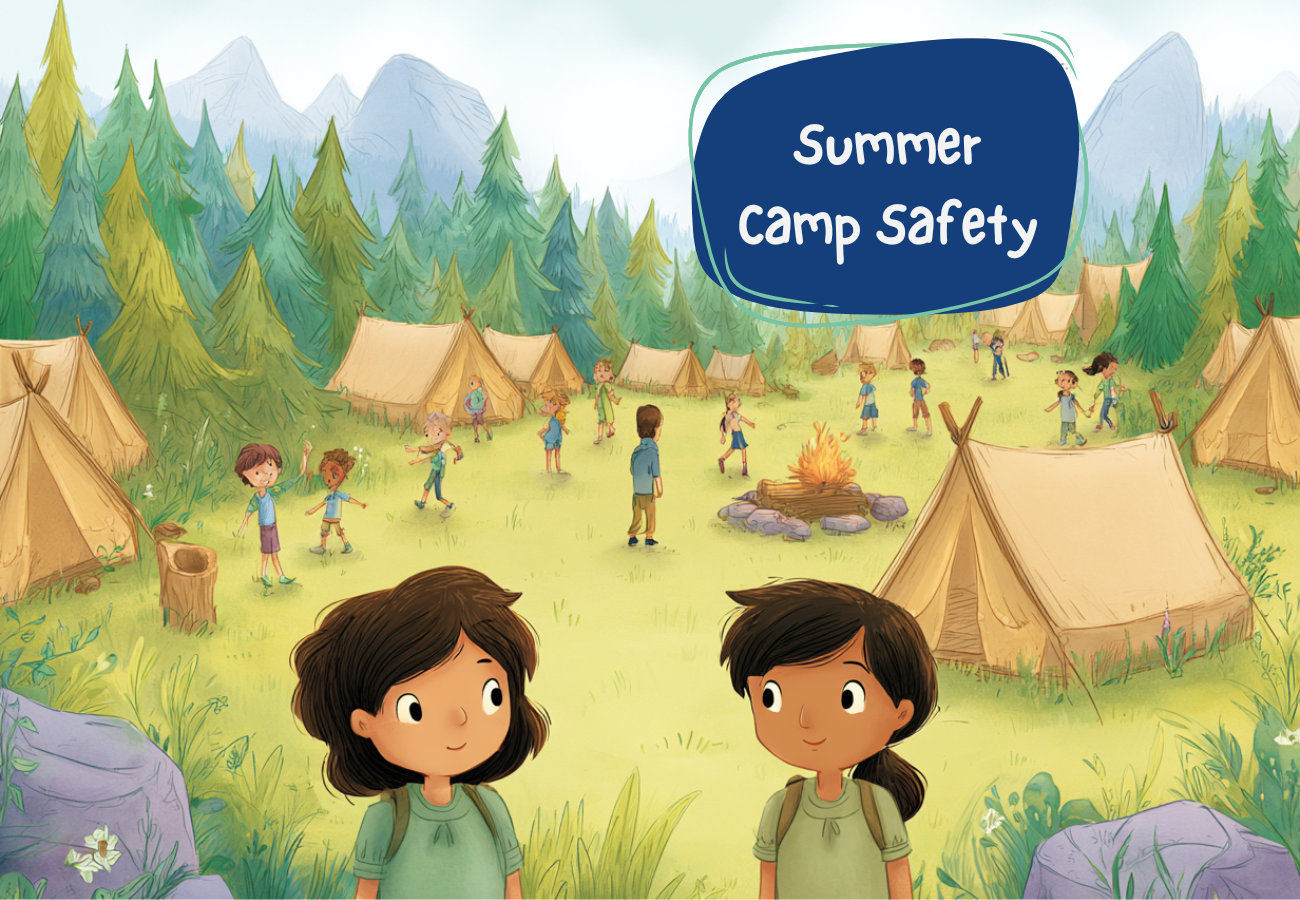
Summer Camp Safety: How to Know If Your Child Will Be Protected
Most child harm happens at the hands of someone the child already knows and trusts, and a significant share of sexual abuse involving minors happens between young people themselves. Those facts can make any parent think twice about camp safety. On top of that, not every camp meets the standards families might expect, and some […]
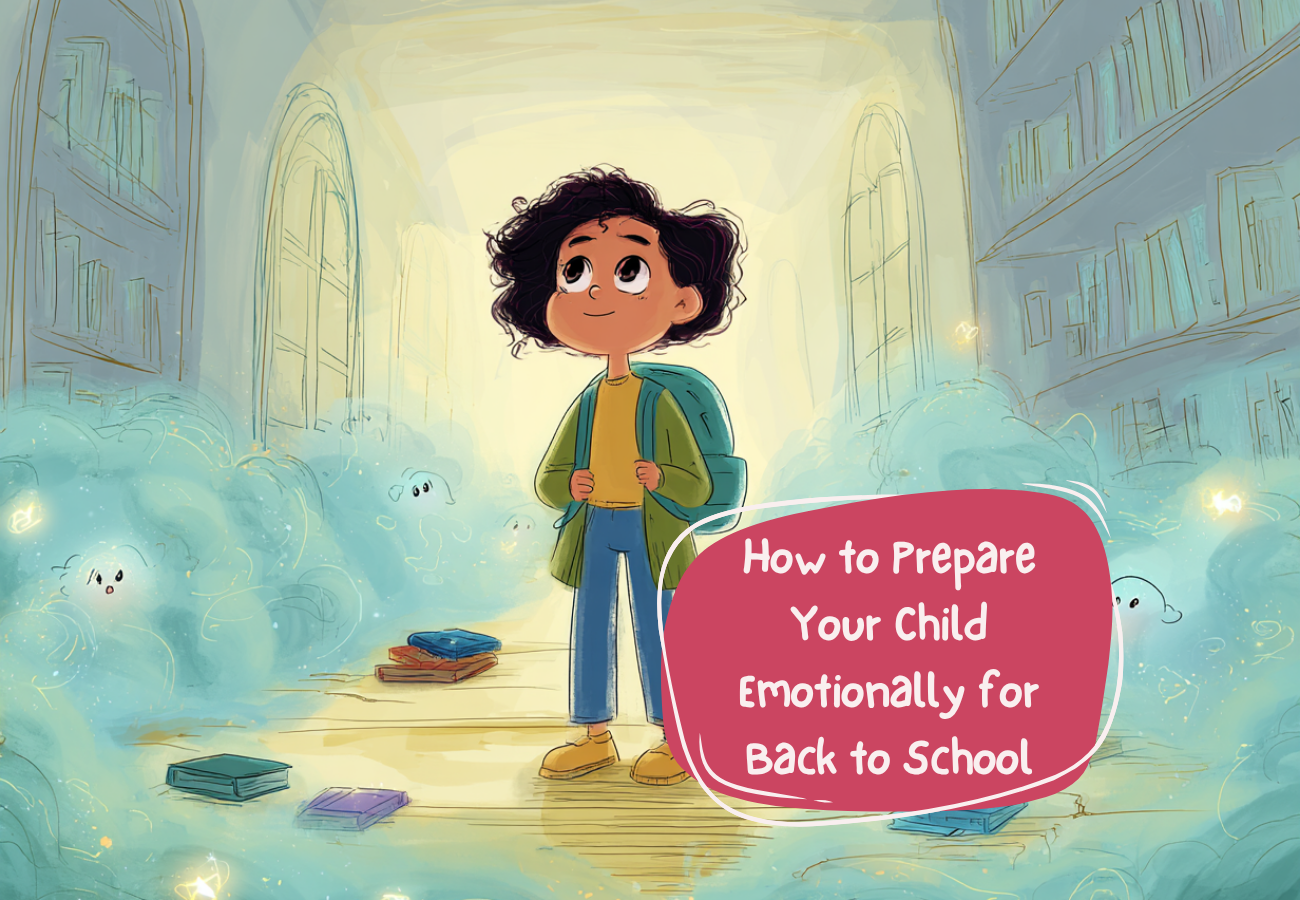

How to Prepare Your Child Emotionally for Back to School (+ Best Back to School Books for Kids)
Back to school is often painted as an exciting milestone—new backpacks, fresh notebooks, new friends. But for many children (and parents), it also brings something less talked about: uncertainty, worry, and emotional overwhelm. If your child suddenly becomes more clingy, quiet, or irritable as the school year approaches—you’re not alone. Back to school anxiety in […]
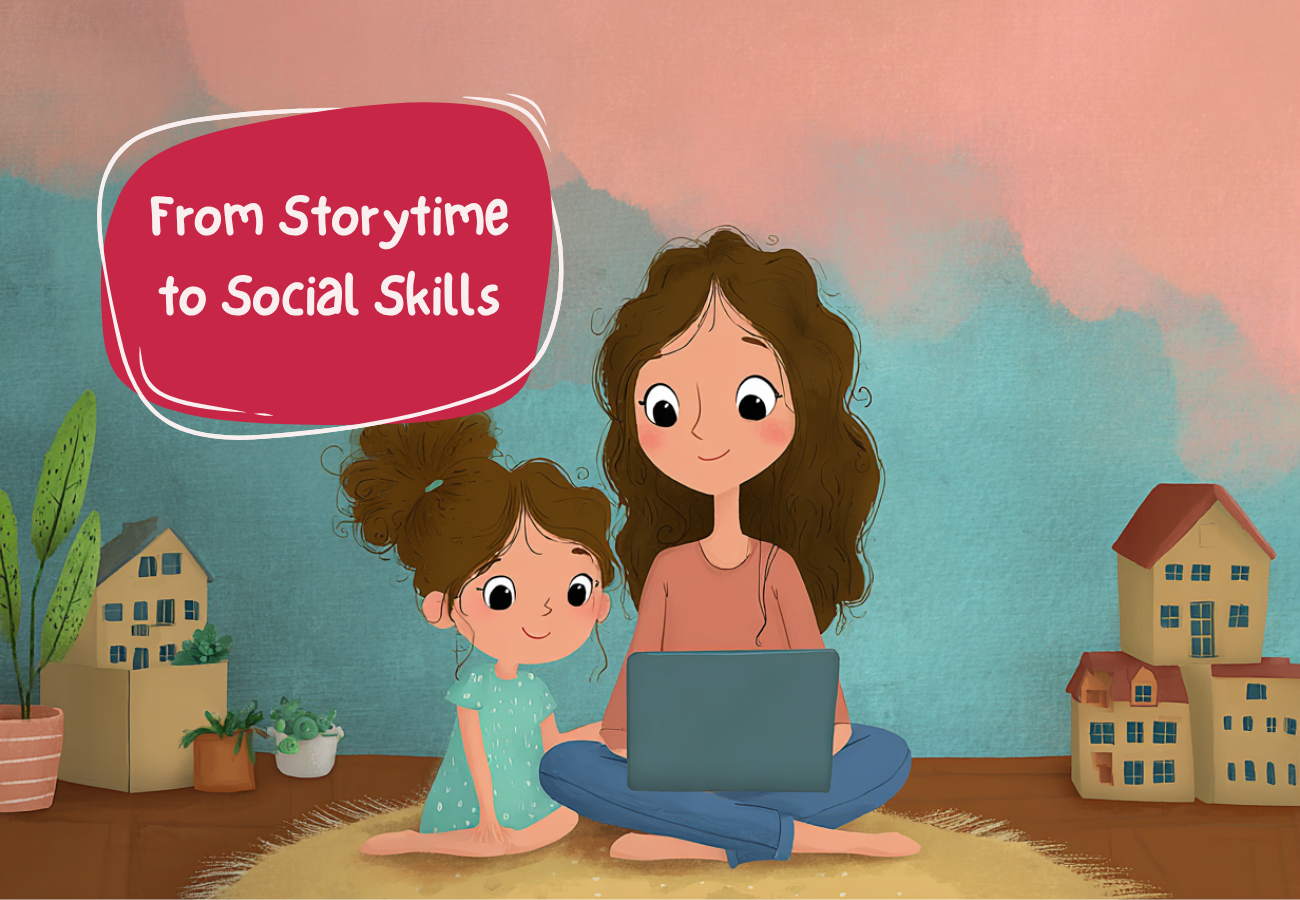
From Storytime to Social Skills: How Everyday Home Life Builds Emotional Intelligence in Children
Emotional intelligence—the ability to recognize, understand, and manage emotions—is one of the most important skills a child can develop. While schools and structured activities play a role, the foundation of emotional intelligence is built much closer to home. Everyday interactions, routines, and seemingly small moments within family life shape how children perceive themselves and others. […]