Ultimate Guide to Building an Elementary Classroom Library: Ideas & Tips

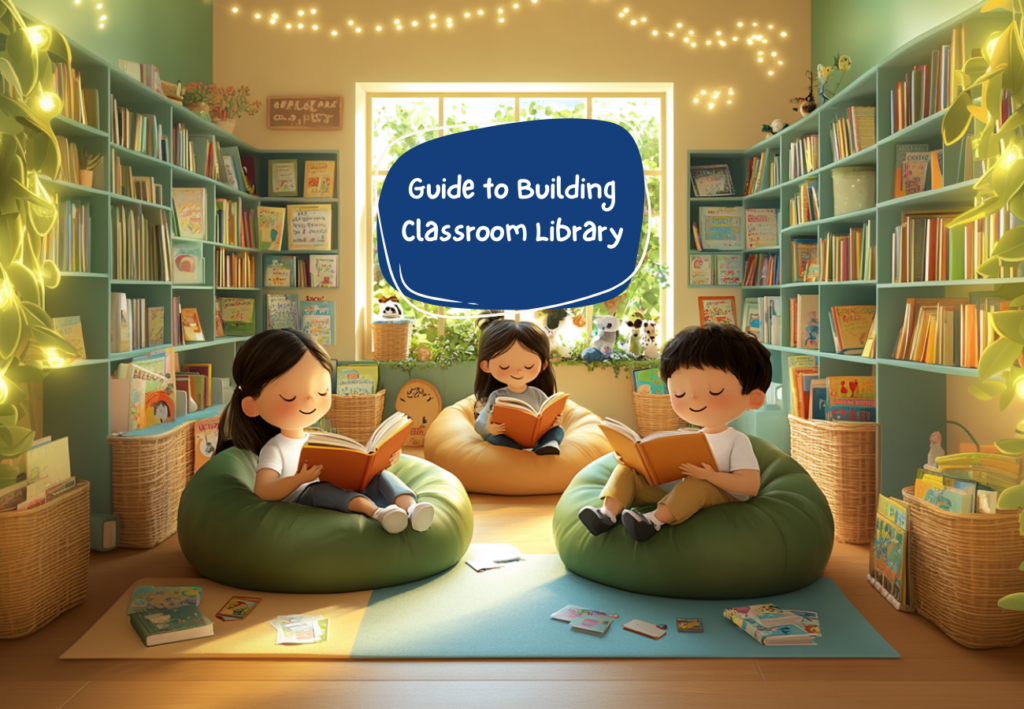
Did you know that children with access to classroom libraries are 60% more likely to develop strong reading skills? A well-organized, inviting library isn’t just a corner in your classroom—it’s a gateway to imagination, discovery, and lifelong learning. Whether you’re a seasoned teacher or setting up your first classroom, this guide is packed with practical tips and creative ideas to help you design the ultimate elementary classroom library.
Why Every Classroom Needs a Library
A classroom library is more than a storage space for books—it’s a nurturing environment where students can explore their interests, build literacy skills, and develop a love for reading. Research consistently shows that students with access to books in an engaging setting demonstrate improved reading proficiency and overall academic growth.
Imagine the joy on a student’s face as they discover their first favorite book or find answers to their burning questions about space, animals, or history. A classroom library makes those moments possible.
Designing Your Dream Classroom Library
Creating an elementary classroom library starts with thoughtful design. Here’s how to make it an inviting and functional space:
1. Find the Perfect Spot
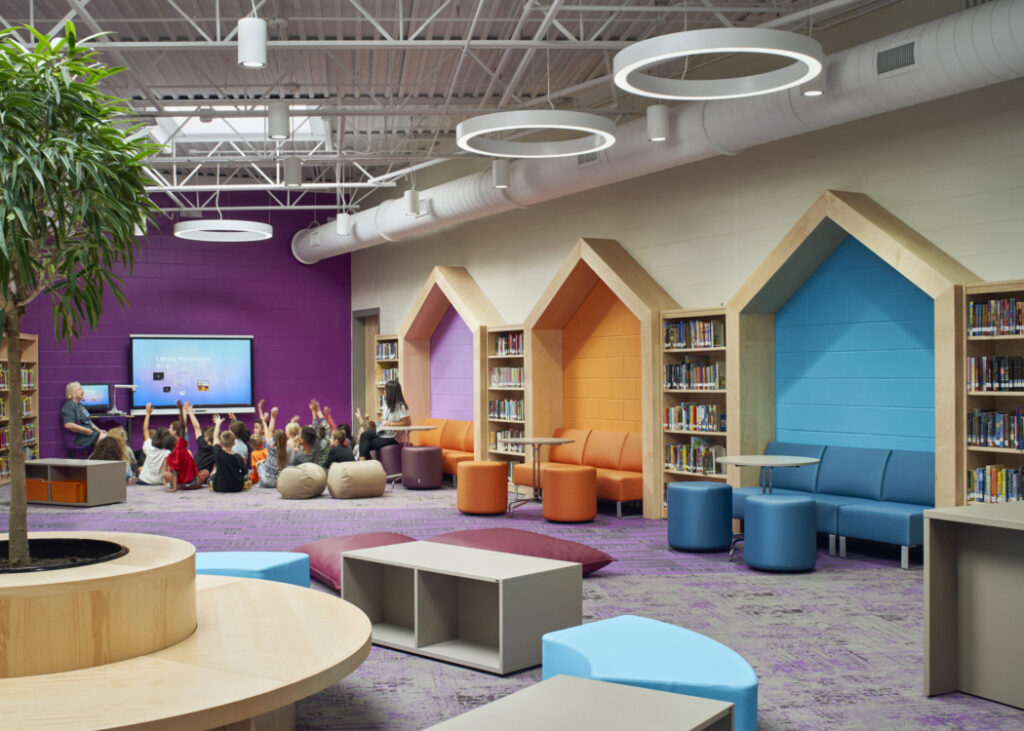
- Quiet & Cozy: Choose a low-traffic area, away from noise and distractions.
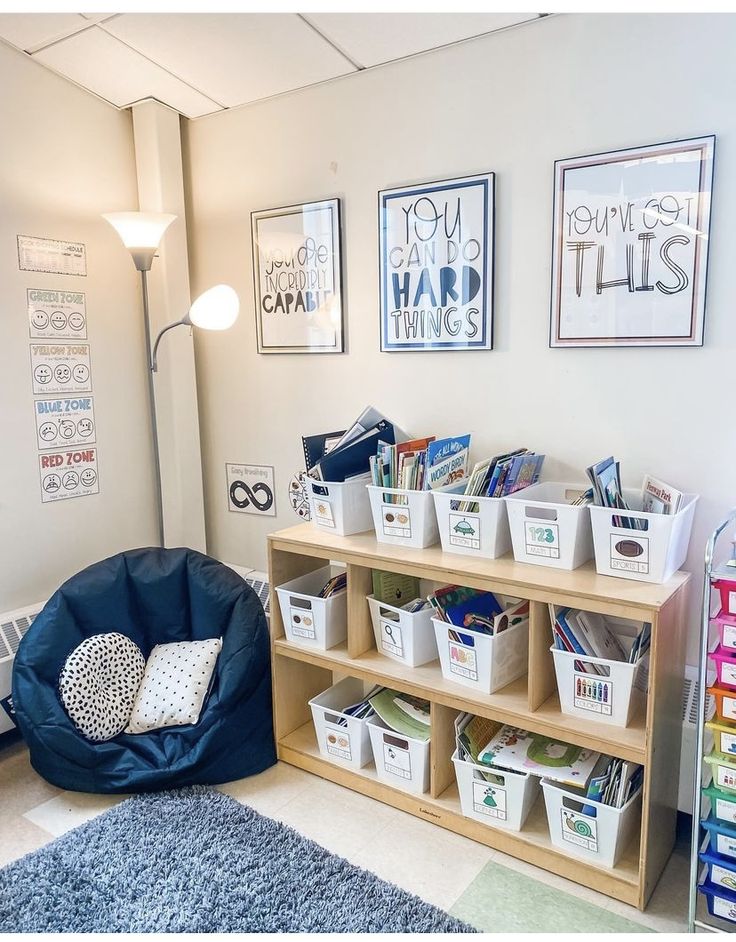
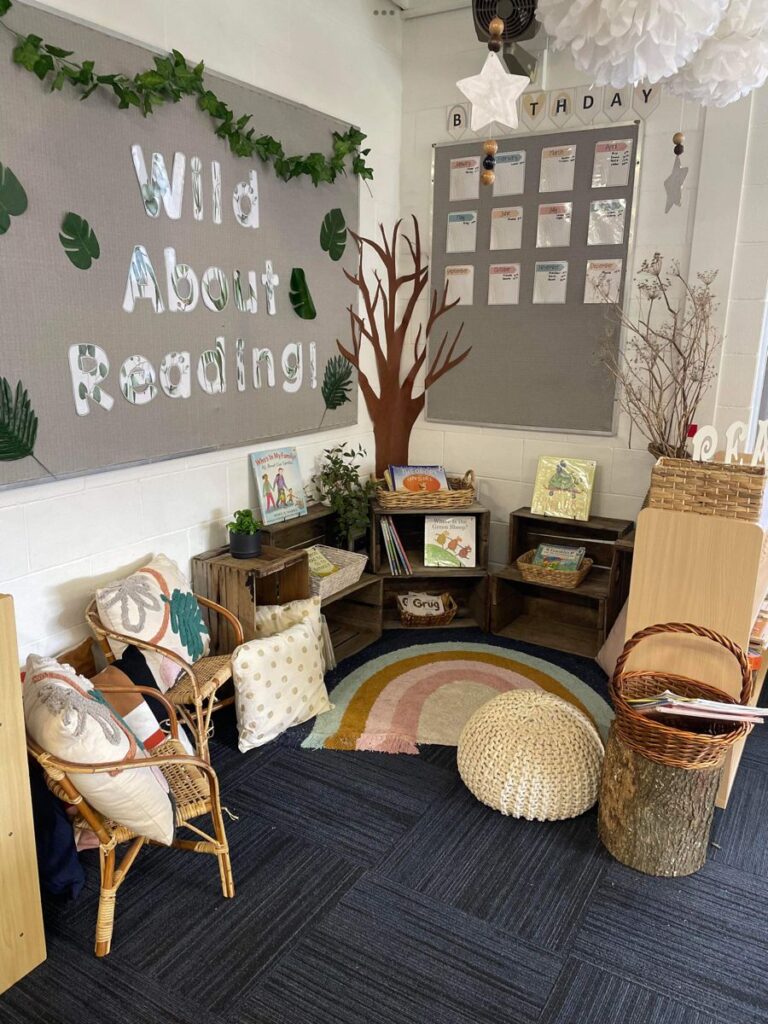
- Comfortable Seating: Add bean bags, floor cushions, or mini chairs for a welcoming touch.
2. Use Shelves That Work for Young Readers
- Opt for low, sturdy bookshelves so students can easily browse.
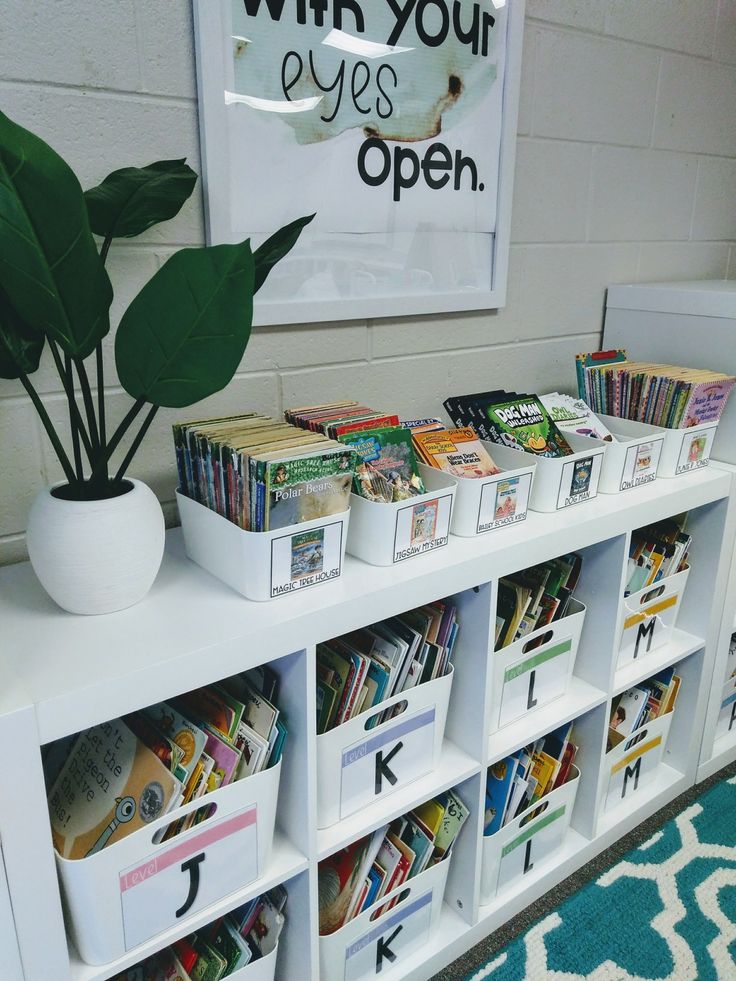
- Organize shelves by genre, topic, or reading level with colorful labels.
3. Add Bins and Containers for Easy Access
- Group books by themes like “Adventure,” “Animals,” or “Science” in labeled bins.
- Clear containers help students quickly spot their favorite titles.
4. Decorate with Purpose
- Use posters, inspiring quotes, and vibrant decorations to create a visually stimulating area.
- Showcase a rotating “Book of the Week” or seasonal reads to keep things fresh.
Curating the Perfect Book Collection
An engaging elementary classroom library includes books that cater to every student’s interests and reading level. Here’s what to include:
1. Classic and Modern Favorites
- Examples: Charlotte’s Web by E.B. White, The Day the Crayons Quit by Drew Daywalt.
2. Diverse and Inclusive Books
- Select stories that represent various cultures, abilities, and perspectives. Examples: Last Stop on Market Street by Matt de la Peña, Hair Love by Matthew A. Cherry.
3. Nonfiction to Spark Curiosity
- Topics like animals, space, history, and nature are classroom favorites. Look for colorful, fact-filled books like National Geographic Kids.
4. Easy Readers and Chapter Books
- Include a range from simple picture books to early chapter books such as Magic Tree House.
5. Special Categories
- Graphic Novels: Popular series like Dog Man by Dav Pilkey are student magnets.
- Seasonal Themes: Rotate books for holidays or seasons, like winter-themed stories during December.
6. Affordable Finds
- Stretch your budget by shopping at Half Price Books, thrift stores, or online marketplaces.
Organizing Your Library for Success
Keeping your classroom library tidy and functional ensures students always have access to great books.
- Teach Responsibility: Assign students roles to help organize and return books.
- Rotate Regularly: Periodically refresh the selection to maintain excitement.
- Track Inventory: Use simple tools like library apps or a checkout sheet to monitor book borrowing.
Fostering a Love of Reading
The right space and books are only part of the equation—cultivating a reading culture is just as important.
- Host Book Talks: Let students share their favorite books during class.
- Schedule Reading Time: Dedicate 15–20 minutes daily for independent reading.
- Celebrate Achievements: Create reading charts or offer small rewards for milestones reached.
Ready to Build Your Classroom Library?
Building an elementary classroom library is more than a task—it’s an opportunity to transform your students’ educational journeys. By curating a diverse collection, designing a cozy reading nook, and encouraging a love of books, you’ll inspire young readers to dream big.
Need more ideas?
- 📥 Download our free book list for must-have classroom titles.
- 📸 See our gallery of inspiring libraries to spark your creativity.
Start creating a library that will make your classroom the highlight of your students’ day!
More articles
Summer Camp Safety: How to Know If Your Child Will Be Protected
Most child harm happens at the hands of someone the child already knows and trusts, and a significant share of sexual abuse involving minors happens between young people themselves. Those facts can make any parent think twice about camp safety. On top of that, not every camp meets the standards families might expect, and some […]
How to Prepare Your Child Emotionally for Back to School (+ Best Back to School Books for Kids)
Back to school is often painted as an exciting milestone—new backpacks, fresh notebooks, new friends. But for many children (and parents), it also brings something less talked about: uncertainty, worry, and emotional overwhelm. If your child suddenly becomes more clingy, quiet, or irritable as the school year approaches—you’re not alone. Back to school anxiety in […]
From Storytime to Social Skills: How Everyday Home Life Builds Emotional Intelligence in Children
Emotional intelligence—the ability to recognize, understand, and manage emotions—is one of the most important skills a child can develop. While schools and structured activities play a role, the foundation of emotional intelligence is built much closer to home. Everyday interactions, routines, and seemingly small moments within family life shape how children perceive themselves and others. […]