
Reading is a gateway to imagination and knowledge, but keeping kids engaged with books can sometimes be challenging. If you’re wondering how to make reading enjoyable for kids, you’re in the right place! Here are 15 creative and fun reading tips for children to encourage a lifelong love of books.
1. Create a Cozy Reading Nook
Transform a cozy corner into a special reading space with soft cushions, blankets, and bookshelves. A designated spot makes reading feel like a fun escape rather than a chore, encouraging kids to pick up a book more often.
2. Let Kids Choose Their Books
Giving children the freedom to select their books fosters a sense of independence and excitement. Whether it’s comics, picture books, or adventure stories, letting them explore their interests makes reading feel like a choice rather than a task.
3. Turn Storytime into a Family Tradition
Reading together as a family strengthens bonds and makes reading a shared experience. Designate time for bedtime stories or weekend reading sessions. When reading becomes a fun family tradition, children naturally associate books with comfort and joy.
4. Use Technology to Make Reading More Engaging
E-books, audiobooks, and interactive apps make reading more dynamic. Try platforms like Epic!, Reading Eggs, and Storyline Online to provide a variety of engaging stories in digital formats.
5. Act Out Stories
Bring stories to life by turning books into mini-plays. Use funny voices, props, or even costumes to make the story more engaging. Acting out stories helps with comprehension and makes reading an immersive and enjoyable experience.
6. Incorporate Reading into Daily Life
Reading isn’t just about books! Have kids read recipes, grocery lists, or signs during everyday activities. It helps them see how reading is a practical and useful skill.
7. Listen to Audiobooks
Audiobooks help kids develop listening skills and build vocabulary. Pair them with physical books to reinforce learning and make reading feel effortless.
8. Make Reading a Game
Turn reading into an adventure with scavenger hunts, reading bingo, or word search challenges. Websites like BookTrust offer fun reading activities that turn reading into play.
9. Visit Libraries and Bookstores
A trip to the library or bookstore can spark excitement for new stories. Let kids sign up for a library card and explore different genres — it makes them feel more connected to their reading journey.
10. Encourage Kids to Write Their Own Stories
Have kids create their own stories, comics, or journals. Writing enhances literacy skills and sparks creativity, helping kids feel more connected to books.
11. Connect Books to Real-Life Experiences
If a book mentions a zoo, take a trip to see the animals. Making connections between books and real life deepens understanding and makes reading more meaningful.
12. Host a Book Swap
Organize book swaps with friends or classmates to introduce fresh stories and encourage kids to explore different genres.
13. Set a Fun Reading Challenge
Create a simple reading challenge with small rewards for completing books or exploring new genres. This makes reading feel exciting and rewarding. Read more in our article “Fun and Creative Reading Challenges for Kids: 15 Ideas to Inspire Young Readers”.
14. Be a Reading Role Model
Let your child see you reading regularly. Kids mimic what they see, so showing your love for books inspires them to do the same.
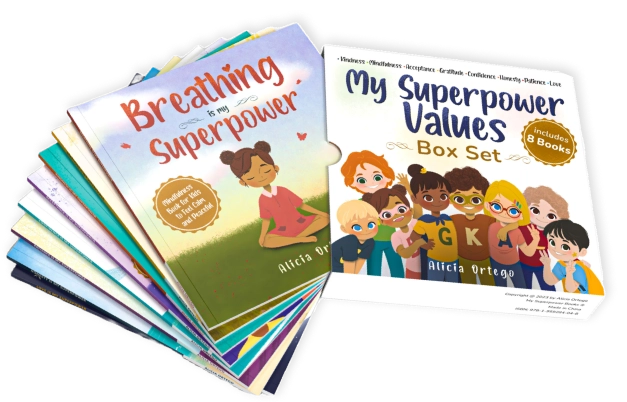
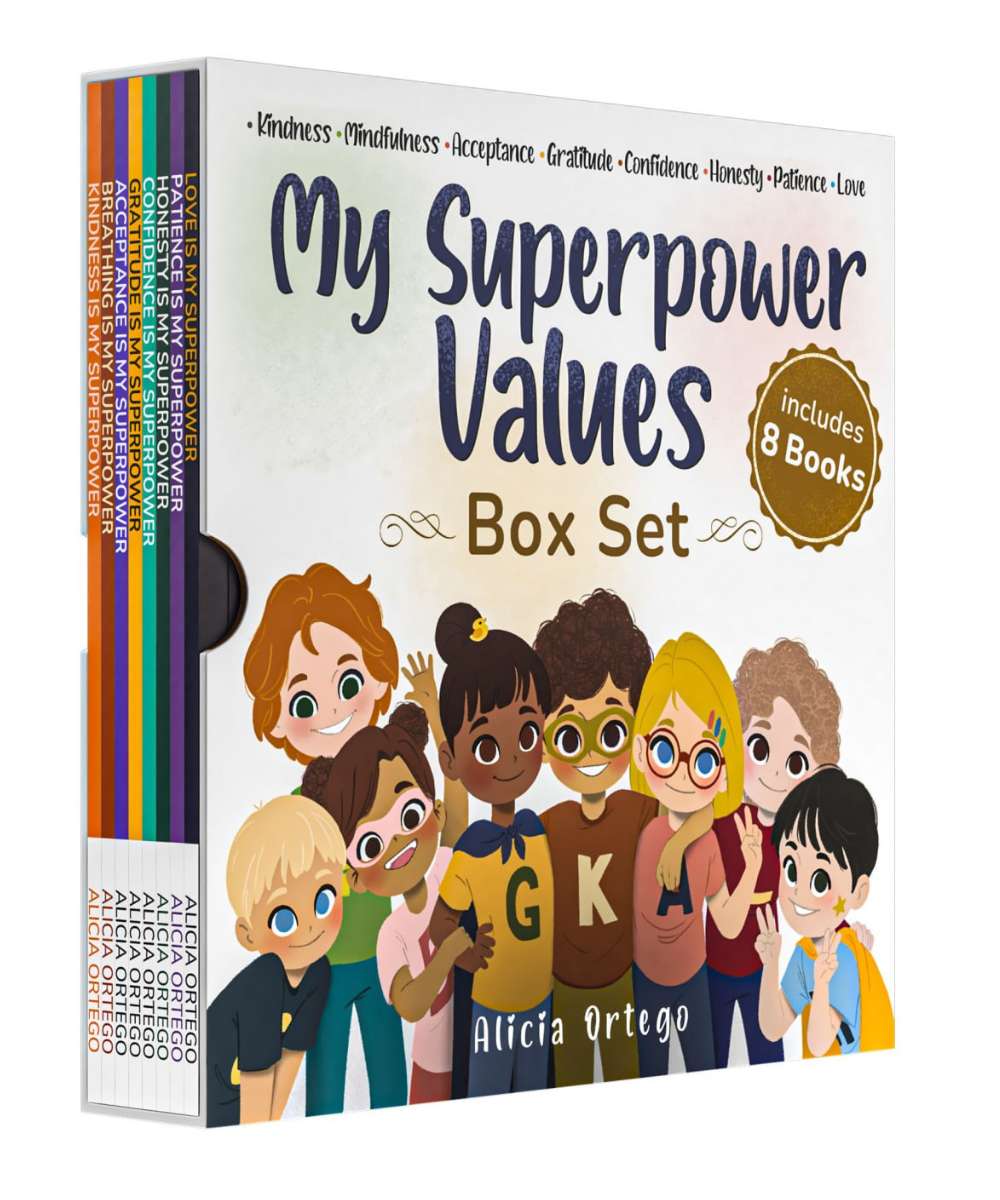
15. Explore My Superpower Books
Looking for books that teach values like kindness and perseverance? The My Superpower Books series makes reading fun and meaningful by inspiring kids with stories of resilience, empathy, and confidence.
By incorporating these strategies, you can help transform reading into an enjoyable habit for kids. Try these ideas today and share which one worked best for your child in the comments!
More articles
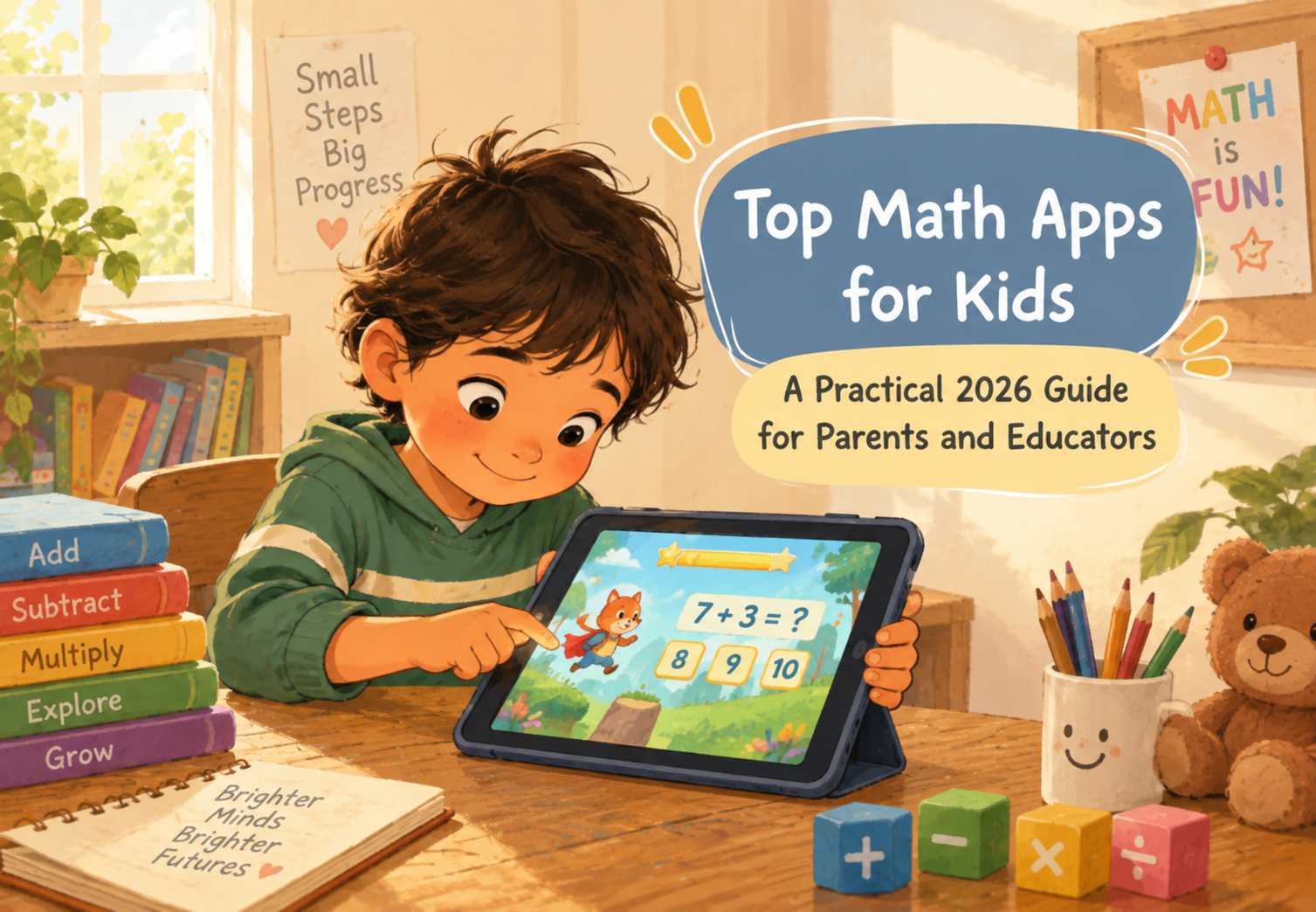

Top Math Apps for Kids: A Practical 2026 Guide for Parents and Educators
Finding a good math app for your child sounds simple until you actually start looking. Some apps are little more than worksheets dressed up with cartoons and rewards. Others are entertaining games where the educational part feels like an afterthought. The best math apps for kids sit somewhere in the middle: children genuinely want to […]
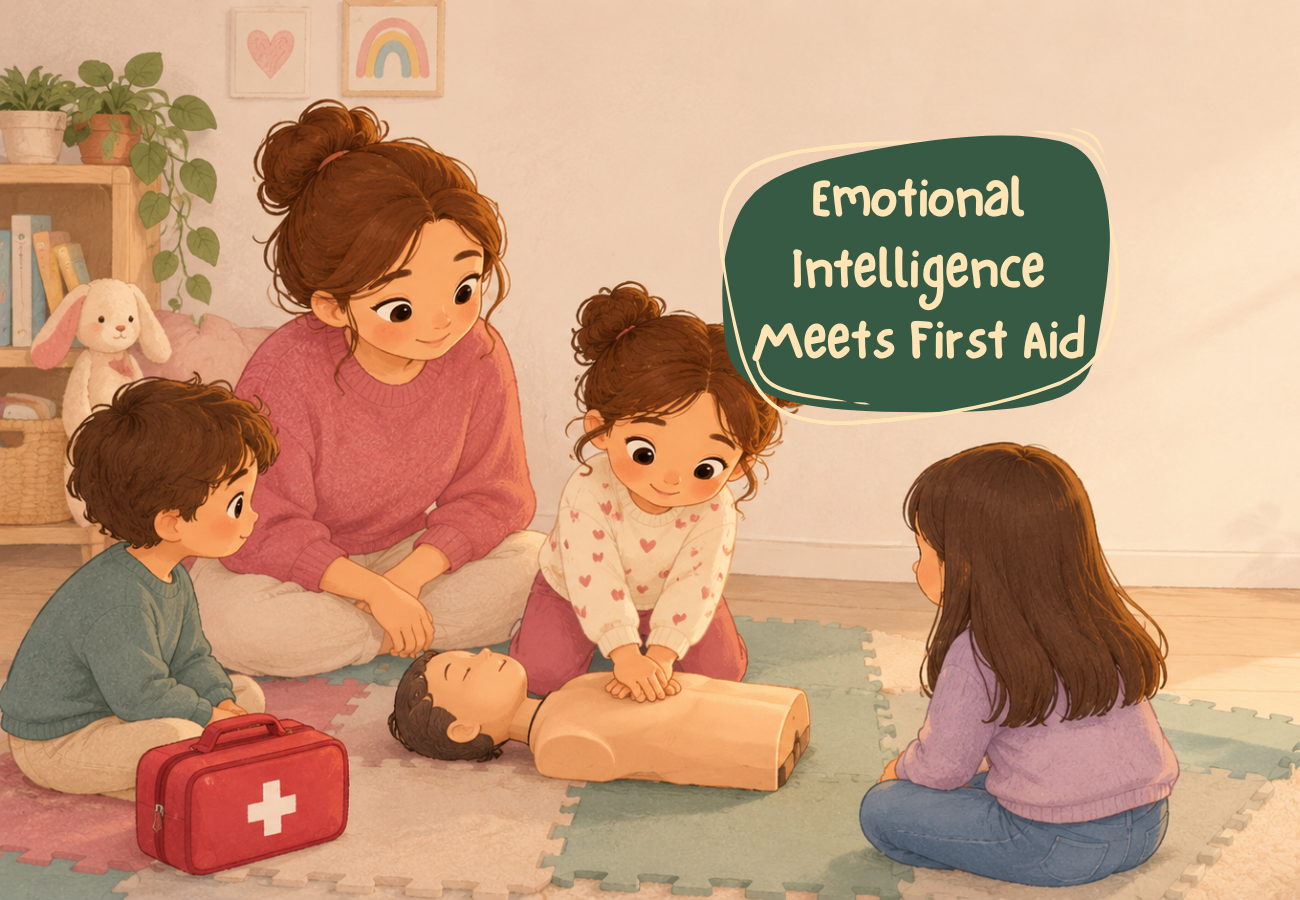
The Calm, Prepared Parent: Why CPR Training Belongs Beside Emotional Intelligence Lessons
My daughter once told me her feelings were “too big for her body.” She was four, fresh off a picture book that teaches kids to name what they feel instead of melting down. It’s a lovely lesson for parents, teachers, and daycare providers to pass along. But here’s the question that stopped me cold: if […]
Creating a healthier rhythm between screens, play, and rest
It is five o’clock, homework is finished, and your child asks for the tablet. The device has already been used for school, but a favorite game or video may also be how your child relaxes at the end of a long day. Moments like this can make screen decisions feel more complicated than they need […]