Summer Camp Safety: How to Know If Your Child Will Be Protected

Most child harm happens at the hands of someone the child already knows and trusts, and a significant share of sexual abuse involving minors happens between young people themselves. Those facts can make any parent think twice about camp safety. On top of that, not every camp meets the standards families might expect, and some are not accredited through the full health and safety process. Still, risk can be reduced when parents know what to check before enrolling a child. Whether you are asking if summer camp is safe in general or looking into a specific program, it helps to understand the basic protections a camp should have in place. This piece explains the safety measures that matter most, the questions parents should ask, and the warning signs that may suggest a camp is not taking child protection seriously.
What Makes Summer Camp Safe for Kids
Several concrete safety measures distinguish well-run camps from risky ones. Staff training is the foundation. ACA-accredited camps require staff to complete 16-24 hours of training on child development, behavior management, emergency plans, abuse prevention, and activity-specific safety protocols before campers arrive. This preparation gives counselors the ability to handle situations ranging from homesickness to medical emergencies.
Background screening comes next. Camps verify the national sex offender registry, state criminal history records, and check staff references. Some states mandate Level 2 DCF screening for all summer camp personnel, while others have gaps in their requirements.
Supervision ratios matter substantially. For overnight camps, ACA standards recommend one staff member for every six children aged seven and under, and one for every eight children aged eight and older. Many camps maintain even lower ratios. The constant visual and verbal contact these ratios enable prevents accidents during unstructured times when most injuries occur.
Medical preparedness rounds out core safety elements. ACA-accredited camps maintain on-site health centers staffed by nurses or doctors available 24 hours. Waterfront directors hold current lifeguarding, CPR, and first aid certifications, with one lifeguard per ten swimmers. Emergency response plans specific to each activity get practiced through drills.
Questions to Ask Before Enrolling Your Child
Asking direct questions separates camps committed to safety from those simply checking boxes. Accreditation status comes first. ACA-accredited camps meet over 300 standards for health, safety and program quality. You can verify this status through the ACA website or by calling 1-800-428-CAMP. If a camp lacks accreditation, ask what alternative standards they follow.
Staff screening processes need examination beyond simple background checks. What interview methods do they use? How do they verify references? Do they check the sex offender registry? Ask about their abuse prevention training curriculum and how much time focuses on sexual abuse education. Find out if staff receive training in programs like Stewards of Children.
If a camp ignores obvious safeguards or fails to act on warning signs, the consequences may go beyond poor administration. In some cases, survivors and families may have grounds for civil action not only against an individual abuser but also against an institution that failed to provide reasonable protection. ConsumerShield helps people access straightforward information about civil sexual abuse claims and can connect survivors with an attorney who can evaluate whether a camp or other organization may be legally responsible.
Supervision policies require detailed answers. Ask whether counselors are ever alone with individual campers and under what circumstances. Camps should follow the rule of three, where situations with one counselor and one camper get reported right away. Get specifics about monitoring during shower times, bathrooms and nighttime.
Communication protocols matter for your peace of mind. How will the camp notify you about allegations or concerns? Can your child contact you if something makes them uncomfortable? What constitutes an emergency requiring parent notification versus routine updates?
Warning Signs That a Summer Camp May Not Be Safe
Certain red flags signal whether summer camp is safe for kids. Vague or uncomfortable responses when discussing safety policies should concern you. That’s a major warning sign if staff hesitate to answer or avoid giving specifics about their screening procedures. Transparency is a strong indicator of a well-run operation.
Many camps claim they conduct background checks, but the reality is troubling. They check state records most of the time. Someone with a criminal history in another state could slip through. 40% of background checks that found criminal records were from other states. A pilot program found that 6.1% of applicants had convictions that made them unfit to work with children. These included criminal sexual conduct, aggravated assault and rape.
Physical indicators matter during site visits. Broken equipment, unsecured pools and lack of security present immediate risks. Poor planning shows when activities feel chaotic or disorganized. Staff who appear tired, distracted or untrained raise concerns about knowing how to handle emergencies.
Management problems or poor working conditions often show up as high staff turnover rates. Camps that maintain stable staff who return yearly provide consistency and expertise. Therefore, ask about retention rates during your visit.
Conclusion
Summer camp can be safe if we know what to look for. The right questions about accreditation, staff screening, supervision policies and emergency protocols help identify camps that prioritize protection. The warning signs we’ve outlined will help you spot programs that fall short. Research really well and trust your instincts during site visits. Note that a camp’s transparency reveals its commitment to keeping your child safe.
More articles

50 Creative Reading Rewards Ideas That Motivate Kids to Love Books
Every parent and teacher of a reluctant reader has wondered the same thing: should I reward my child for reading? If rewards are done badly, they turn books into a chore you get paid for. However, when they are done well, they give kids the push they need until reading becomes its own reward. This […]
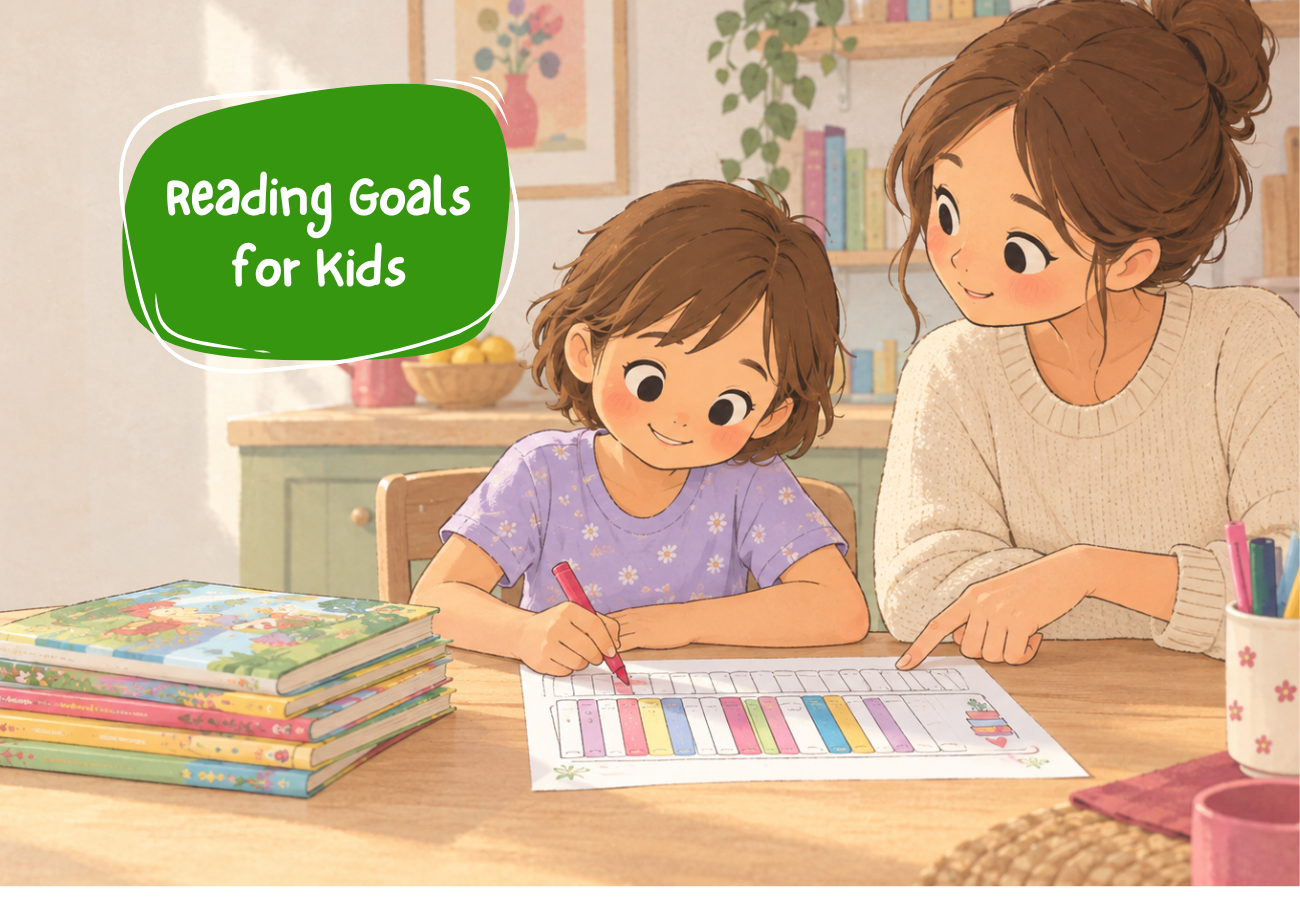
Reading Goals for Kids: 50 Fun Reading Challenges to Build Lifelong Readers
“Read more” is the most common reading advice a child hears, and the least useful. It has no starting point, no finish line and no moment where anyone gets to say “you did it.” A reading goal fixes that. It turns a vague wish into something a child can picture, count and celebrate. This guide […]
Top Math Apps for Kids: A Practical 2026 Guide for Parents and Educators
Finding a good math app for your child sounds simple until you actually start looking. Some apps are little more than worksheets dressed up with cartoons and rewards. Others are entertaining games where the educational part feels like an afterthought. The best math apps for kids sit somewhere in the middle: children genuinely want to […]