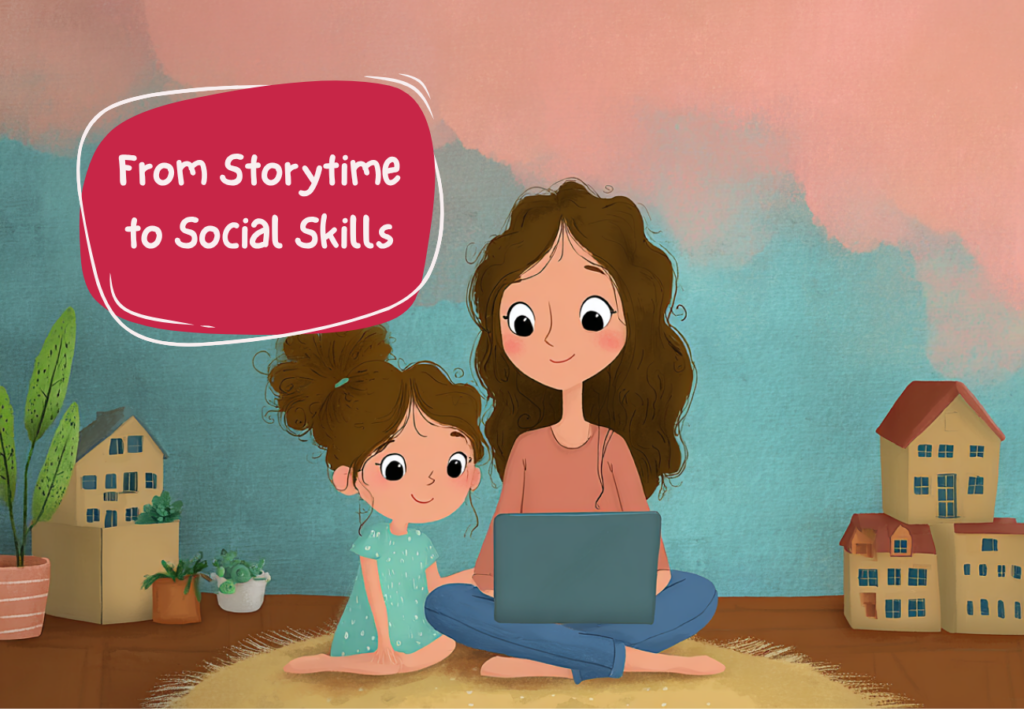
From Storytime to Social Skills: How Everyday Home Life Builds Emotional Intelligence in Children

Emotional intelligence—the ability to recognize, understand, and manage emotions—is one of the most important skills a child can develop. While schools and structured activities play a role, the foundation of emotional intelligence is built much closer to home. Everyday interactions, routines, and seemingly small moments within family life shape how children perceive themselves and others.
From bedtime stories to dinner table conversations, home life provides countless opportunities for children to learn empathy, resilience, and communication. These experiences, when approached intentionally, can have a lasting impact on a child’s emotional growth.
The Power Of Storytime In Emotional Development
Storytime is more than a calming bedtime ritual—it’s a powerful tool for teaching emotional awareness. When children listen to stories, they are exposed to characters experiencing a wide range of feelings, from joy and excitement to fear and disappointment.
Discussing these emotions helps children learn to identify and name their own feelings. For example, asking questions like “Why do you think the character felt sad?” or “What would you do in that situation?” encourages perspective-taking and empathy.
Research from organizations like the American Academy of Pediatrics highlights that shared reading not only supports language development but also strengthens parent-child bonding and emotional understanding. Stories create a safe space for children to explore complex emotions without real-world consequences.
Everyday Conversations As Emotional Coaching
Daily conversations—whether during breakfast, car rides, or bedtime—are essential for building emotional intelligence. These moments allow parents to model healthy emotional expression and guide children in processing their own experiences.
When a child shares something that upset them, responding with validation rather than dismissal is key. Saying “That sounds really frustrating” instead of “It’s not a big deal” teaches children that their feelings are valid and worth expressing.
Over time, children learn to articulate their emotions more clearly and develop problem-solving skills. These conversations also reinforce trust, making children more likely to open up about challenges as they grow older.
The Role Of Routine In Building Security
Consistent routines provide children with a sense of stability and predictability, which is crucial for emotional regulation. Knowing what to expect each day reduces anxiety and helps children feel safe.
Simple routines — like regular mealtimes, bedtime rituals, and family check-ins—create opportunities for connection. For instance, a nightly routine that includes reflection (“What was the best part of your day?”) encourages children to process their emotions and focus on positive experiences.
Stable home environments also support emotional growth. Families navigating transitions—such as moving to a new city — can benefit from maintaining familiar routines. For older children, it can be helpful to involve them in the move — for example, by exploring potential homes together and browsing listings on platforms like spareroom.com. This sense of involvement can ease anxiety and help them feel more confident about the change.
Modeling Emotional Intelligence At Home
Children learn more from what parents do than what they say. Modeling emotional intelligence in everyday interactions is one of the most effective ways to teach these skills.
This includes:
- Expressing emotions in healthy ways
- Demonstrating empathy toward others
- Managing conflict calmly and respectfully
For example, if a parent feels overwhelmed, saying “I’m feeling stressed right now, so I’m going to take a few deep breaths” shows children how to regulate emotions constructively.
According to Harvard’s Center on the Developing Child, responsive and supportive caregiving plays a critical role in shaping a child’s emotional and social development. When children observe emotionally intelligent behavior, they are more likely to adopt those habits themselves.
Encouraging Empathy Through Daily Interactions
Empathy is a cornerstone of emotional intelligence, and it is cultivated through everyday experiences. Encouraging children to consider others’ feelings helps them build compassion and social awareness.
Simple practices can make a big difference:
- Asking children how others might feel in a situation
- Encouraging acts of kindness, like helping a sibling
- Discussing real-life scenarios and emotions
Even minor conflicts between siblings or peers can become teaching moments. Instead of immediately intervening, guiding children to understand each other’s perspectives fosters empathy and conflict-resolution skills.
The Importance Of Play In Emotional Learning
Play is a natural and essential way for children to explore emotions. Through imaginative play, children act out scenarios, experiment with social roles, and process their experiences.
For instance, role-playing games can help children practice handling difficult situations, such as sharing toys or resolving disagreements. Cooperative play also teaches teamwork, patience, and communication.
The Centers for Disease Control and Prevention (CDC) emphasizes that play supports not only physical health but also social and emotional development. Unstructured playtime, in particular, allows children to navigate emotions independently and creatively.
Teaching Emotional Regulation Skills
Emotional intelligence is not just about recognizing feelings—it’s also about managing them effectively. Teaching children emotional regulation skills helps them cope with challenges and reduces the likelihood of behavioral issues.
Parents can introduce techniques such as:
- Deep breathing exercises
- Taking a break when overwhelmed
- Using words instead of actions to express feelings
It’s important to remember that emotional regulation develops gradually. Younger children may need more guidance, while older children can begin to apply these strategies independently.
Consistency and patience are key. When parents respond calmly to emotional outbursts, they reinforce the idea that emotions can be managed constructively.
Creating A Safe Space For Expression
Children need to feel safe expressing their emotions without fear of judgment or punishment. Creating an environment where feelings are acknowledged and respected encourages openness and honesty.
This involves:
- Listening actively without interrupting
- Avoiding criticism or dismissal
- Encouraging children to share both positive and negative emotions
A supportive environment also helps children develop self-confidence and resilience. When they know their feelings matter, they are more likely to trust their instincts and navigate social situations effectively.
Building Social Skills Through Family Life
Family interactions serve as a child’s first social environment. Through these interactions, children learn essential social skills such as communication, cooperation, and respect.
Activities like family meals, group decision-making, and collaborative tasks teach children how to:
- Take turns speaking
- Listen to others’ perspectives
- Resolve disagreements
These skills translate directly to interactions outside the home, including friendships and school relationships.
Long-Term Benefits Of Emotional Intelligence
Children who develop strong emotional intelligence are better equipped to handle life’s challenges. They tend to have stronger relationships, perform better academically, and exhibit greater resilience in the face of adversity.
Studies from organizations like CASEL (Collaborative for Academic, Social, and Emotional Learning) show that social-emotional learning is linked to improved mental health and overall well-being.
By nurturing emotional intelligence at home, parents are not only supporting their child’s immediate development but also laying the groundwork for long-term success.
Conclusion
Emotional intelligence isn’t taught through a single lesson—it’s built gradually through everyday experiences. From storytime discussions to daily routines and conversations, home life offers countless opportunities to nurture empathy, communication, and resilience.
By being intentional in these moments, parents can help children develop the emotional skills they need to thrive. The small, consistent actions taken at home ultimately shape how children understand themselves, connect with others, and navigate the world around them.

More articles
How to Prepare Your Child Emotionally for Back to School (+ Best Back to School Books for Kids)
Back to school is often painted as an exciting milestone—new backpacks, fresh notebooks, new friends. But for many children (and parents), it also brings something less talked about: uncertainty, worry, and emotional overwhelm. If your child suddenly becomes more clingy, quiet, or irritable as the school year approaches—you’re not alone. Back to school anxiety in […]
How to Build Emotional Vocabulary at Home: A Complete Guide for Parents
Helping children develop emotional vocabulary is one of the most valuable gifts parents can give. When kids can name and understand their feelings, they are better equipped to manage emotions, communicate effectively, and build strong relationships. Imagine a toddler frustrated because a toy broke—if they can say “I’m sad” or “I’m disappointed,” the moment shifts […]
A Teacher And Mom’s Perspective On Growing Emotional Intelligence In Children
Have you ever asked yourself, “How do I help my child understand their feelings and handle them in a healthy way?” If yes, you’re not alone. As a teacher and a mom, I’ve heard this question from parents in school meetings, in casual chats, and even during pick-up time. The good news is, emotional intelligence […]