“Why Is My Child Struggling Socially?”
From schoolyards to birthday parties, social challenges are common among children. Whether it’s struggling to make friends, share toys, or manage big emotions, many parents wonder how to help their children grow into kind and confident communicators.
That’s where social skills activities for kids come in. These playful, hands-on tools make learning cooperation, empathy, and communication fun—especially for children ages 6–11.
Play Your Way to Better Communication
Social skills are more than just saying “please” and “thank you.” They include reading facial expressions, listening, problem-solving, and handling conflict. According to Positive Action, these skills can be taught just like math or reading—through practice, repetition, and encouragement.
Here’s why social learning matters:
- It boosts emotional intelligence
- It reduces behavior issues
- It supports school success
- It improves mental health and peer relationships
Some kids may need extra help—especially those with autism. That’s why we’ve included simple and supportive social skills activities for kids with autism, too.
6 Social Skills Activities Kids Actually Enjoy
These fun, evidence-based games and social skills worksheets can be adapted for kids ages 6–7, 10–11, or any elementary age group:
1. Emotion Charades (Emotional Intelligence Game)
Kids draw cards with emotions like “confused,” “excited,” or “nervous” and act them out. This helps them understand non-verbal cues and builds empathy.
2. Compliment Circle (Group Sharing Game)
Each child gives a genuine compliment to the person next to them. Builds confidence, kindness, and awareness.
3. Role-Playing Scenarios
Act out scenes like “asking to join a game,” “dealing with teasing,” or “apologizing.” Perfect for building problem-solving skills and emotional regulation.
4. Social Story Time
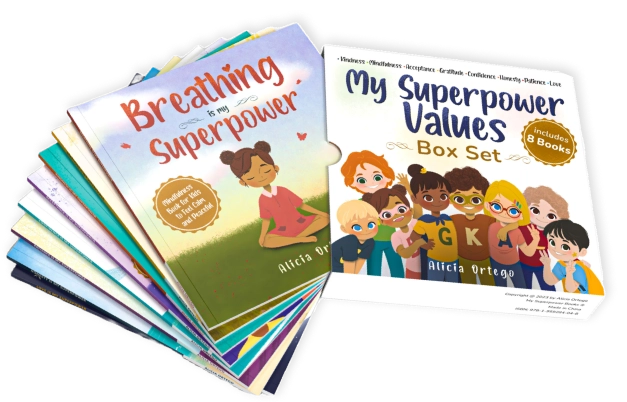
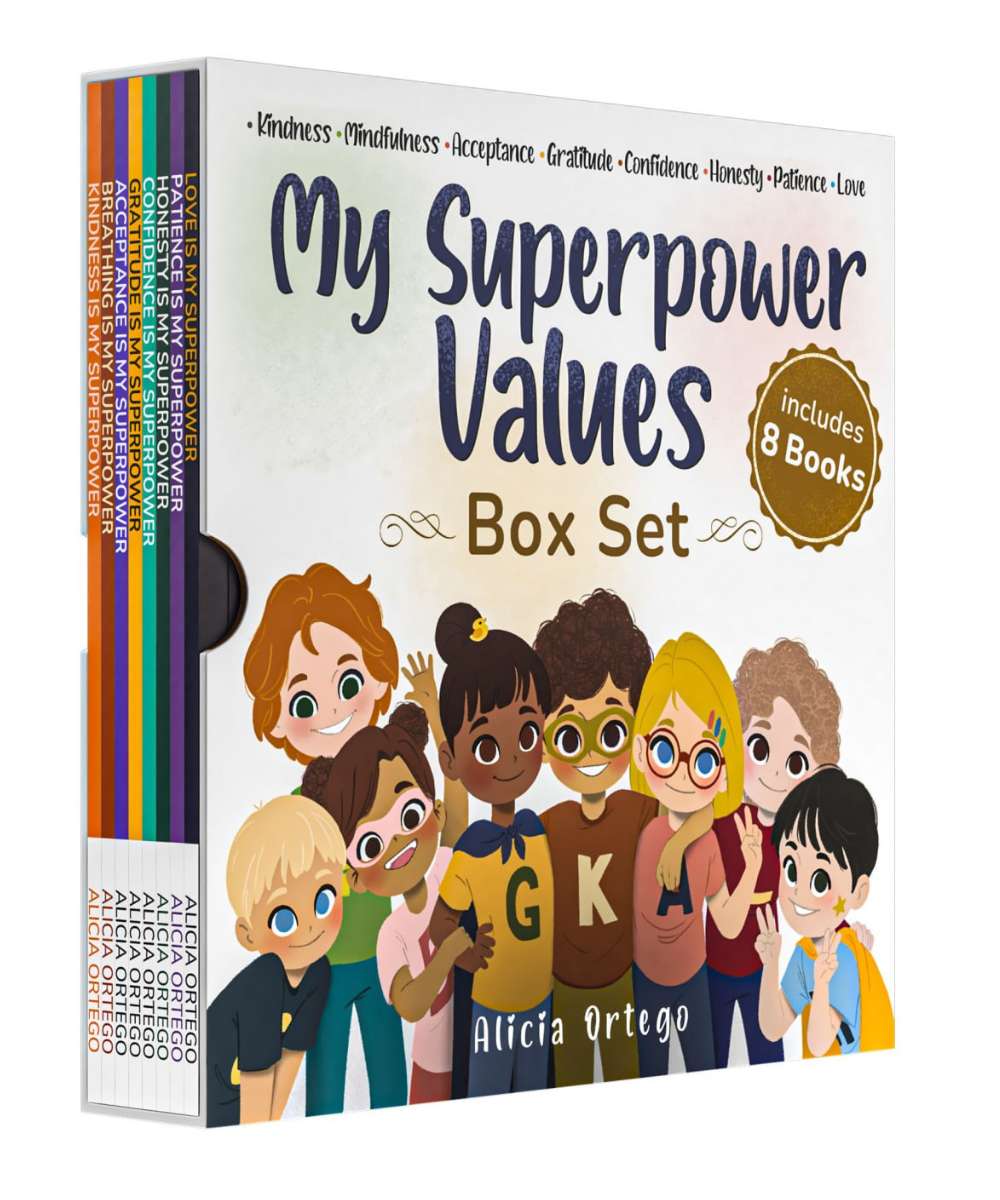
Read books like those in the My Superpower Series to spark conversation. Stories like Kindness is My Superpower or Breathing is My Superpower help kids learn emotional control and respect through storytelling.
5. Freeze and Share (Movement + Talk Game)
Play music, let kids dance, then freeze and answer a question like “What makes a good friend?” Great for energetic learners!
6. Printable PDF Worksheets
Use our free or low-cost social skills worksheets (PDF) for kids to practice real-life conversations, matching emotions, and more. Browse our article on Social Skills for Kids for printable options.
Need help for kids on the autism spectrum? Try visuals, turn-taking games, and feelings charts. These gentle tools help kids gain confidence at their own pace.
Build Social Smarts with Games and Heart
Helping kids thrive socially doesn’t have to be complicated. In fact, it should be fun! Use these social skills activities for today’s kids, ages 6–7 or 10–11, during family time, in classrooms, or small group work. Whether you’re a teacher or a parent, you can make a huge difference.
Looking for workbooks? Try combining our Superpower Book Series with journaling or drawing activities.
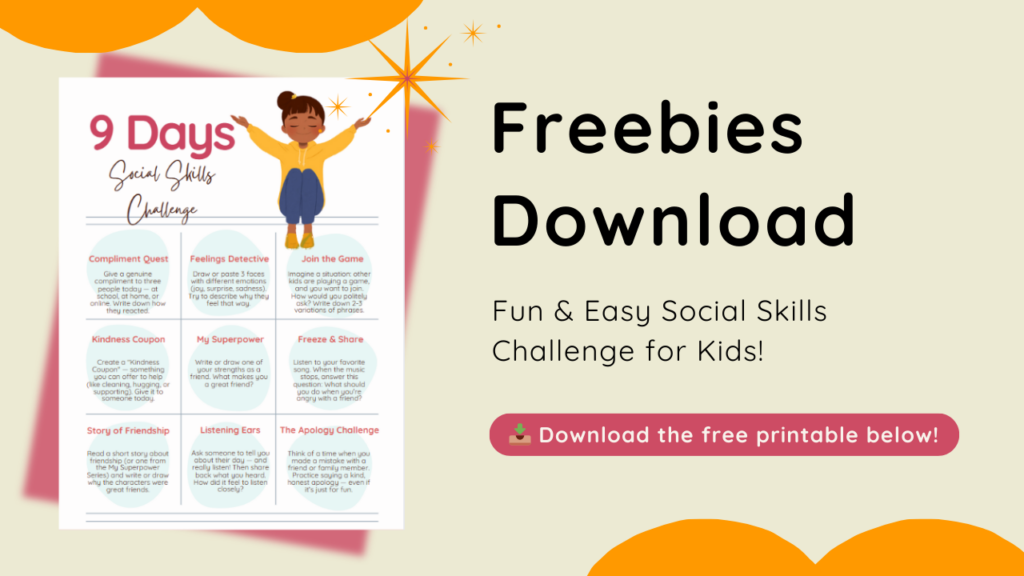
Download our free “9-Day Social Skills Challenge for Kids” PDF
Explore more helpful reads:
- Respect for Kids: How to Teach It Without Lectures
- Gratitude Activities for Children
- Kindness Activities for Preschoolers
External Resources to Explore:
More articles
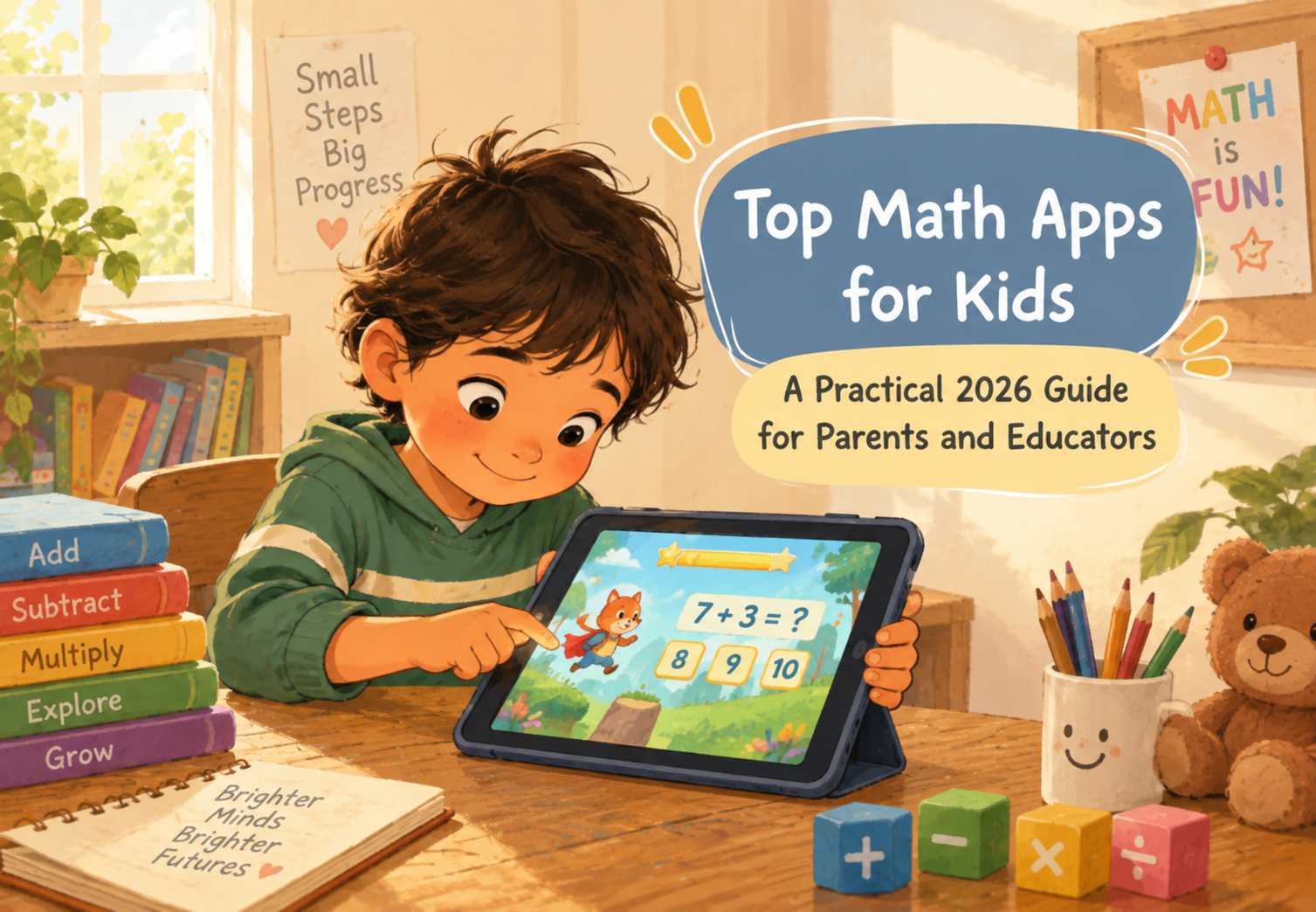

Top Math Apps for Kids: A Practical 2026 Guide for Parents and Educators
Finding a good math app for your child sounds simple until you actually start looking. Some apps are little more than worksheets dressed up with cartoons and rewards. Others are entertaining games where the educational part feels like an afterthought. The best math apps for kids sit somewhere in the middle: children genuinely want to […]
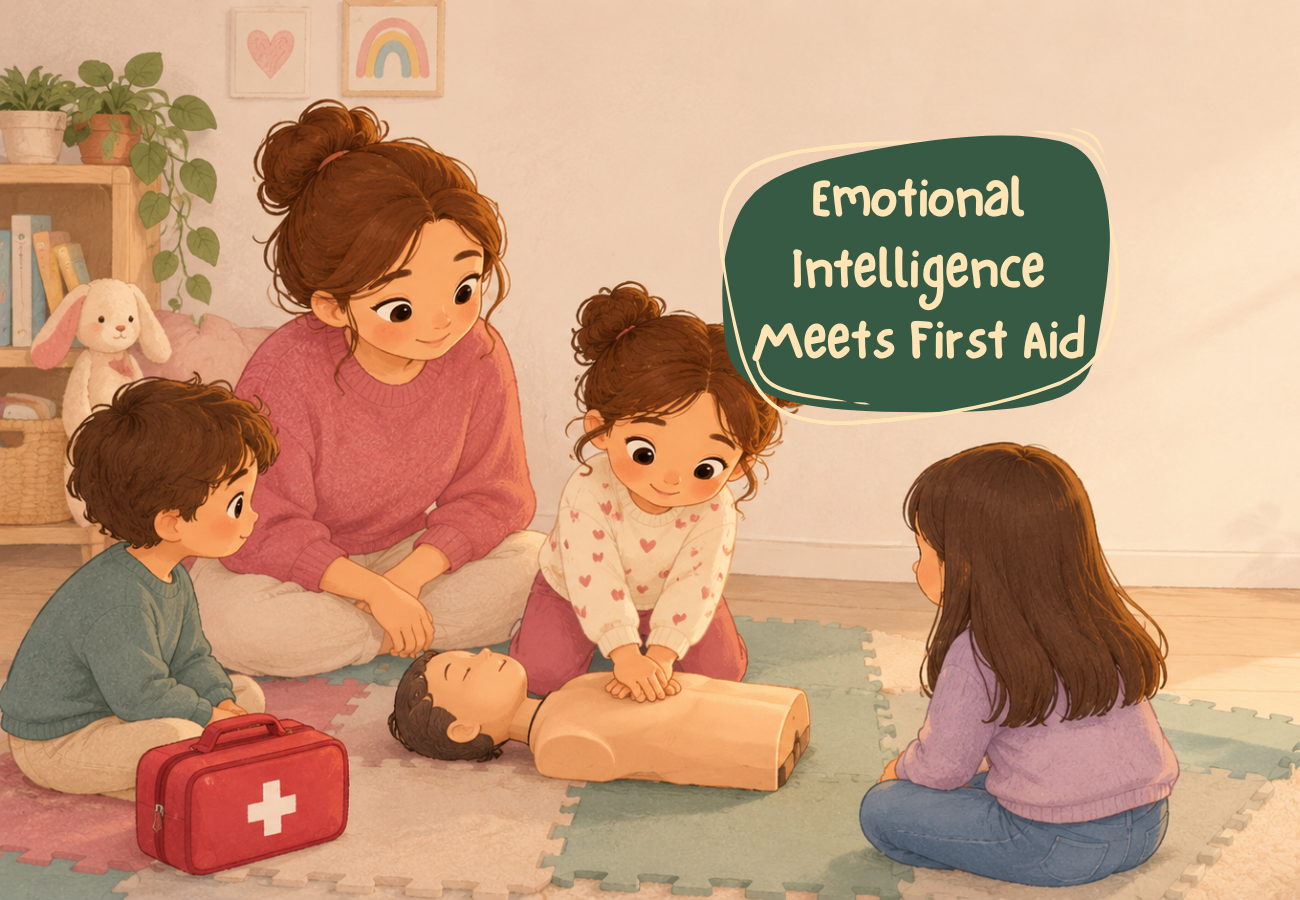
The Calm, Prepared Parent: Why CPR Training Belongs Beside Emotional Intelligence Lessons
My daughter once told me her feelings were “too big for her body.” She was four, fresh off a picture book that teaches kids to name what they feel instead of melting down. It’s a lovely lesson for parents, teachers, and daycare providers to pass along. But here’s the question that stopped me cold: if […]
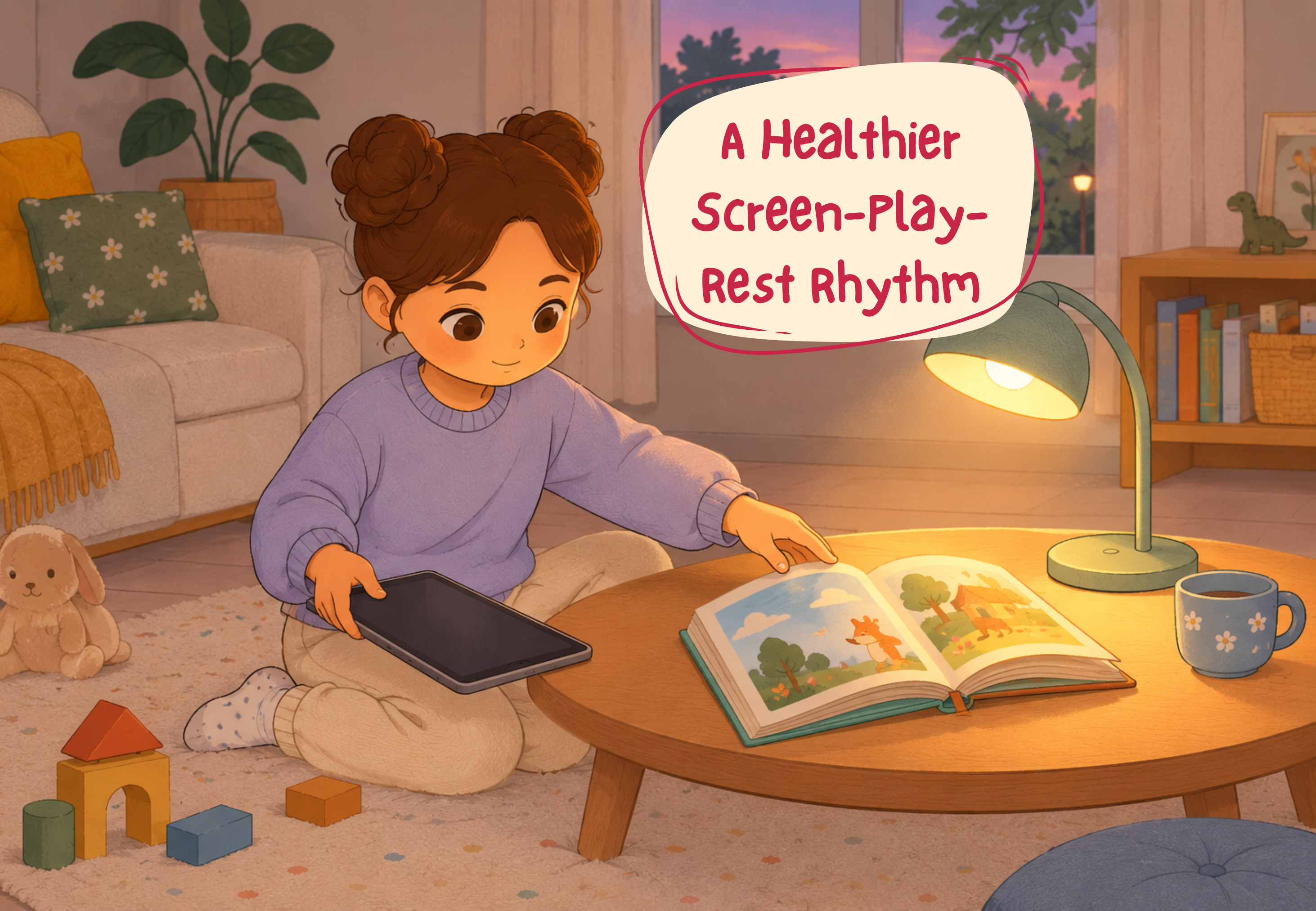
Creating a healthier rhythm between screens, play, and rest
It is five o’clock, homework is finished, and your child asks for the tablet. The device has already been used for school, but a favorite game or video may also be how your child relaxes at the end of a long day. Moments like this can make screen decisions feel more complicated than they need […]