Why Doesn’t My Child Respect Me?
Have you ever asked yourself: “Why is my child ignoring my words?” or “Why do they disrespect my boundaries?”
You’re not alone. Many parents and educators struggle with the same question — how to teach kids respect without turning every conversation into a power struggle.
In today’s fast-moving world, children are growing up surrounded by messages that challenge authority, personal space, and property. And while curiosity and independence are valuable, learning to balance those traits with kindness, empathy, and discipline is essential.
Respect Starts With Us
The first step in how to teach kids to be respectful is understanding what respect really means. According to Brightwheel, respect is treating others with kindness, even if we don’t always agree with them. It includes listening, using polite words, and taking care of others’ belongings.
Signs your child doesn’t respect you might include constant interruptions, ignoring instructions, or damaging property. But these are often signs of untaught, not unteachable behavior.
Wondering where your relationship stands?
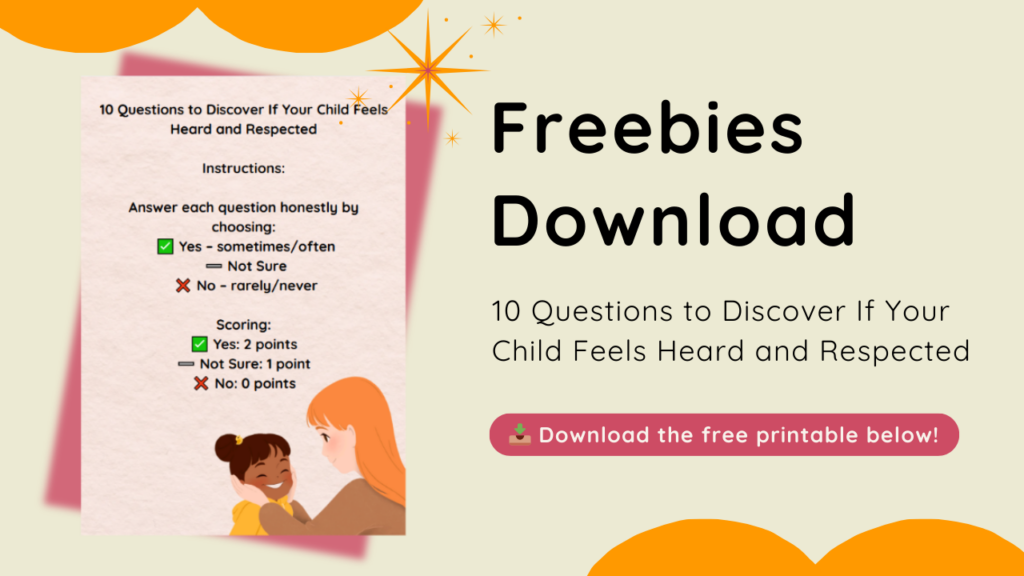
Download File
5 Powerful Tips to Teach Respect Without Lecturing
1. Be a Role Model
Children learn by watching. Use respectful language even during disagreements. Let them see how you speak with kindness and firmness at the same time.
2. Set Clear Boundaries and Consequences
Discipline is not punishment — it’s teaching. According to Focus on the Family, clear expectations and consistent consequences help kids understand limits.
3. Teach Them to Respect Other People’s Property
When kids help clean up or return borrowed items, they learn responsibility. Practice with phrases like: “We take care of things that don’t belong to us.”
4. Use Books to Spark Conversations
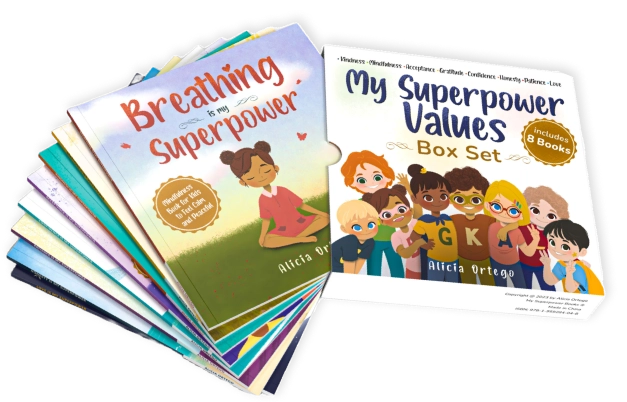
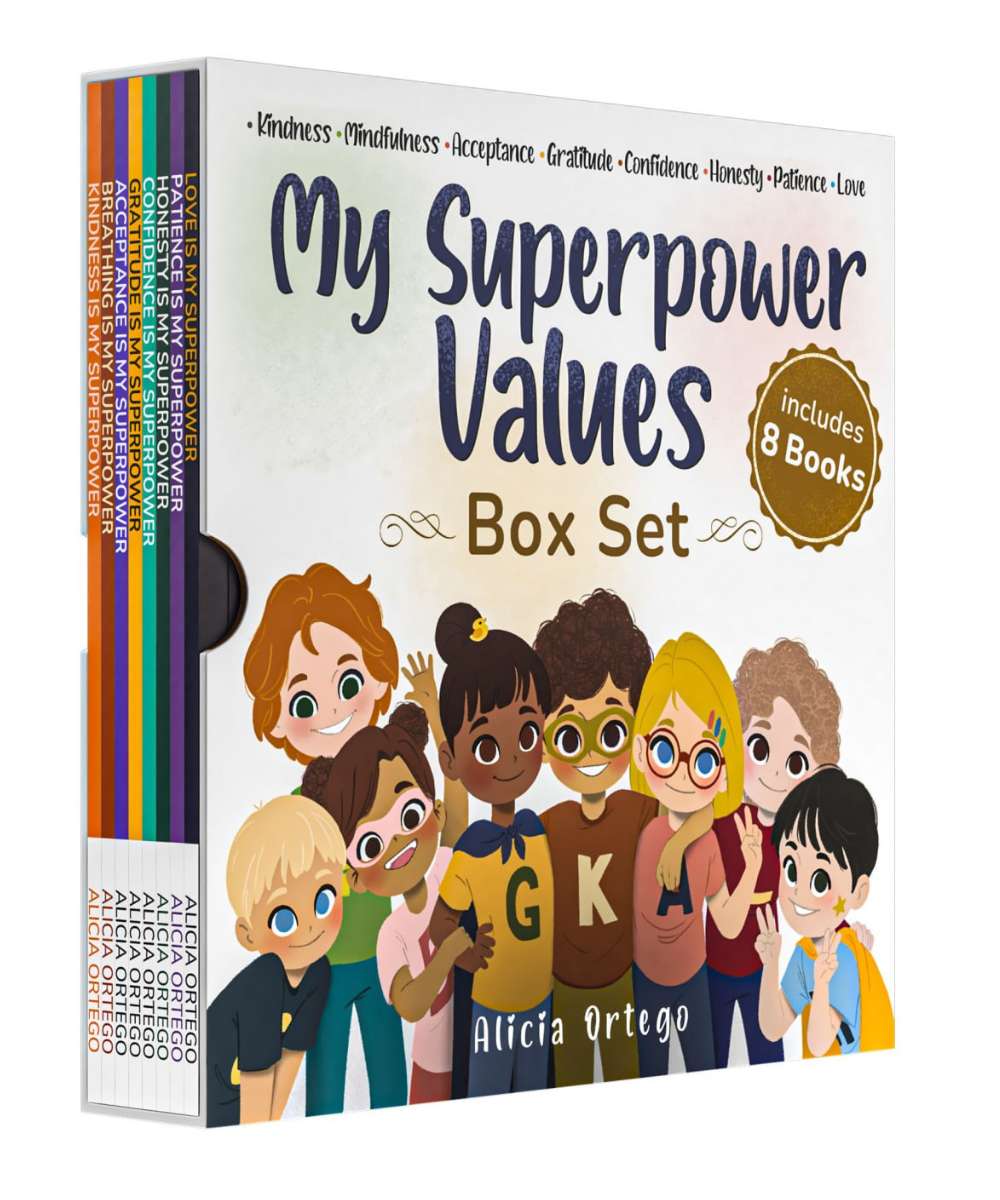
Books like My Superpower Books Collection teach values like kindness, patience, and respect through relatable stories. These tools are especially helpful for visual and emotional learners.
5. Encourage Reflection, Not Just Obedience
Ask open-ended questions:
- How would you feel if someone spoke to you like that?
- What could you do differently next time?
More tips like these can be found in our article: Emotional Intelligence for Kids: A Guide to Raising Emotionally Intelligent Children
Build Respect One Day at a Time
Respect isn’t taught in one conversation—it’s built through daily actions. Whether you’re teaching a classroom of preschoolers or guiding your child at home, the key is consistency, empathy, and a little creativity.
Looking for more ways to support emotional growth? Explore our My Superpower Books Collection — a heartfelt series that teaches children core values like gratitude, patience, kindness, and respect in a playful and engaging way.
Also check out:
External Resources We Recommend:
More articles

10 Best Social-Emotional Learning Books for Kids (Used by Teachers & Parents)
Ask any teacher what’s changed most in classrooms over the past decade, and you’ll hear the same answer: kids need more than academics. They need to know how to handle frustration without melting down, how to include someone who’s been left out, how to say “I’m sorry” and mean it. Social-emotional learning isn’t a trend […]
How Teachers Can Use Storybooks to Build Social Skills in the Classroom
Every teacher knows the moment. Two kids arguing over a pencil, and suddenly the whole lesson is derailed. Or a child sitting alone at lunch because no one thought to include them. These aren’t dramatic crises — they’re the small, everyday moments where social skills either show up or don’t. And yet, teaching those skills […]
Why an LCSW is the Ideal Partner for Your Child’s Mental Health Journey
Navigating the emotional and behavioral challenges of a child can feel overwhelming for many parents. It is often difficult to understand what is truly behind a child’s anxiety, mood changes, or behavioral reactions, especially when different explanations and opinions come from various specialists or systems. Many families experience a fragmented approach where a child’s difficulties […]