How Teachers Can Use Storybooks to Build Social Skills in the Classroom

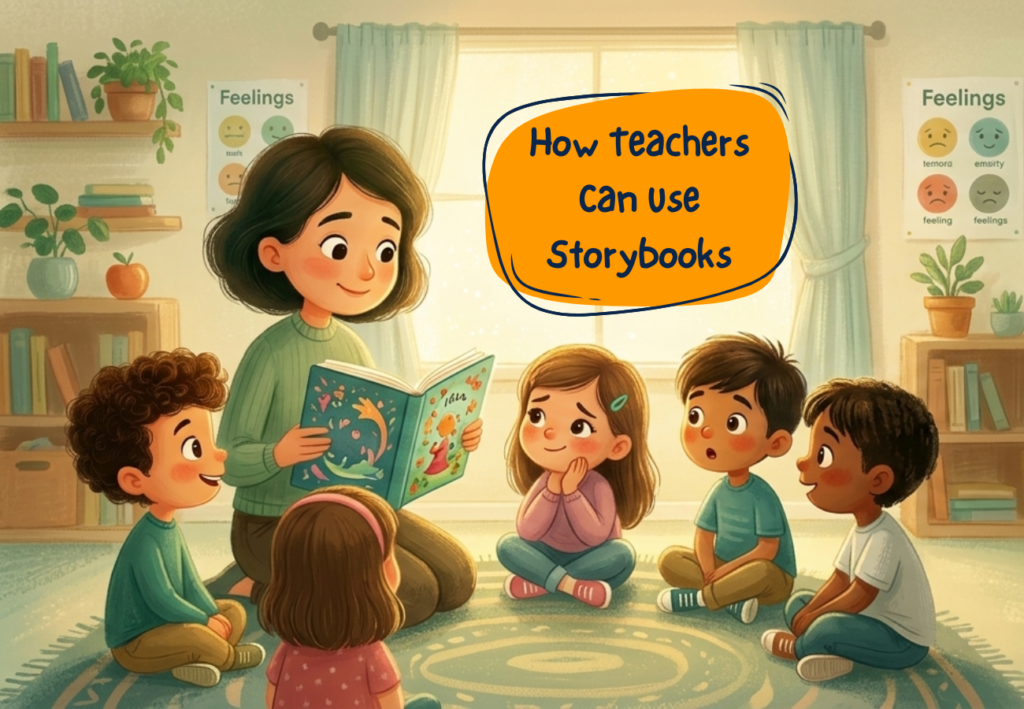
Every teacher knows the moment. Two kids arguing over a pencil, and suddenly the whole lesson is derailed. Or a child sitting alone at lunch because no one thought to include them. These aren’t dramatic crises — they’re the small, everyday moments where social skills either show up or don’t.
And yet, teaching those skills is often the hardest part of the job. Not because teachers don’t care, but because how do you actually teach a child to feel empathy? How do you make “be kind” land in a way that changes behavior?
One answer has been sitting on classroom shelves all along: storybooks.
The Problem: What Teachers Are Actually Seeing Every Day
Talk to any primary school teacher and you’ll hear the same patterns come up again and again.
Some children genuinely don’t know how to share or take turns — not because they’re selfish, but because they’ve never had a structured space to practice. Others struggle to recognize when a classmate is upset, or how to respond when they do notice. And when small conflicts do arise, they can spiral fast — a look becomes an argument, an argument becomes a meltdown.
These aren’t just “behavior problems.” They’re early social-emotional learning gaps, and they affect everything: friendships, classroom dynamics, and yes, even academic performance. A child who can’t resolve conflict or express frustration calmly is a child who’s going to have a much harder time learning, no matter how good the curriculum is.
Why Storytelling Works — Better Than You Might Expect
Here’s the thing about telling a child to “be kind” or “use your words”: it rarely sticks on its own. Instruction without experience is just noise.
But stories? Stories work differently. When a child gets lost in a book, they’re not being lectured — they’re living alongside a character. They feel what the character feels. They worry about what happens next. And without any pressure, they start to recognize those same emotions in themselves and in the people around them.
This is why books for teaching empathy in school are so powerful. A child who might shut down in a direct conversation about feelings will open up completely when they’re talking about a character who felt left out, or scared, or unsure what to do. The story gives them a safe distance — and that distance is exactly what makes the learning stick.
5 Classroom Activities That Turn Story Time Into Social Skills Practice
You don’t need a special program or extra prep time. These SEL activities for teachers work with almost any storybook your class is already reading.
1. Story Discussion Circles
After you finish a chapter or a read-aloud, pull everyone into a circle and ask a few guided questions: How was the character feeling in that moment? Has anyone ever felt something similar? What do you think they could have done differently?
It sounds simple — and it is — but this kind of structured conversation builds emotional vocabulary and listening skills faster than almost anything else.
2. Role-Play Scenes
Pick a key moment from the story and let students act it out. The conflict, the apology, the moment of misunderstanding. When children move through a scenario with their bodies, they process it differently than when they just read about it. It’s also a surprisingly good way to explore multiple perspectives — what does the scene feel like from the other character’s point of view?
3. “What Would You Do?” Questions
Pause mid-story — right at a moment of tension — and ask the class: What would you do if you were in this situation? Is there another choice the character could make?
This is one of the most effective classroom social skills activities because it builds real-time decision-making. It also shows children that most situations have more than one possible response, which is a genuinely important thing to learn.
4. Emotion Mapping
Create a simple visual chart together: what was the character feeling at the beginning? During the conflict? At the resolution? Tracking that emotional arc helps children understand that feelings shift — that being angry doesn’t mean staying angry, and that resolution is actually possible.
5. Group Reflection
Close the lesson with two simple questions: What did we learn about kindness today? How could we use that in our own classroom?
This is the bridge between story and real life. It’s brief, it’s low-pressure, and it’s the step that actually moves learning from the page into behavior.
Featured Lesson Plan: Gratitude Is My Superpower
If you’re looking for a ready-to-teach starting point, this lesson plan is built around Gratitude Is My Superpower — a perfect book for opening classroom conversations about thankfulness, perspective, and emotional awareness.
The plan walks students through recognizing what gratitude actually looks and feels like, understanding how shifting our perspective can change how we feel, and practicing expressing appreciation — for people, moments, and even the small things that often go unnoticed.
It comes with pre-reading questions, guided prompts for the read-aloud, SEL classroom activities, and a post-reading reflection — everything you need to run a complete, structured lesson without building it from scratch.
👉 Get the Gratitude Lesson Plan
Perfect for classrooms, counselors, and homeschoolers — fill out a quick bulk order request and we’ll take care of the rest.
Perfect for Classrooms, Counselors, and Homeschoolers
Story-based social skills learning works because it meets children where they are — emotionally, developmentally, and in the moment.
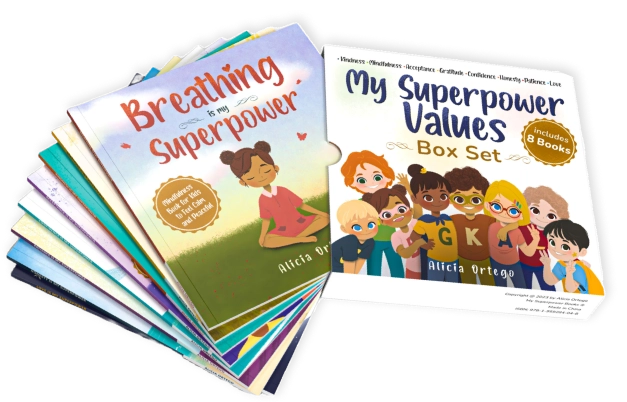
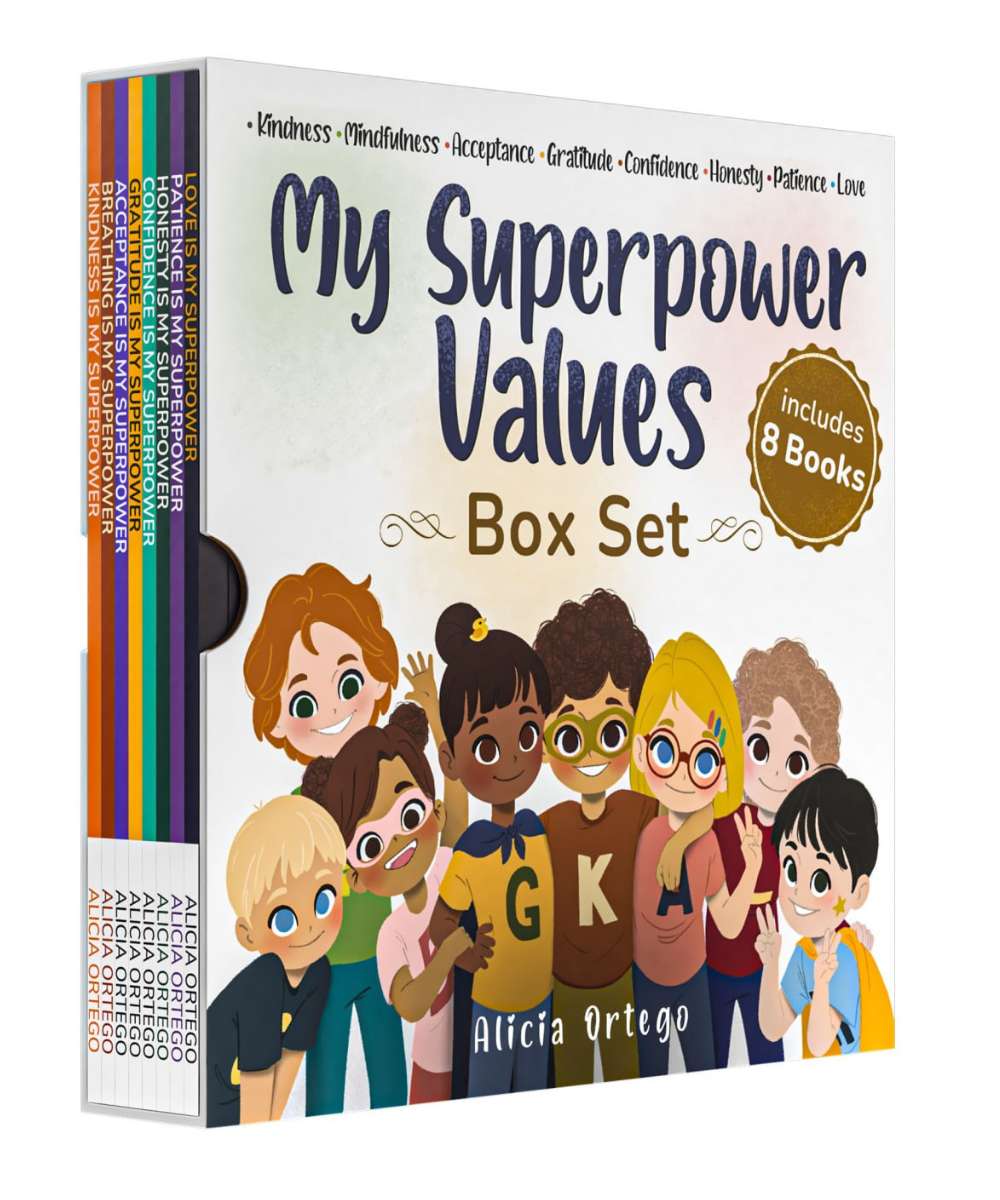
Books like those in the My Superpower series are specifically designed to support SEL activities for teachers, emotional development in early education, and classroom conversations about empathy, kindness, and resilience. They work just as well for school counselors running small groups, homeschool parents looking for meaningful read-alouds, and after-school programs wanting something more than worksheets.
For schools buying at scale, consistent use of the same books across classrooms and grade levels makes a real difference — children build shared vocabulary and reference points that carry into the hallway, the lunchroom, and the playground.
Explore classroom bulk orders, school-friendly box sets, and structured SEL reading collections — and build a more emotionally aware classroom, one story at a time.
More articles
50 Creative Reading Rewards Ideas That Motivate Kids to Love Books
Every parent and teacher of a reluctant reader has wondered the same thing: should I reward my child for reading? If rewards are done badly, they turn books into a chore you get paid for. However, when they are done well, they give kids the push they need until reading becomes its own reward. This […]
Reading Goals for Kids: 50 Fun Reading Challenges to Build Lifelong Readers
“Read more” is the most common reading advice a child hears, and the least useful. It has no starting point, no finish line and no moment where anyone gets to say “you did it.” A reading goal fixes that. It turns a vague wish into something a child can picture, count and celebrate. This guide […]
Top Math Apps for Kids: A Practical 2026 Guide for Parents and Educators
Finding a good math app for your child sounds simple until you actually start looking. Some apps are little more than worksheets dressed up with cartoons and rewards. Others are entertaining games where the educational part feels like an afterthought. The best math apps for kids sit somewhere in the middle: children genuinely want to […]