10 Best Social-Emotional Learning Books for Kids (Used by Teachers & Parents)

Ask any teacher what’s changed most in classrooms over the past decade, and you’ll hear the same answer: kids need more than academics. They need to know how to handle frustration without melting down, how to include someone who’s been left out, how to say “I’m sorry” and mean it.
Social-emotional learning isn’t a trend — it’s the foundation everything else is built on. Children who understand their emotions do better academically. They build stronger friendships. And they carry those skills into adulthood.
The good news? You don’t need a special curriculum to start. The best SEL books for kids do the heavy lifting. Through characters children love and stories they remember, lessons stick long after the last page.
Here are 10 books that teachers, counselors, and parents actually use and recommend.
1. The Color Monster – Anna Llenas
Best for: Children who struggle to name what they’re feeling Age range: 3–7 Key lesson: When we can name an emotion, we can begin to understand it
Emotions are messy and invisible — this book makes them visual. By separating feelings into colors, it gives young children a concrete, non-threatening way to start talking about what’s going on inside. A classroom staple for good reason.
2. When Sophie Gets Angry — Really, Really Angry – Molly Bang
Best for: Anger outbursts and emotional regulation Age range: 4–8 Key lesson: Anger is normal — what matters is finding a safe way through it
Sophie’s rage is honest and recognizable, which is exactly why children connect with it so quickly. The story doesn’t shame the emotion; it models what healthy self-soothing can look like. Great for one-on-one conversations after a difficult moment.
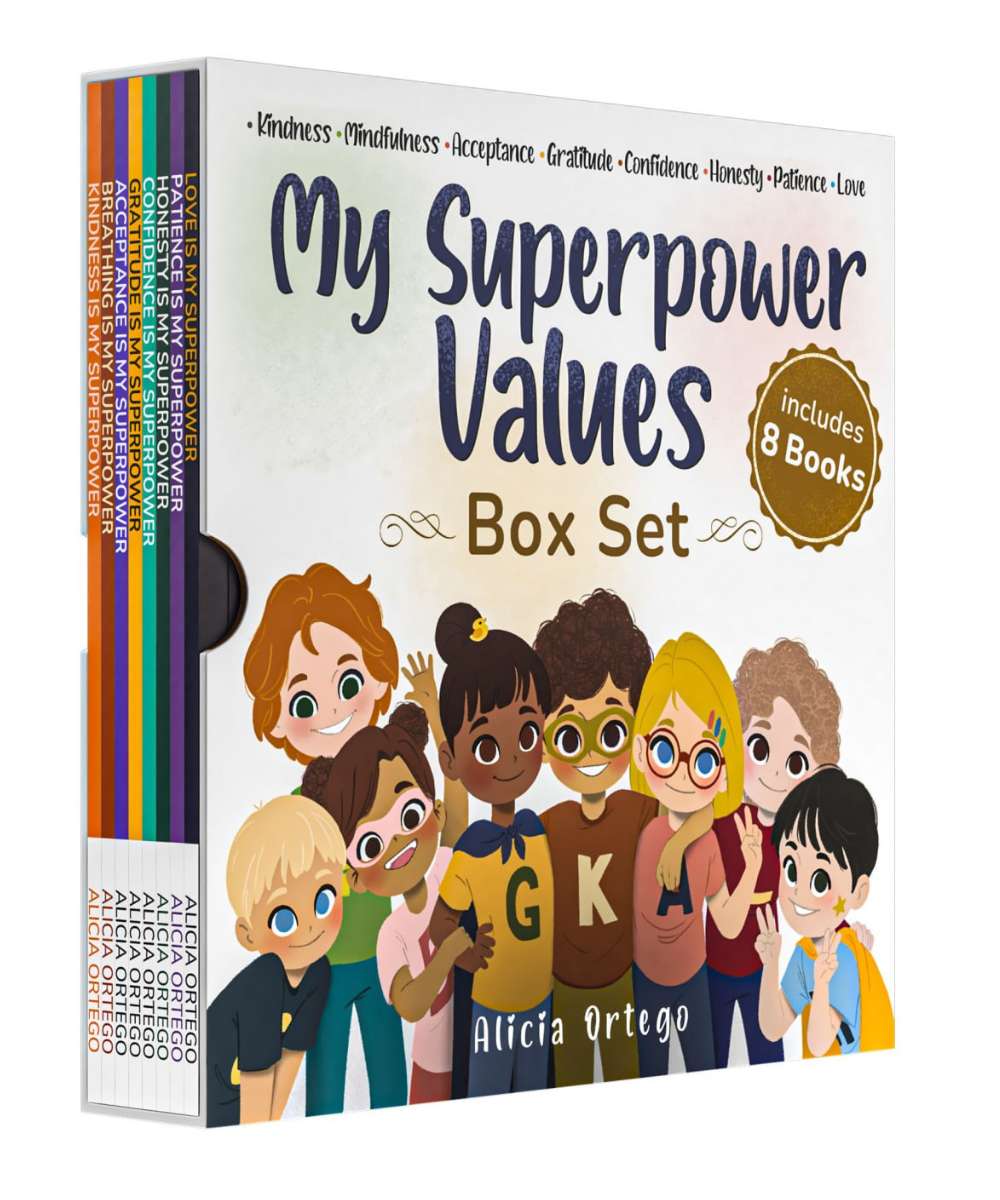
3. Acceptance Is My Superpower – Alicia Ortego
Best for: Exclusion, judgment, and classroom dynamics Age range: 5–10 Key lesson: Accepting differences is what makes friendships — and classrooms — stronger
One of the most-used books about kindness for kids. It tackles inclusion in the places children actually experience it: the playground, group projects, lunch. It doesn’t lecture — it shows what acceptance looks like in action. That’s what makes the lesson land.
4. Gratitude Is My Superpower – Alicia Ortego
Best for: Negativity, entitlement, and perspective Age range: 5–10 Key lesson: Noticing the good — even the small things — genuinely changes how we feel
Gratitude can sound abstract to a seven-year-old. This book makes it concrete and immediate, helping children see the everyday moments they often overlook. Works beautifully as a read-aloud at the start or end of the school day.
5. The Feelings Book – Todd Parr
Best for: Emotional confusion and self-acceptance Age range: 3–7 Key lesson: Every emotion is valid — there’s no wrong way to feel
Bold colors, simple language, zero judgment. Todd Parr has a gift for meeting very young children exactly where they are, and this book is one of his best. Perfect for social emotional books for preschool and early kindergarten.
6. Breathing Is My Superpower – Alicia Ortego
Best for: Anxiety, stress, and big feelings that feel overwhelming Age range: 4–9 Key lesson: Your breath is always available — and it can calm you down
Mindfulness for children works when it’s practical, not abstract. This book introduces breathing techniques through a story children can follow and remember, giving them a tool they can actually use in the moment — in the classroom, before a test, at bedtime.
7. In My Heart: A Book of Feelings – Jo Witek
Best for: Building emotional awareness and body literacy Age range: 3–8 Key lesson: Feelings aren’t just in your head — you feel them in your whole body
The die-cut pages that change size with each emotion are a small but brilliant detail — children feel the book shift as the feeling does. A beautiful introduction to the physical experience of emotion, and a gentle conversation-starter for quieter children.
8. Kindness Is My Superpower – Alicia Ortego
Best for: Lack of empathy, social conflict, and classroom relationships Age range: 5–10 Key lesson: Kindness isn’t a big gesture — it’s the small choices we make every day
One of the strongest books about emotions for children navigating friendships for the first time. It shows kindness in settings children recognize: at school, at home, with siblings, with strangers. Widely used by school counselors as a starting point for SEL conversations.
9. The Invisible Boy – Trudy Ludwig
Best for: Loneliness, exclusion, and empathy Age range: 5–10 Key lesson: Inclusion isn’t just about being nice — it’s about truly seeing people
This one stays with children (and adults) long after reading. The quiet, almost invisible main character is drawn in muted tones while everyone else is in color — until someone includes him. A powerful classroom tool for opening honest conversations about belonging.
10. My Mouth Is a Volcano! – Julia Cook
Best for: Interrupting, impulse control, and listening Age range: 5–9 Key lesson: Learning to wait your turn is a skill — and it can be practiced
Louis has so many important things to say that they just erupt out of him. It’s funny, it’s relatable, and it gives children a memorable image they actually reference later. Teachers consistently report that kids start catching themselves mid-interrupt and saying “my mouth is a volcano.”
Why Parents and Teachers Keep Coming Back to Alicia Ortego’s Books
There are a lot of SEL books on the market. What makes the My Superpower series stand out — and why it’s become a go-to for teachers, counselors, and homeschool parents — comes down to one thing: the situations feel real.
These aren’t abstract lessons about emotions in general. They’re stories about the specific moments children actually face — being left out of a game, feeling overwhelmed before something scary, struggling to say thank you when you’re disappointed. The language is simple enough for young readers but never condescending. The lessons are clear without being preachy.
Most importantly, the books don’t just describe emotions — they show children what to do. That’s the difference between a book a child reads once and forgets, and a book that changes how they act on the playground the next day.
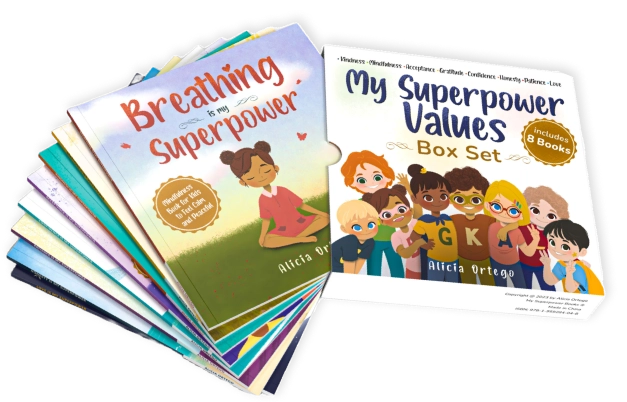
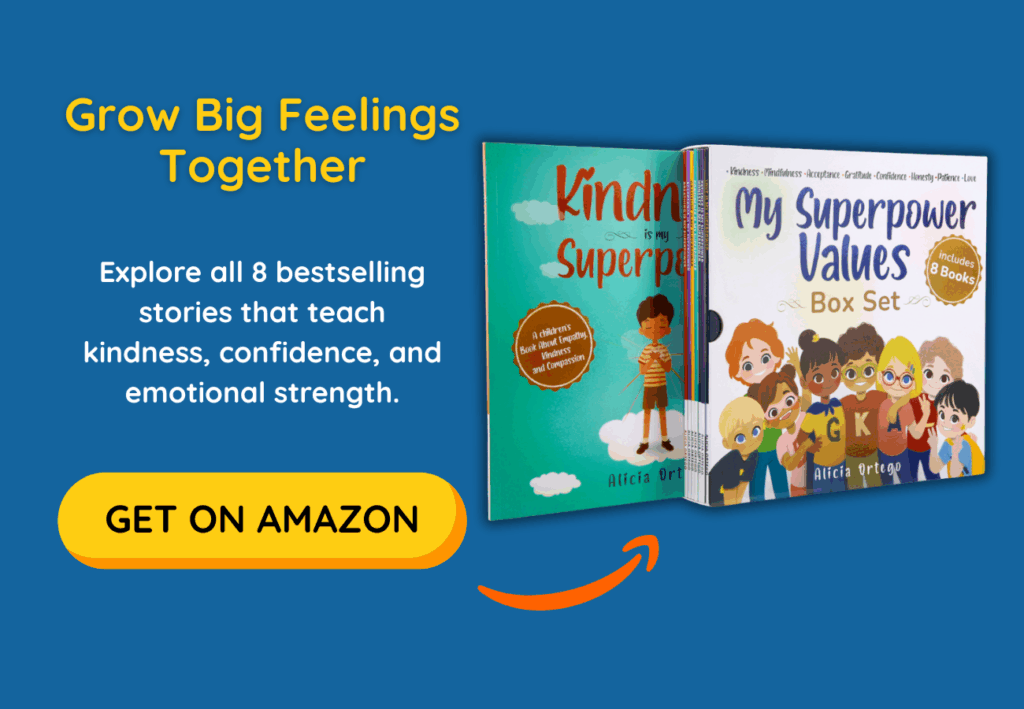
If you’re building a classroom library, putting together a counseling toolkit, or just looking for books about kindness for kids that will actually get read, the My Superpower collection was designed as a complete social-emotional learning system — each book targeting a different skill, all working together.
👉 Explore the full series and bring SEL to life in your classroom or home.
More articles
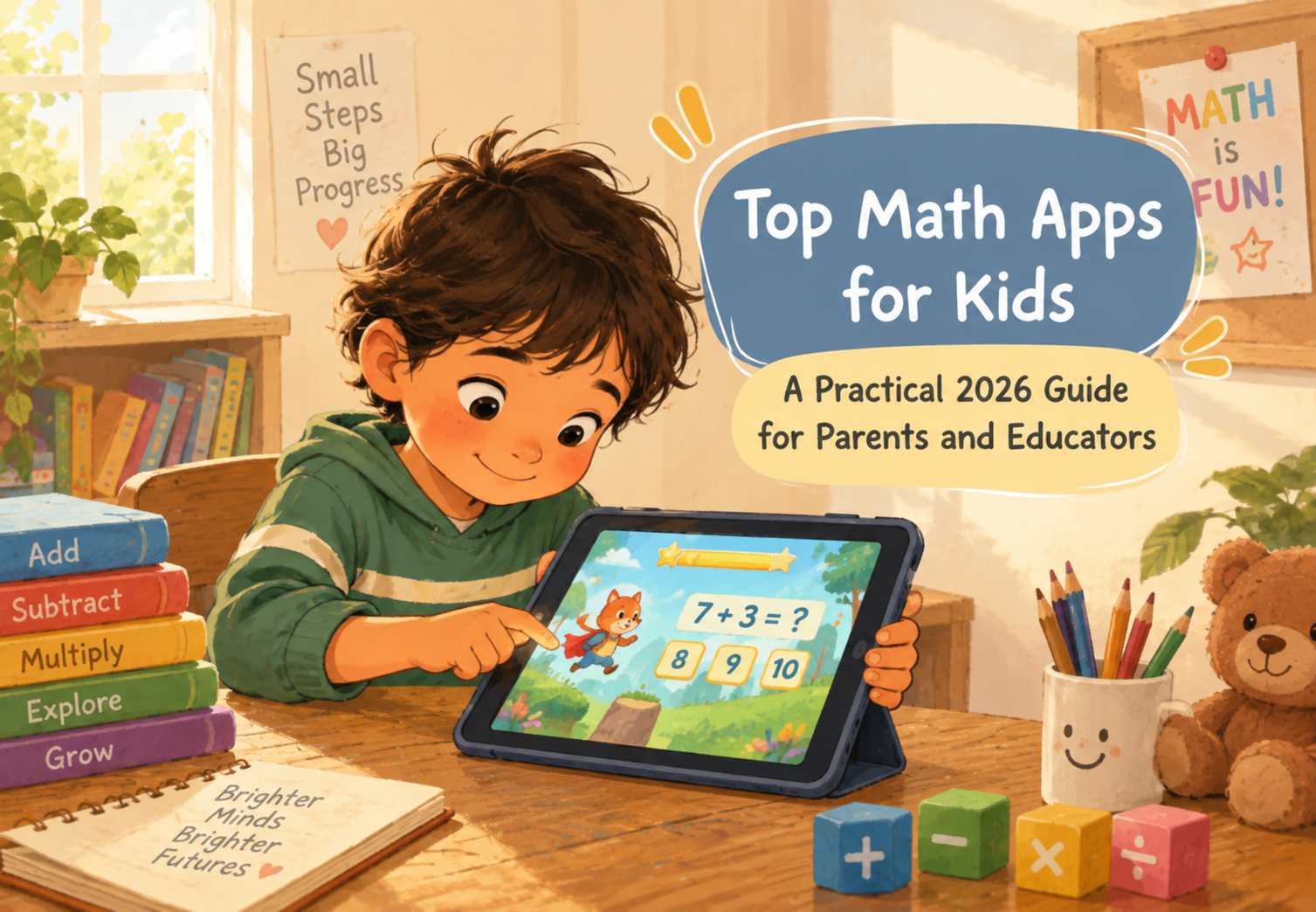
Top Math Apps for Kids: A Practical 2026 Guide for Parents and Educators
Finding a good math app for your child sounds simple until you actually start looking. Some apps are little more than worksheets dressed up with cartoons and rewards. Others are entertaining games where the educational part feels like an afterthought. The best math apps for kids sit somewhere in the middle: children genuinely want to […]
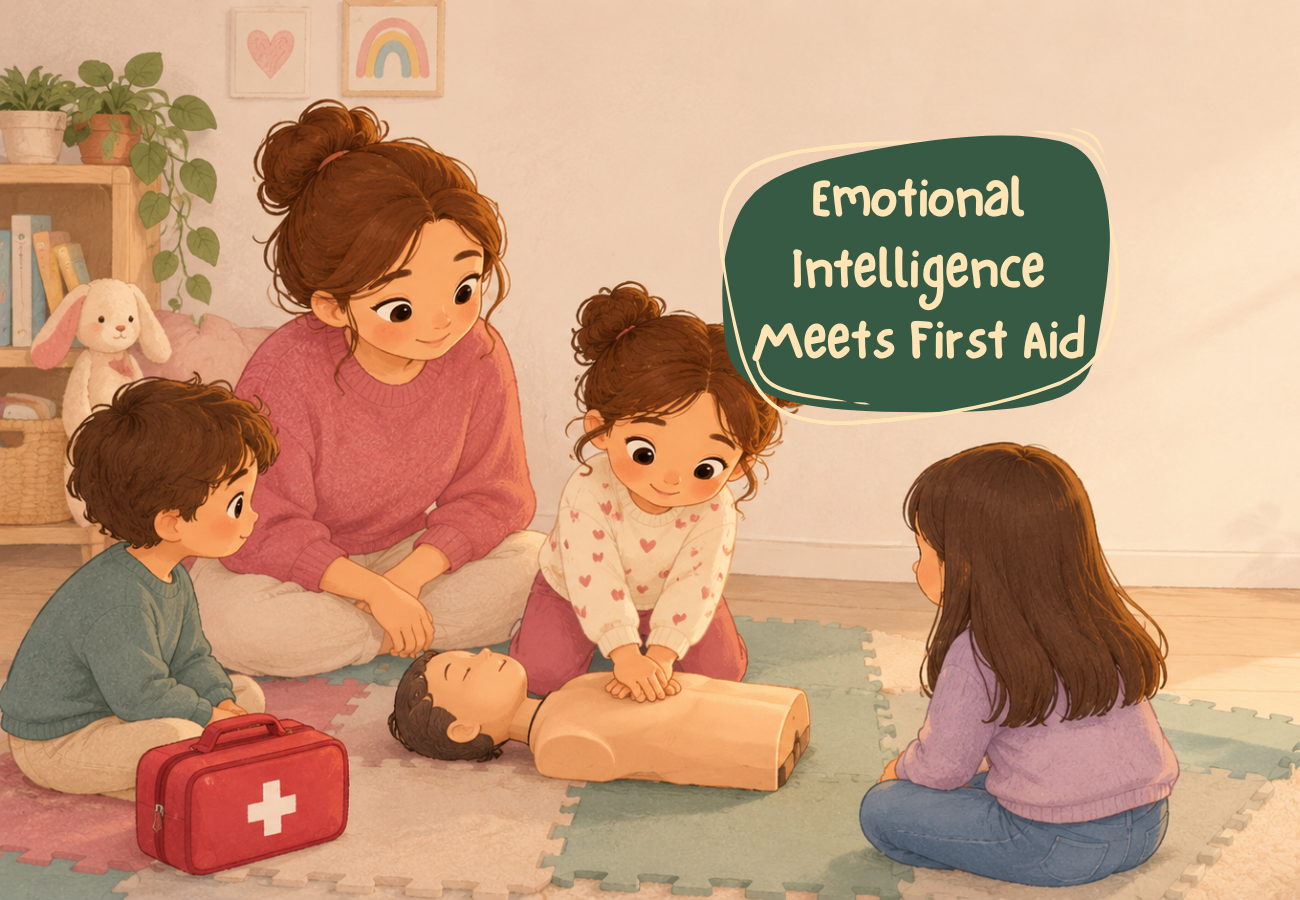
The Calm, Prepared Parent: Why CPR Training Belongs Beside Emotional Intelligence Lessons
My daughter once told me her feelings were “too big for her body.” She was four, fresh off a picture book that teaches kids to name what they feel instead of melting down. It’s a lovely lesson for parents, teachers, and daycare providers to pass along. But here’s the question that stopped me cold: if […]
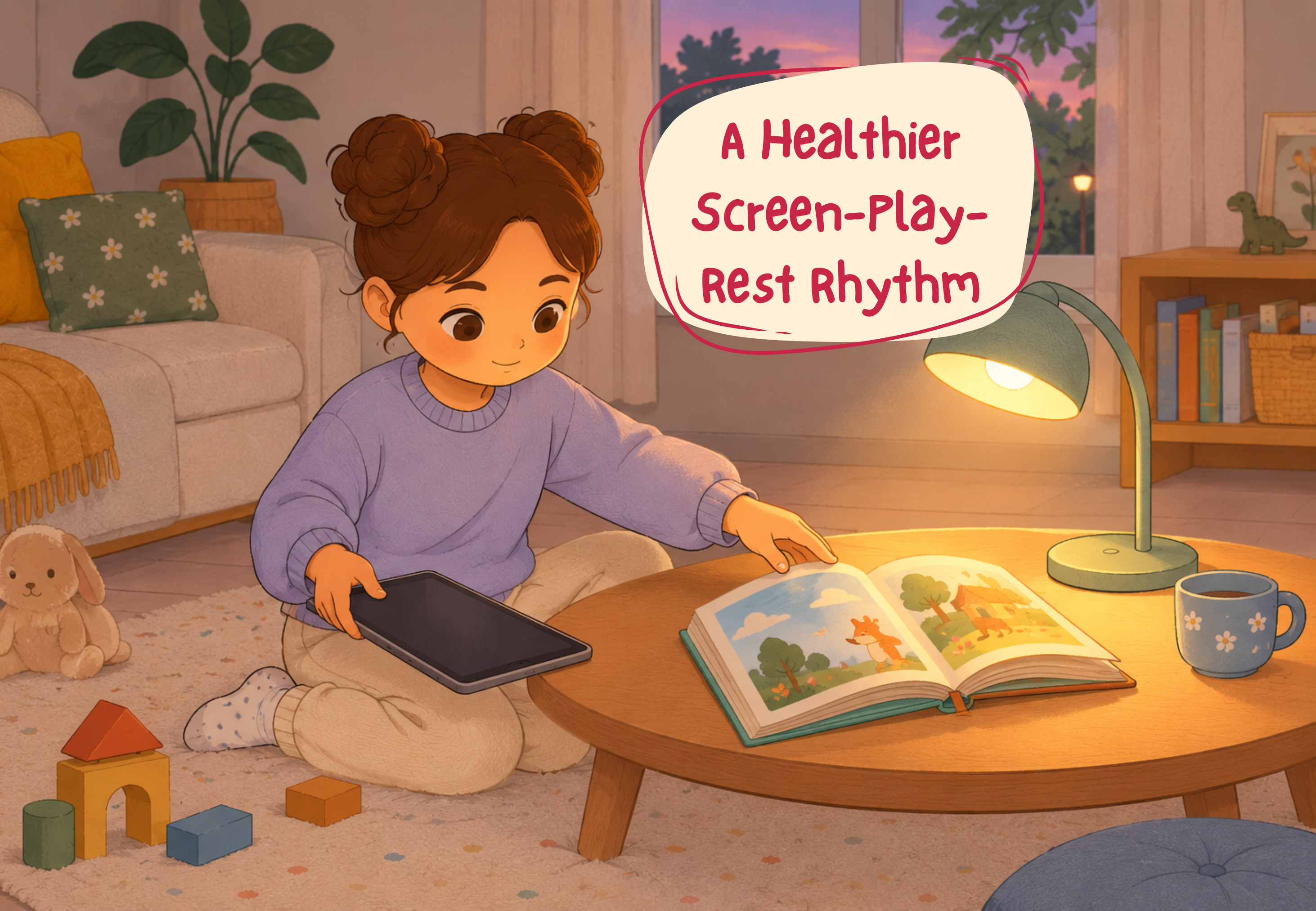
Creating a healthier rhythm between screens, play, and rest
It is five o’clock, homework is finished, and your child asks for the tablet. The device has already been used for school, but a favorite game or video may also be how your child relaxes at the end of a long day. Moments like this can make screen decisions feel more complicated than they need […]