What Is a Children’s Schedule Chart?
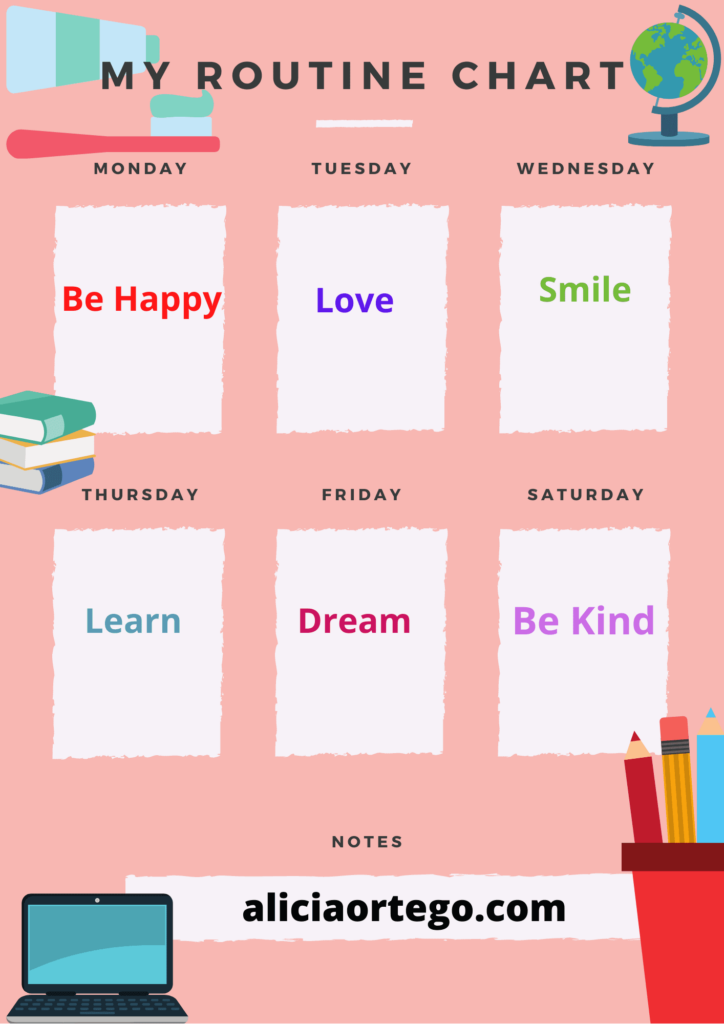
A kid’s routine chart is a tool for both managing time and building self-discipline. It includes the most important daily tasks – making a bed, cleaning teeth, watering plants, etc. Children’s routine charts are free printable, diverse, and customizable. That means that you can choose the most appropriate one. Its structure is quite simple because there are two or three key columns. They stand for the task type and the state of its readiness. For example, if a kid does morning exercises, he checks the line next to this task. Much depends on its design. Some charts include additional columns that stand for date or self-assessment (how good were you at it?). There are charts for school and home. Some of them meet the needs of preschoolers too. You may think about how to do a chart for kids yourself. Otherwise, look up some charts online.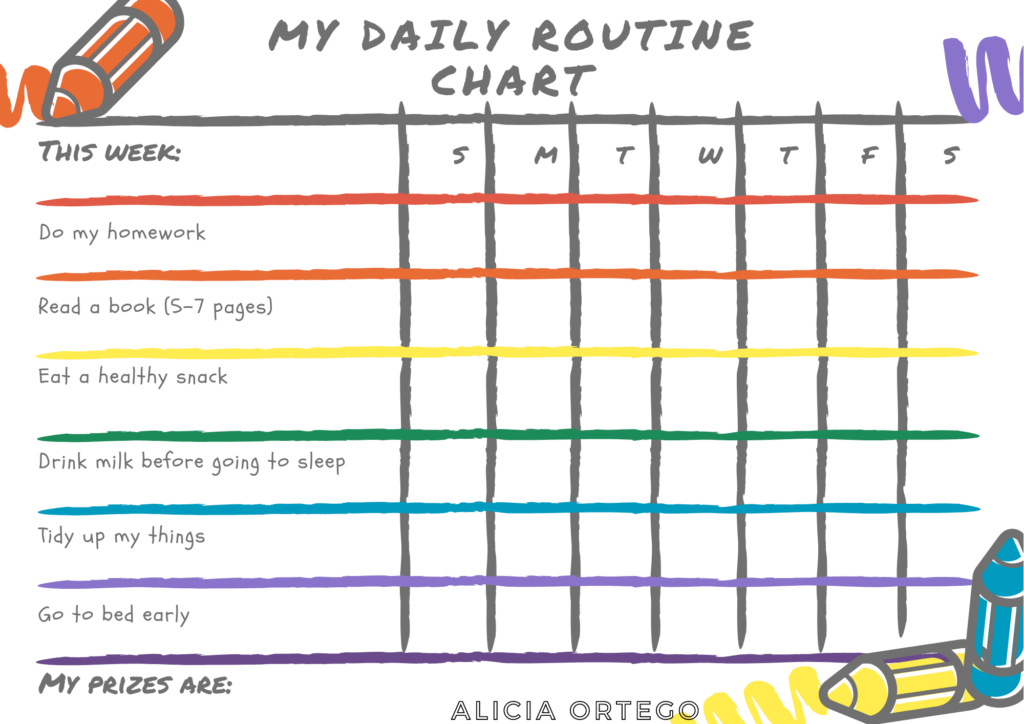
Why is Time-Management Tough for Children?
It is difficult for most adults to be on a schedule, let alone kids. But we know that it has its benefits. Children, in turn, are more focused on being happy and free from any planning. Aren’t they wiser than we are? Anyway, kids avoid rules and daily routine tasks. You can teach them a sense of time, though. For this, use free printable morning routine charts with pictures. It will have a positive effect on their lives. First, kids will learn how to keep up to date with home chores and even have time to relax. Well, in their case, time to relax means playing and having fun. Second, children learn how to organize time as well as rank tasks. And it is exciting! Keeping a chart is a gripping activity since they seem to enjoy it. Children want to act like grown-ups. It would be nice if you had a planner too to provide a role model. Your children will copy you. Routine charts also work well for adults. It is not easy at all to start following a plan because one should change their usual behavior. Habits are hard to break. But you and your children can make it.How Does a Morning Routine Chart Work?
As you know, there are at least two columns: task and a field for check markers. It is better to follow an editable morning routine chart. That means you can identify the tasks yourself according to the needs of your child. Not all kids have to clean braces, for instance. You may create your own rules or alter some details. The smaller the kid, the easier the tasks. Assign such tasks as follows:- Make a bed;
- Brush your hair;
- Clean teeth;
- Do morning exercises;
- Eat your breakfast, etc.
What are the Kinds of Routine Charts?
We have already talked about a morning routine chart. Let’s take a look at other types.Kids Bedtime Charts
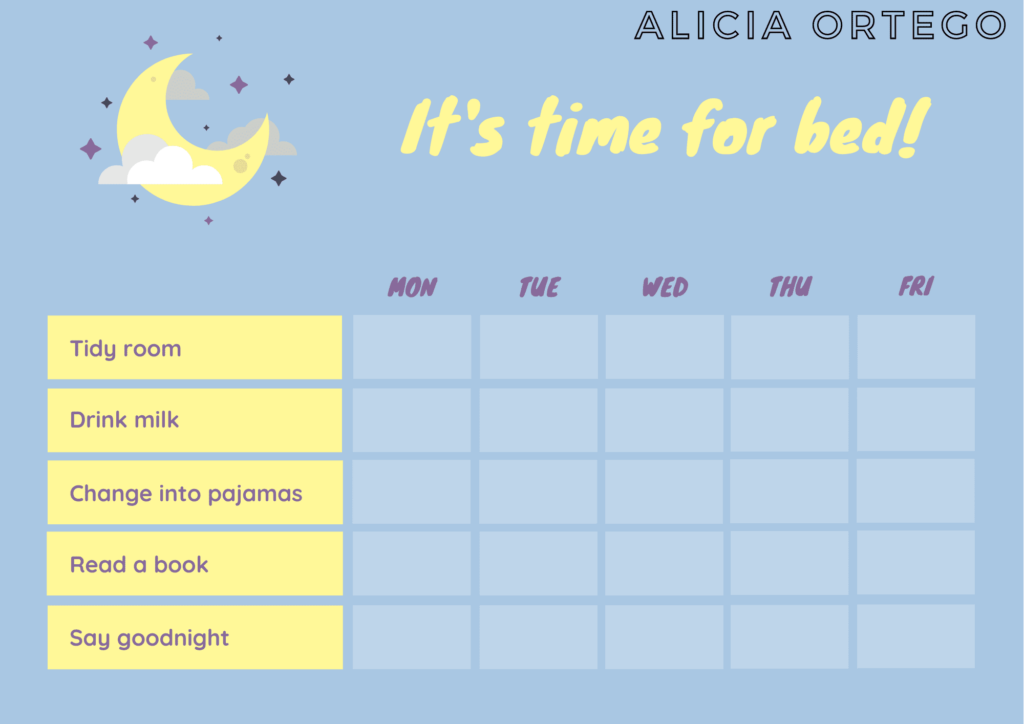 Evening time is no exception when it is about household chores or bedtime routines. Help your kiddy manage time well. There will be an exact time when a child goes beddy-byes. A proper night routine contributes to the quality of sleep. Good mood and sound health depend on it.
Ideas for kids bedtime charts:
Evening time is no exception when it is about household chores or bedtime routines. Help your kiddy manage time well. There will be an exact time when a child goes beddy-byes. A proper night routine contributes to the quality of sleep. Good mood and sound health depend on it.
Ideas for kids bedtime charts:
- Pick up toys;
- Bath time;
- Brush teeth;
- Potty time;
- Put on pajamas.
Daily Routine Charts
If your kiddie stays home or is on vacation, it is better to organize time with the help of a kid`s routine chart too. There are such important things to do as:- Wash hands before lunch;
- Do homework;
- Play with friends;
- Read a book, etc.
Finally
You may choose the children’s schedule chart that is fine with your kid. Print it out and get a helpful tool. You might wonder how it is easy to make children get up on time without hysterics. One more option is to adjust it according to your needs. Add such items as see a doctor, walk a dog, keep an eye on kid brother, etc. Get the life together. Children will be grateful to you when they get older.
More articles

10 Best Social-Emotional Learning Books for Kids (Used by Teachers & Parents)
Ask any teacher what’s changed most in classrooms over the past decade, and you’ll hear the same answer: kids need more than academics. They need to know how to handle frustration without melting down, how to include someone who’s been left out, how to say “I’m sorry” and mean it. Social-emotional learning isn’t a trend […]
How Teachers Can Use Storybooks to Build Social Skills in the Classroom
Every teacher knows the moment. Two kids arguing over a pencil, and suddenly the whole lesson is derailed. Or a child sitting alone at lunch because no one thought to include them. These aren’t dramatic crises — they’re the small, everyday moments where social skills either show up or don’t. And yet, teaching those skills […]
Why an LCSW is the Ideal Partner for Your Child’s Mental Health Journey
Navigating the emotional and behavioral challenges of a child can feel overwhelming for many parents. It is often difficult to understand what is truly behind a child’s anxiety, mood changes, or behavioral reactions, especially when different explanations and opinions come from various specialists or systems. Many families experience a fragmented approach where a child’s difficulties […]