What Is the Mood Meter and How Can It Help Kids?

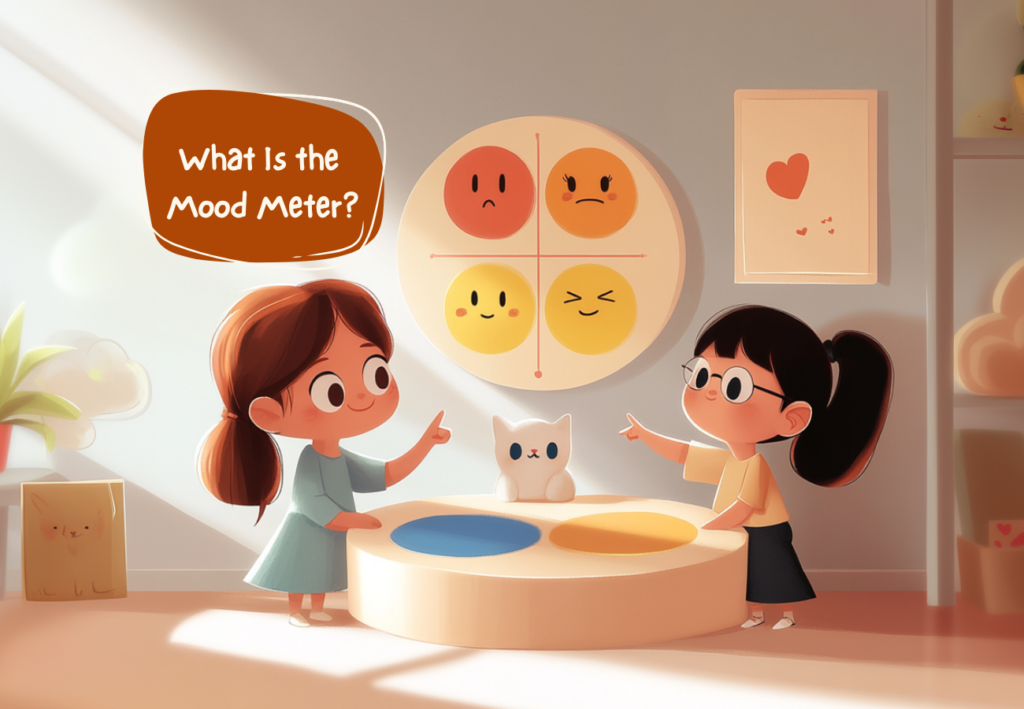
Emotions play a huge role in our daily lives, and understanding them is a superpower every child deserves. One amazing tool to teach emotional awareness is the Mood Meter—a simple yet powerful way to identify and manage feelings. If you’re a parent, teacher, or caregiver, the Mood Meter can help your kids become more emotionally intelligent and confident in expressing themselves.
What Is the Mood Meter?
The Mood Meter is a visual chart that helps people identify and understand their emotions. Created by the Yale Center for Emotional Intelligence, the Mood Meter divides emotions into four quadrants based on energy (high or low) and pleasantness (positive or negative). These quadrants are often color-coded:
- Red: High energy, unpleasant emotions (e.g., anger, frustration).
- Blue: Low energy, unpleasant emotions (e.g., sadness, tiredness).
- Green: Low energy, pleasant emotions (e.g., calmness, contentment).
- Yellow: High energy, pleasant emotions (e.g., joy, excitement).
By helping kids label their emotions using the Mood Meter, we give them tools to navigate their feelings and communicate better.
Why Use the Mood Meter for Kids?
Children often feel overwhelmed by their emotions, especially when they don’t have the words to describe them. A Mood Meter for kids transforms this challenge into an opportunity for growth.
- Builds Emotional Vocabulary:
Instead of saying “I feel bad,” kids can pinpoint emotions like “frustrated” or “lonely,” making it easier to manage feelings. - Fosters Empathy:
By recognizing their own emotions, children become more empathetic toward others. - Improves Self-Regulation:
Once kids know what they’re feeling, they can take steps to adjust their mood—whether that’s through deep breathing, talking to someone, or taking a break. - Supports Mental Health:
Regularly identifying emotions can reduce anxiety and promote a sense of control over their emotional world.
How to Use the Mood Meter at Home or in the Classroom
- Introduce the Mood Meter Chart:
Display a colorful chart in a common space. You can use printable versions like
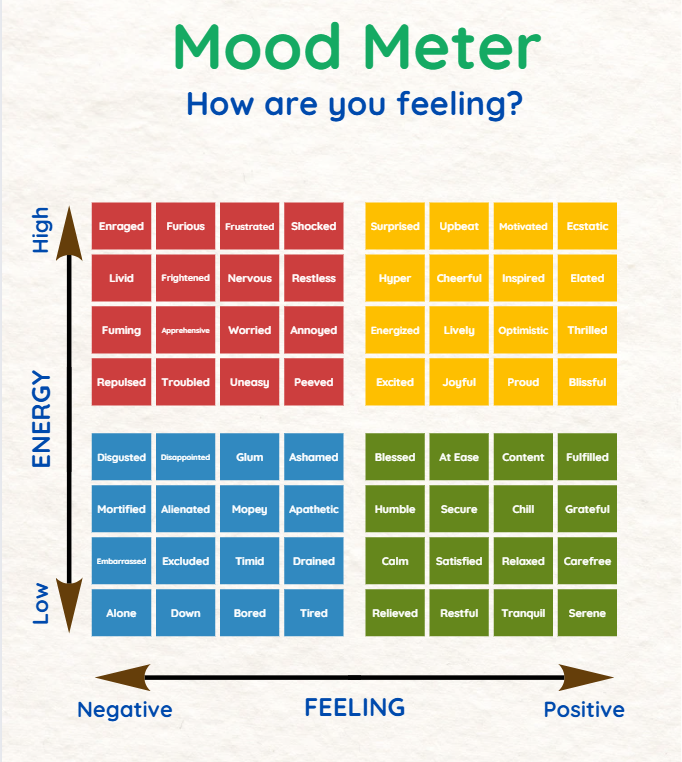
Download our free Mood Meter for your children!
- Make It a Daily Habit:
Start the day by asking kids where they are on the Mood Meter chart. It could become part of a morning routine at school or home. - Discuss Emotions Openly:
If a child is in the red or blue zone, encourage them to talk about what made them feel that way. Suggest coping strategies or ways to change their mood if needed. - Incorporate Creativity:
Kids love visuals! Create a Mood Meter meme with their favorite characters, or let them draw their own emotion quadrants. - Use Apps for Support:
Digital tools like the Mood Meter app make it even easier to track emotions on the go.
Bringing the Mood Meter to Life
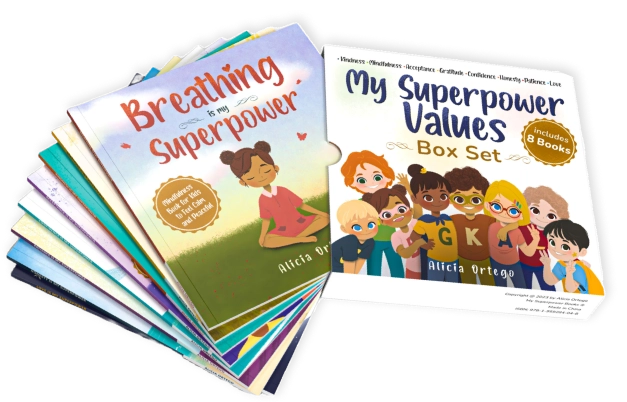
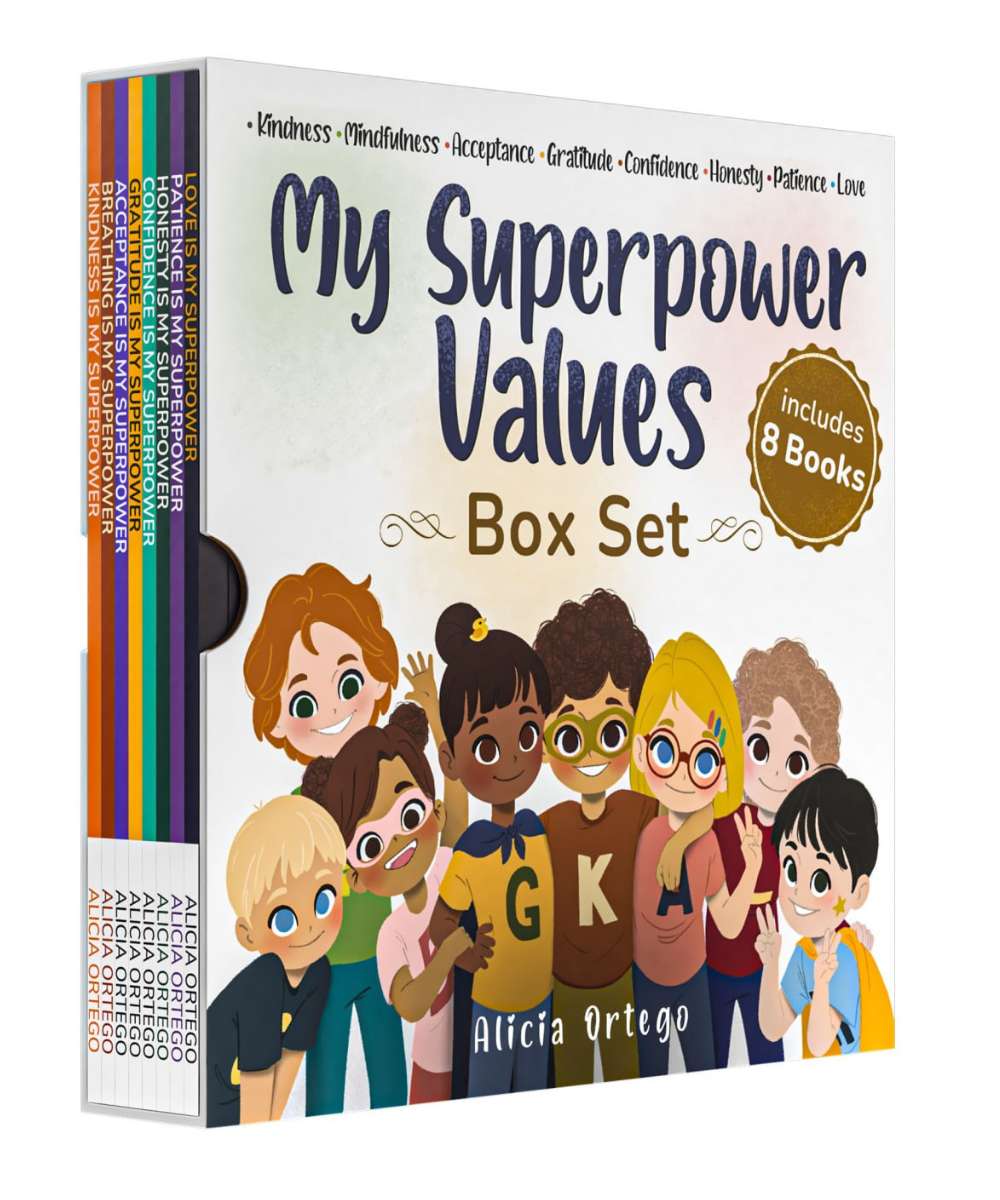
Imagine using the Mood Meter during storytime. For example, while reading Breathing is My Superpower, you can ask your kids how the character might feel during moments of stress or calm. Would they place themselves in the blue zone when they’re overwhelmed or the green zone when they practice mindful breathing? This exercise makes the experience interactive and helps children connect emotions to their actions.
You can also complement this activity with other books from the My Superpower series. Titles like Kindness is My Superpower and Listening is My Superpower offer stories that help kids practice empathy, attentive listening, and emotional awareness, making the Mood Meter exercises even more meaningful. The full My Superpower box set includes engaging stories on gratitude, honesty, and kindness—perfect for building a well-rounded emotional toolkit.
For more practical ways to teach kindness, check out our article on The Kindness Calendar Adventure for Kids. Emotional awareness and kindness go hand in hand, fostering a happier and more supportive environment for children.
Why It Matters
Helping children identify and understand their emotions is one of the most meaningful gifts we can give. The Meter isn’t just a tool; it’s a bridge to better relationships, stronger self-awareness, and lifelong emotional well-being.
So, where are you on the Mood Meter today?
More articles

Creativity, motor skills, and sociability: these are the advantages of introducing your kids to cooking
Some of the best family memories happen in the kitchen. Flour on the counter, a kid proudly stirring something that smells incredible, a mess that somehow doesn’t matter — these moments are small, but they add up. Cooking together is one of those rare activities that’s genuinely fun for kids and quietly powerful for their […]
How to Raise a Book Lover: Simple Habits That Make Reading Stick
Raising a child who genuinely loves reading is one of the most rewarding gifts a parent can give. It is also one of the most misunderstood. Many parents assume that reading is something children either naturally take to or don’t, but research and lived experience tell a different story. A love of books is built. […]
Family Bike Trips: How Parents and Children Can Ride Safely Together
Summer is the perfect excuse to get kids outside and make a real day of it. Hop on bikes, ride down to the river, spread out a picnic blanket, read a book under a tree, feed the ducks — and that’s already a day a child will remember for years. The bike is just a […]