Family Bike Trips: How Parents and Children Can Ride Safely Together

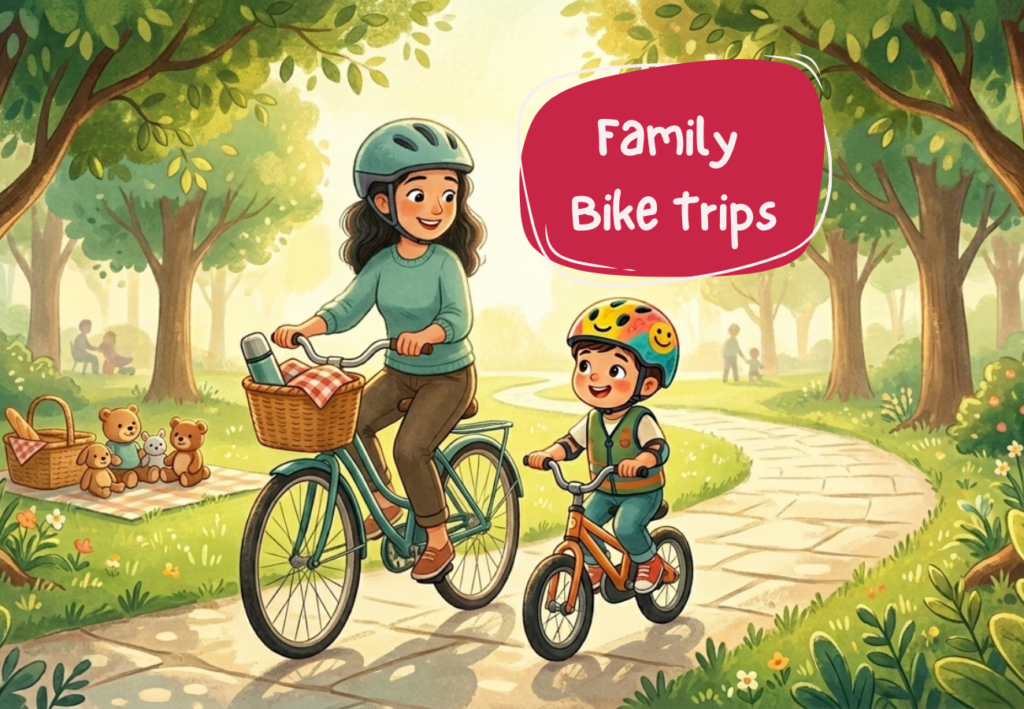
Summer is the perfect excuse to get kids outside and make a real day of it. Hop on bikes, ride down to the river, spread out a picnic blanket, read a book under a tree, feed the ducks — and that’s already a day a child will remember for years. The bike is just a way to get there. No need to go far or spend much: a quiet path, fresh air, and time together do the rest.
For kids, a bike ride is also quiet learning — how to read a route, follow rules, manage their own pace, and handle small challenges along the way. For parents, it’s one of the easiest ways to spend real, unhurried time with a child, away from screens and schedules.
The best family rides aren’t always the longest. They’re the ones everyone wants to do again.
Choose a Route That Fits Your Child
Safety and comfort come before distance. Quiet neighborhood streets, park paths, riverside trails, and dedicated bike lanes work much better than roads with heavy traffic.
Before heading out, think through a few basics: Is the path wide enough for steady riding? Are there too many cars or sharp turns? Are there places to stop and rest? Can the route be shortened if your child gets tired?
Start with familiar places — after a few trips on the same path, kids begin to know where to slow down and where they can relax. Confidence builds on its own from there.
Keep the Pace Comfortable
Most rides become stressful not because the route is too long, but because the pace is too fast. Kids need time to stop, look around, and occasionally pause when something catches their eye. Set the pace around whoever needs the most support, and plan a few natural stopping points along the way. Those pauses — a bench, a shady spot, a small playground — are often where the best memories come from, not the distance covered.
Use Simple Rules to Build Safe Habits
Simple, repeatable rules work far better than long explanations. Before heading out, go over the basics:
- Helmet every time — no exceptions
- Stay where the parent can see you
- Slow down before intersections and crowded areas
- Stop fully when a parent says stop
- Keep both hands on the handlebars
Short phrases like “slow down and look” or “single file here” are easy to remember in the moment. And kids pick up a lot just by watching — when parents stop carefully, check before crossing, and pass others politely, children follow naturally.
Pack Light, But Pack Smart
A few basics make a real difference: water, a snack, sunscreen, a small first-aid kit, and a phone. If the weather might shift, add a light jacket.
Thirst or too much sun can turn a great ride into a difficult one faster than any tough trail. Start short and easy, especially the first few times, and build from there.
As Kids Grow, the Ride Changes Too
Younger children do well with a child seat, a trailer, or short slow rides close to home. But as kids get older, something shifts — they want more independence, and they care about whether the bike actually fits them and feels right.
For families riding park paths, neighborhood streets, or relaxed weekend routes, bike fit and ease of use become genuinely important for older kids and teens. It’s worth paying attention to whether the frame is easy to step over, whether the seat height feels comfortable, and whether it’s something a teen would actually want to ride again.
For families looking at options, the Macfox M16 is a well-suited electric bike for teen riders — with an approachable frame, 16×4.0 fat tires for stability, and a style that appeals to teens who care about how their bike looks and feels. It works best on neighborhood streets, park paths, and short family outings rather than heavy traffic or high-risk roads.
As with any bike for a teen, it’s worth checking local laws, school rules, and real riding experience first. Safe habits and good route choices always matter most.
Make the Ride Feel Like an Adventure
Kids stay engaged when a ride has a small purpose. Give each outing a simple goal:
- Ride to a nearby park, café, or river spot
- Count how many dogs, bridges, or benches you pass
- Find five different colors of flowers
- Pack a snack and stop for a picnic
- Ride to the farmers market or library
Instead of “how far do I have to go?”, a child starts thinking “let’s see what we find.” For nervous riders, a playful goal takes the pressure off completely.
Build Responsibility Along the Way
Kids can learn to check their helmet before leaving, bring their water bottle, and put the bike away after the ride. Older kids can help check the tires or suggest a rest stop. These habits work because they’re connected to something real — when a child is prepared, the whole outing goes more smoothly, and they can feel that.
Every ride also brings small emotional moments: accepting a shorter route than hoped, waiting for someone going slowly, finding the courage to try a new path. These moments are easy to overlook, but they add up.
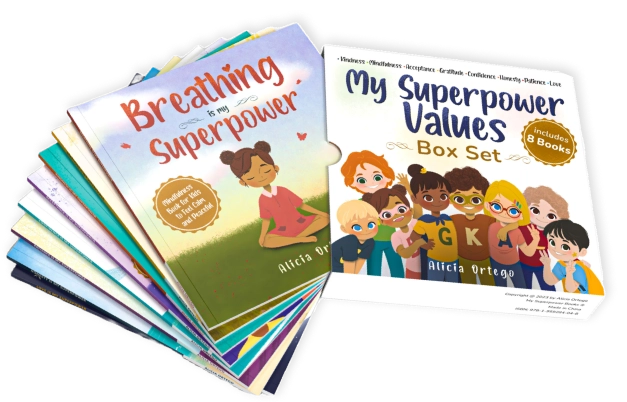
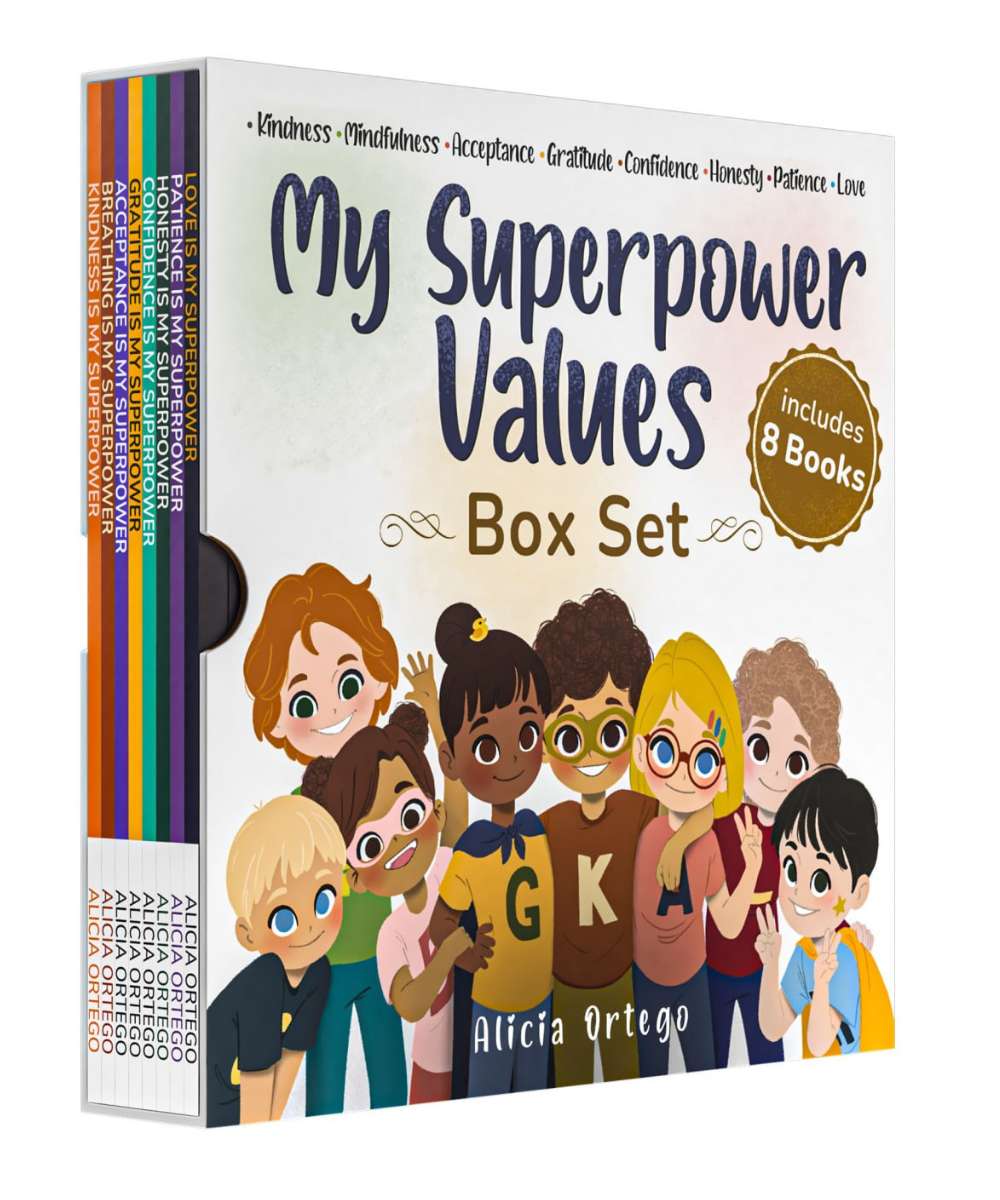
It’s something we think about a lot at aliciaortego.com — which is why we love Perseverance Is My Superpower. It’s a children’s book for ages 4–8 about facing challenges with courage and not giving up. The message — “I can do hard things” — fits perfectly into any ride where a child is learning exactly that.
Know When to Head Home
End the ride before everyone is exhausted. A successful family ride doesn’t have to be long — it just has to finish with kids feeling capable and ready to go again.
Watch for the signs: losing focus, hunger, tiredness, or when the ride starts feeling like work rather than fun. Heading back early isn’t a failure. It’s good judgment — and kids notice when their needs are taken seriously.
Final Thoughts
Family biking gives back more than it asks for — movement, connection, time away from screens, and a chance to turn ordinary places into small memories. A riverside path, a sunny afternoon, a quick ride after dinner.
The best rides aren’t the longest. They’re the ones that fit the child, match the family’s rhythm, and leave everyone ready to go again.
More articles
Family Reading Night Ideas: 40 Fun Activities for Schools and Families
Family Reading Night is one of the simplest ways a school can turn reading from a homework chore into something a whole family looks forward to. When it’s done well, kids see their parents excited about books, parents see how their children read and think, and teachers get a rare evening where the whole community […]
How Art Activities Help Kids Build Confidence
Every parent has watched their child hesitate before trying something new. Maybe it was raising a hand in class, joining a game at the playground, or simply saying hello to another kid. Confidence is not something children are born with. It is a skill they build, one small success at a time. And few places […]
15 Proven Reading Motivation Techniques That Help Kids Love Reading
You’ve tried setting aside reading time. You’ve bought the books. You’ve offered rewards. And your child still stares at the wall, fidgets, or finds literally anything else to do the moment a book appears. You’re not doing it wrong. And your child isn’t broken. Getting kids genuinely interested in reading is one of the most […]