How to Raise a Book Lover: Simple Habits That Make Reading Stick

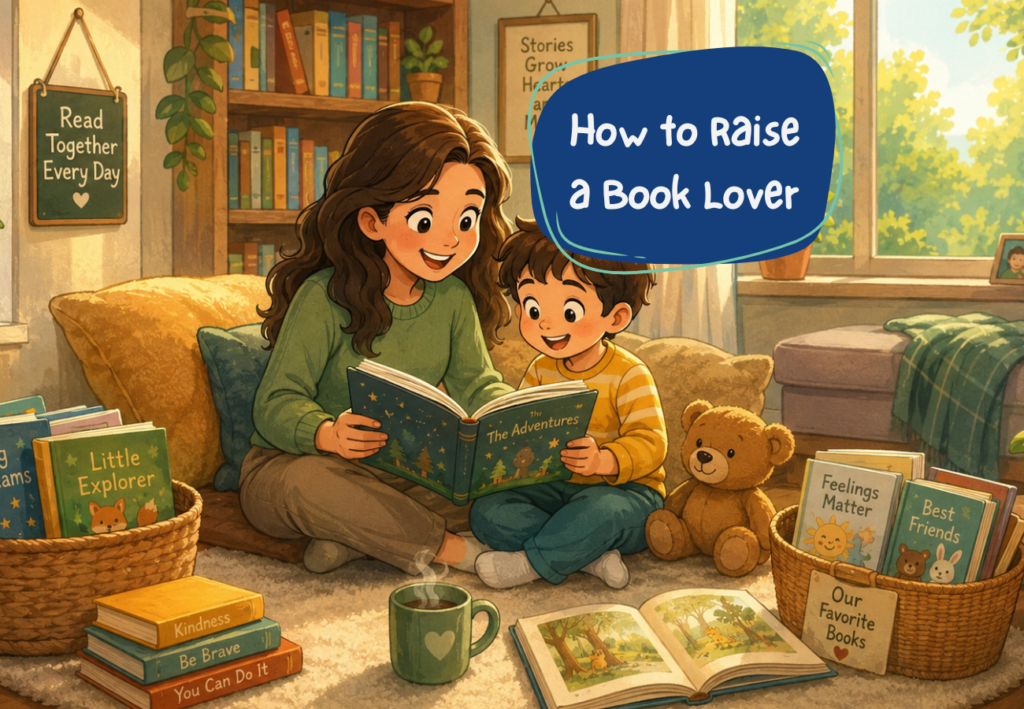
Raising a child who genuinely loves reading is one of the most rewarding gifts a parent can give. It is also one of the most misunderstood. Many parents assume that reading is something children either naturally take to or don’t, but research and lived experience tell a different story.
A love of books is built. It grows from small, consistent habits practiced day after day, often during the quietest moments of family life. The good news is that none of these habits requires extra money, special training, or perfectly behaved children.
What they do require is intention. If you want your child to grow into someone who picks up a book before a screen, the habits below offer a gentle, practical roadmap.
Start Earlier Than You Think You Should
Many parents wait until their child is verbal to begin reading aloud. By then, you have already missed years of valuable bonding time.
Reading to infants helps them associate the sound of your voice with comfort, safety, and curiosity. The rhythm of a story, the cadence of language, and the warmth of being held create a foundation that no app can replicate.
Storytime is also where the seeds of emotional awareness are planted. This guide to emotional intelligence at home explores how these small daily moments shape a child’s inner world.
Even ten minutes a day before naps or bedtime is enough to begin shaping a lifelong reader.
Make Books Physically Present in Your Home
Children read what is in front of them. If books are tucked away in a closet or only appear at bedtime, they become a chore rather than a companion.
Keep paperbacks and picture books in low baskets, on coffee tables, in the car, and beside their favorite reading spot. The goal is not a perfectly curated shelf. It is easy, constant access.
Rotate titles every few weeks to keep things fresh. A book that felt boring in March often becomes a favorite by July when reintroduced.
Teach Kids to Treasure the Books They Love
Children naturally form attachments to certain stories. A worn-out copy of a favorite picture book often becomes a comfort object, something they want to take everywhere.
This is a beautiful instinct to encourage, but it also means books take a beating. Sticky fingers, juice spills, sandboxes, and backpack zippers all leave their mark.
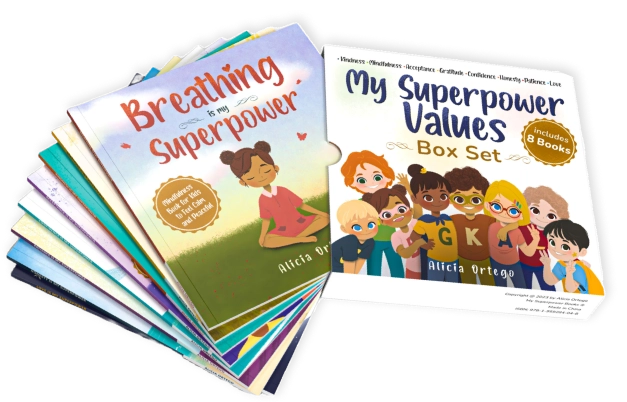
Teaching children to care for their books is a quiet lesson in stewardship. A padded, water-resistant book pouch goes a long way toward keeping your paperbacks safe during everyday adventures, helping treasured picture books and bedtime story collections survive countless rereads, road trips, and grandparent visits.
When children see that books are worth protecting, they begin to treat reading itself as something worth protecting.
Read Aloud Past the Age You Think You Should Stop
Many parents stop reading aloud the moment their child learns to read independently. This is a missed opportunity.
Reading aloud to a child of seven, eight, or even ten lets you tackle books just beyond their reading level. It builds vocabulary, strengthens comprehension, and keeps the shared ritual alive.
It also gives you a window into their inner world. Children often open up about feelings during read-aloud time that they would never raise at the dinner table. The book becomes the bridge.
Choose Books That Spark Conversation
Look for stories that touch on emotions, friendships, kindness, and resilience. Picture books that explore feelings give children the language they need to name what is happening inside them.
This is also a gentle way to weave in lessons about empathy and patience. Stories that mirror real childhood experiences make the lessons land far more naturally than any lecture could.
Let Kids See You Reading
Children imitate what they observe. If they only ever see you scrolling, they will assume that screens are where adults find pleasure and rest.
Read a magazine on the couch. Bring a paperback to the park. Talk about what you are reading, even briefly, at dinner.
You do not need to perform. Children pick up on authentic enthusiasm faster than any orchestrated lesson. When reading looks like joy, they want in.
Build a Portable Reading Habit
Some of the best reading moments happen outside the home. Waiting rooms, long car rides, plane trips, and quiet afternoons at the beach all become opportunities when a book is within reach.
Pack one for every outing. Keep a small selection in the car or in a tote bag by the door. Make it as automatic as packing water bottles.
The more places your child reads, the more reading becomes a habit woven into life rather than a task tied to a specific room.
Respect Their Choices, Even the Weird Ones
If your child wants to read the same dinosaur book forty-seven times, let them. If they prefer graphic novels, joke books, or stories about bugs, follow their lead.
The goal at this stage is not literary taste. It is the simple act of returning to books again and again because they bring pleasure.
Forcing a particular kind of reading is one of the fastest ways to kill the love of it. Trust your child’s instincts and let their tastes evolve naturally.
Celebrate Reading Without Making It a Reward
Avoid using reading as a chore that earns screen time. That framing teaches children that books are work and screens are play.
Instead, celebrate finishing a book the way you might celebrate any small joy. A high five, a chat about the ending, a trip to the library to find the next one.
Reading should feel like part of the rhythm of being together, not a transaction.
The Long View
Raising a book lover is not about pushing harder. It is about creating a home where stories are present, valued, and shared.
The data backs this up. According to the Scholastic Kids & Family Reading Report, the biggest predictors of a child becoming a frequent reader are their own enjoyment of reading and being surrounded by reading role models at home.
The children who grow into lifelong readers almost always come from homes where books were touched, talked about, and treated with care. None of that requires perfection. It just requires showing up, page after page, year after year. The habit you build today is the reader they become tomorrow.
More articles
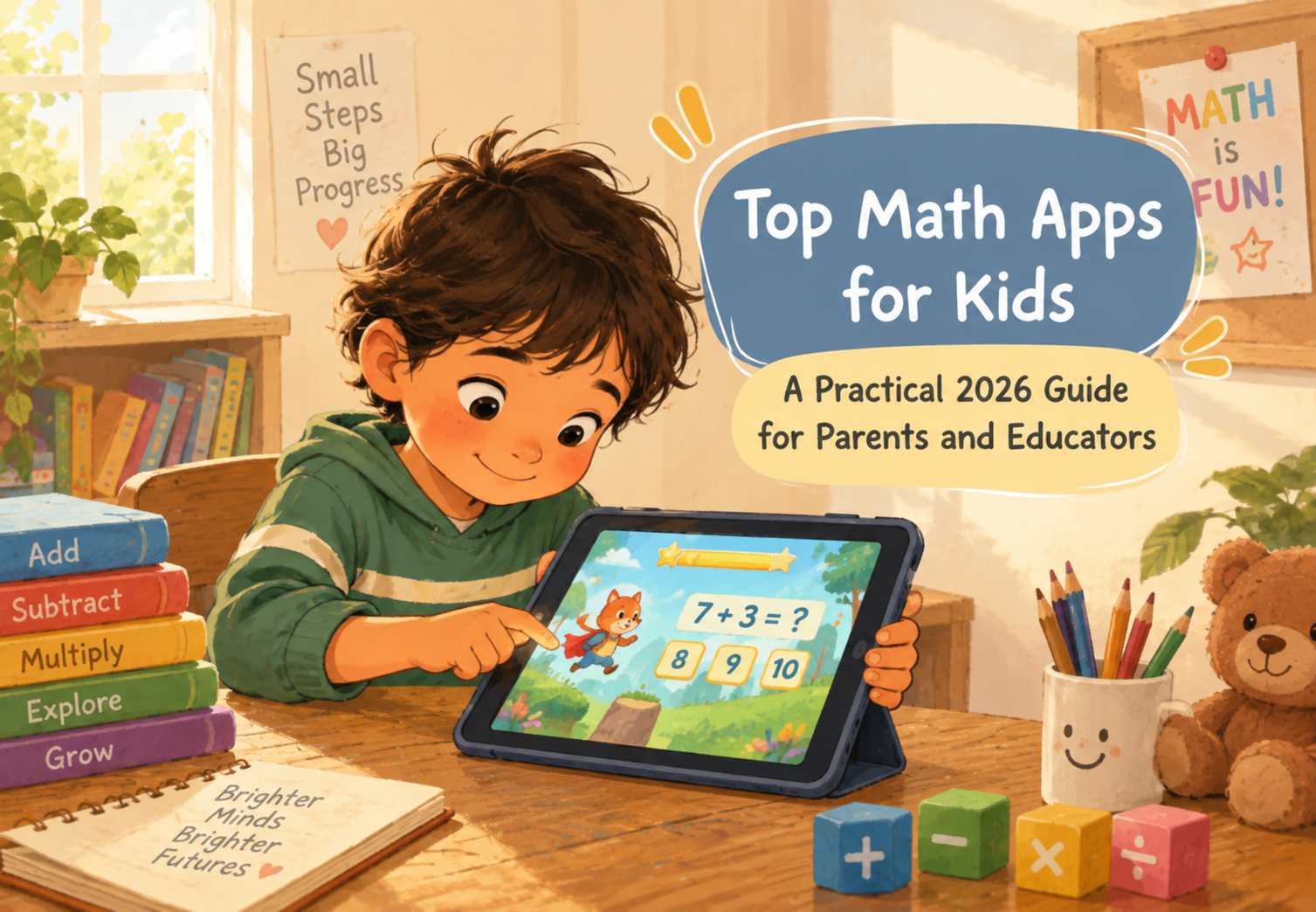
Top Math Apps for Kids: A Practical 2026 Guide for Parents and Educators
Finding a good math app for your child sounds simple until you actually start looking. Some apps are little more than worksheets dressed up with cartoons and rewards. Others are entertaining games where the educational part feels like an afterthought. The best math apps for kids sit somewhere in the middle: children genuinely want to […]
The Calm, Prepared Parent: Why CPR Training Belongs Beside Emotional Intelligence Lessons
My daughter once told me her feelings were “too big for her body.” She was four, fresh off a picture book that teaches kids to name what they feel instead of melting down. It’s a lovely lesson for parents, teachers, and daycare providers to pass along. But here’s the question that stopped me cold: if […]
Creating a healthier rhythm between screens, play, and rest
It is five o’clock, homework is finished, and your child asks for the tablet. The device has already been used for school, but a favorite game or video may also be how your child relaxes at the end of a long day. Moments like this can make screen decisions feel more complicated than they need […]