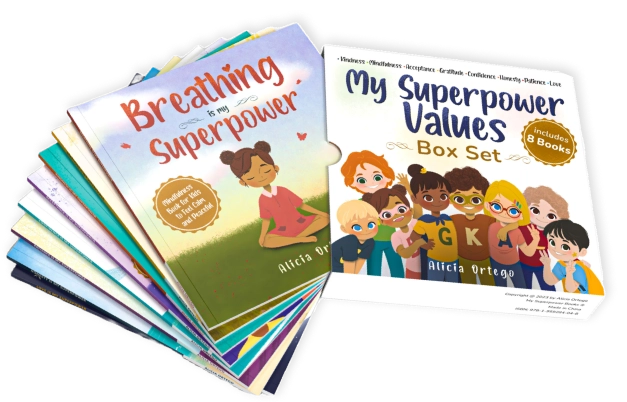
The Best SEL Picture Books for Kids: Top Social Emotional Learning Books for Every Classroom

Social-Emotional Learning (SEL) is most powerful when children can see feelings, empathy, and real-world challenges represented in stories. Using SEL picture books during read-aloud time is one of the most effective ways to nurture emotional intelligence, communication skills, and self-awareness in young learners. Whether you’re a teacher, parent, or school counselor, choosing the right social emotional learning books can make a tremendous difference in helping children process emotions and navigate relationships.
In this guide, you’ll discover the best books for social emotional learning, how to use them in the classroom, and why SEL books for kids are essential to building a strong emotional foundation.
Why SEL Picture Books Are Essential for Children
Children learn through storytelling. When they watch characters struggle, make mistakes, and grow emotionally, they internalize those lessons naturally. The best SEL picture books help kids:
- Identify and name emotions
- Develop empathy and perspective-taking
- Practice self-regulation
- Understand friendship and conflict resolution
- Build resilience and confidence
By incorporating social emotional learning books into daily routines, educators create safe spaces for meaningful conversations about feelings and behavior.
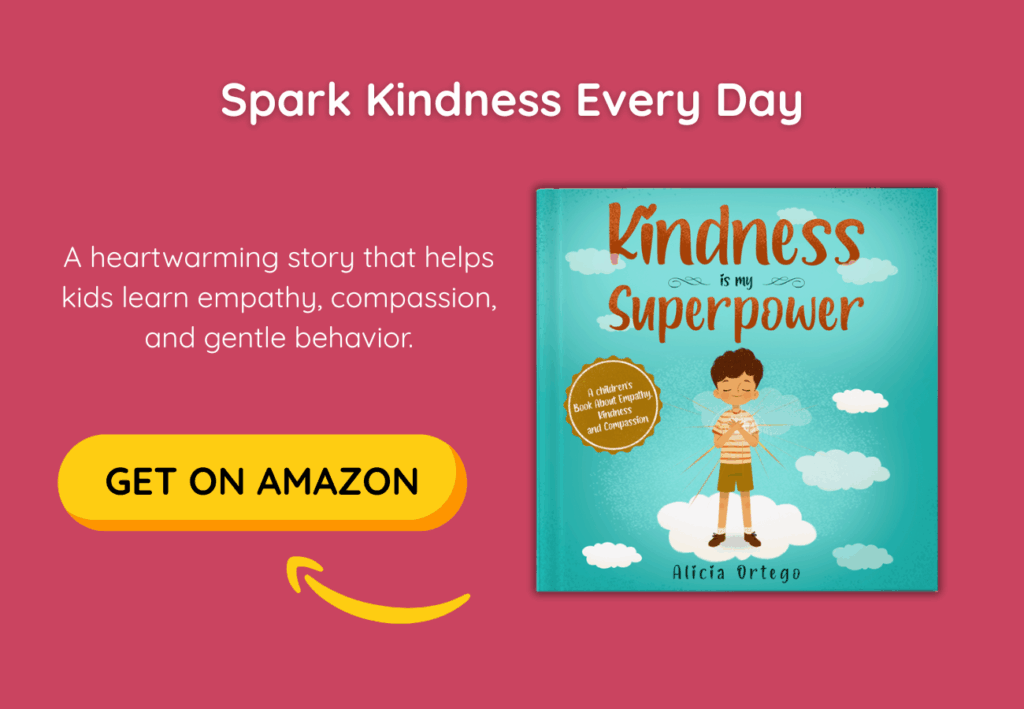
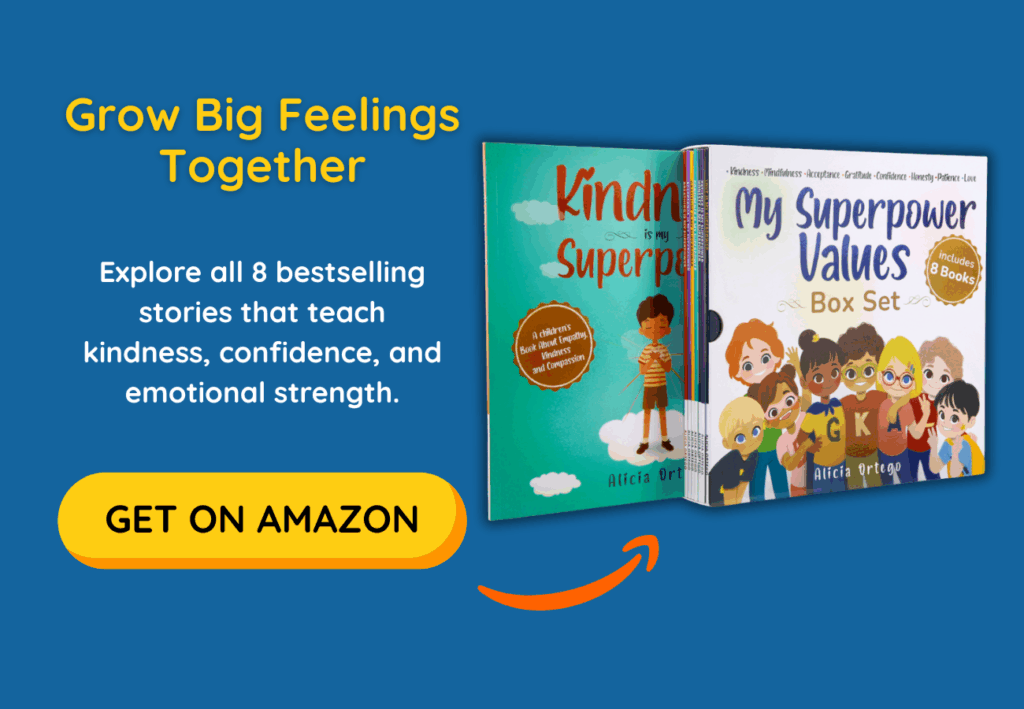
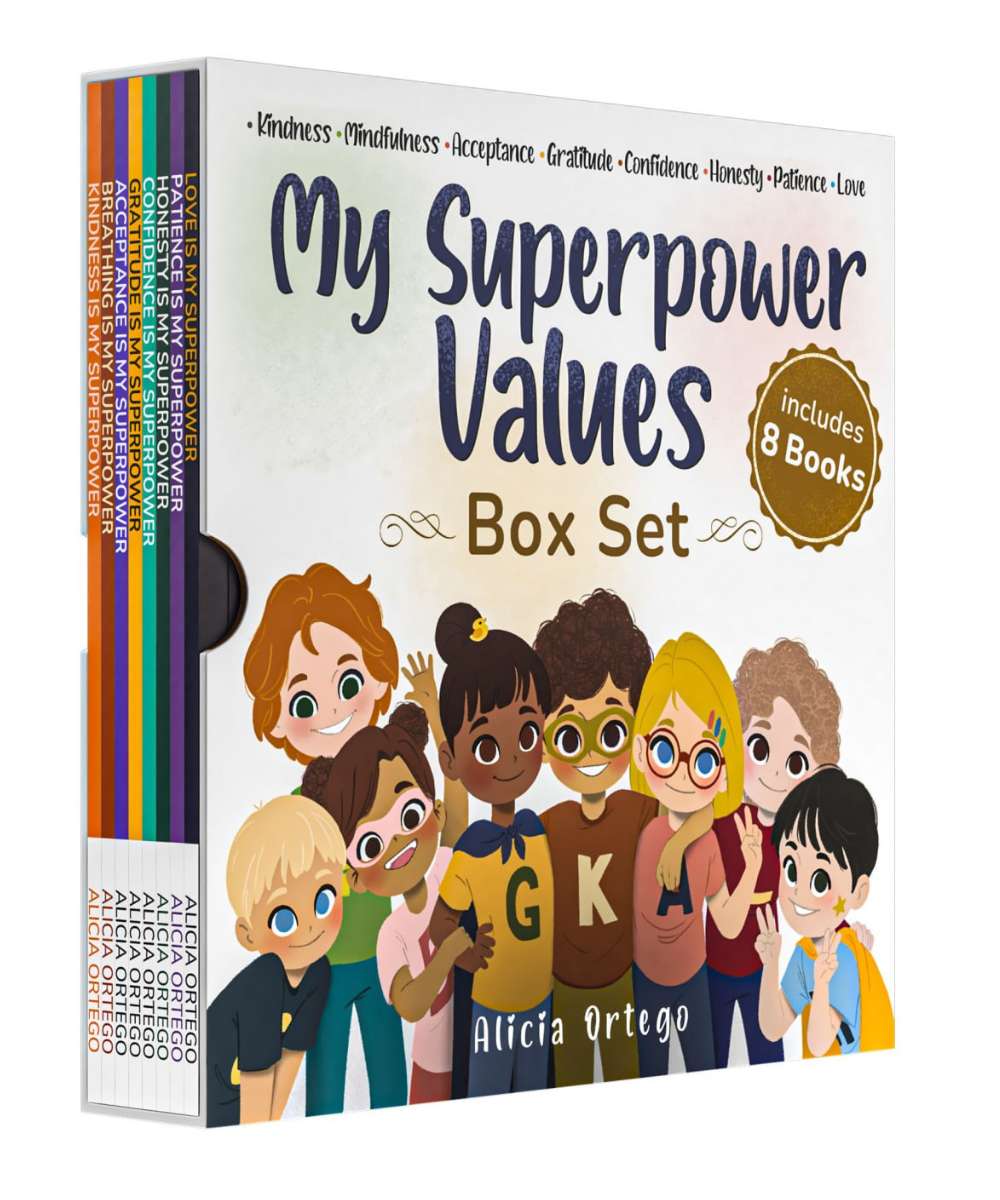
In addition to widely known SEL picture books, many educators also use simple, story-based titles specifically designed to reinforce emotional skills through everyday situations. For example,
Kindness Is My Superpower helps young children recognize kind behaviors, understand emotions, and practice empathy in a way that feels accessible during read-aloud time.
Top SEL Picture Books Every Teacher Should Own
Here are some of the most impactful SEL books for kids, organized by key SEL competency:
1. Self-Awareness: Understanding Emotions & Identity
“The Color Monster” by Anna Llenas
A beautifully illustrated book that helps children identify different emotions using colors.
Why it works: Perfect for young learners beginning to name their feelings.
“Today I Feel…” by Madalena Moniz
A simple, engaging alphabet of emotions.
Great for: Expanding emotional vocabulary.
2. Self-Management: Coping Skills & Regulation
“When Sophie Gets Angry—Really, Really Angry…” by Molly Bang
Shows children how to handle big emotions in healthy ways.
SEL focus: Anger management and calm-down strategies.
“Breathe Like a Bear” by Kira Willey
Teaches mindfulness and breathing exercises for kids.
Why it’s effective: Supports classroom calm and emotional control.
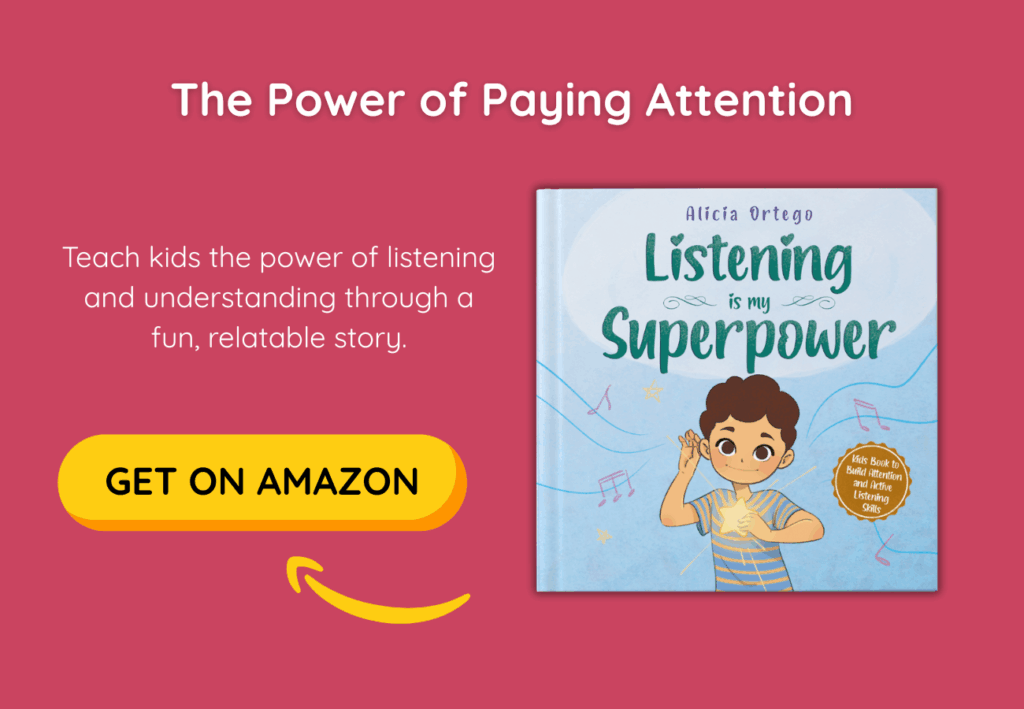
Story-based books can make self-regulation strategies even more concrete for young learners. A title such as Listening Is My Superpower supports lessons on emotional control by showing children how active listening can help them understand others, manage emotions, and respond thoughtfully — a practical skill for both classroom and home.
3. Social Awareness: Empathy & Understanding Others
“Those Shoes” by Maribeth Boelts
A touching story that teaches empathy, kindness, and generosity.
SEL focus: Understanding others’ needs and feelings.
“Each Kindness” by Jacqueline Woodson
Encourages reflection on how small acts of kindness matter.
Best for: Classroom discussions on compassion and inclusivity.
4. Relationship Skills: Friendship & Communication
“The Invisible Boy” by Trudy Ludwig
Explores how loneliness feels and the importance of including others.
Impact: Builds empathy and fosters stronger classroom relationships.
“Enemy Pie” by Derek Munson
A fun, relatable story about resolving conflicts and making new friends.
SEL focus: Problem-solving and communication.
5. Responsible Decision-Making: Choices & Consequences
“What Should Danny Do?” by Ganit & Adir Levy
An interactive “choose your own story” book about consequences.
Great for: Teaching decision-making and accountability.
“The Bad Seed” by Jory John
A humorous story about a seed who learns he can choose to change.
Lesson: Mistakes don’t define you—growth mindset matters.
How to Use Social Emotional Learning Books in the Classroom
To get the full benefit of books for social emotional learning, try these simple strategies:
1. Read-Aloud Discussions
Pause during the story to ask:
- “How do you think the character feels right now?”
- “What would you do in this situation?”
2. Emotion Mapping
Have students track how a character’s feelings change throughout the story.
Great for: Building emotional awareness.
3. SEL Journaling
After reading, ask students to write or draw:
- A time they felt the same as the character
- What they learned from the story
4. Role-Playing Activities
Recreate problem-solving scenes to practice communication and empathy.
5. Calm-Down Corner Integration
Display SEL picture books in a calm-down area for independent reflection.
Why SEL Books for Kids Improve Behavior and Learning
Research consistently shows that children who engage with social emotional learning books have:
- Better emotional regulation
- Fewer behavior challenges
- Stronger communication skills
- Improved academic outcomes
- Higher empathy and cooperation
When SEL becomes part of everyday learning, children feel more secure, connected, and ready to learn.
Final Thoughts
Whether you’re stocking a classroom library or building a home reading routine, choosing the right SEL picture books can shape children’s emotional development for years to come. These powerful books for social emotional learning open the door to conversations about big feelings, friendship, resilience, and kindness—skills every child needs.
By incorporating these meaningful SEL books for kids, you’re giving young readers the tools to understand themselves and the world around them.
More articles
Summer Camp Safety: How to Know If Your Child Will Be Protected
Most child harm happens at the hands of someone the child already knows and trusts, and a significant share of sexual abuse involving minors happens between young people themselves. Those facts can make any parent think twice about camp safety. On top of that, not every camp meets the standards families might expect, and some […]
How to Prepare Your Child Emotionally for Back to School (+ Best Back to School Books for Kids)
Back to school is often painted as an exciting milestone—new backpacks, fresh notebooks, new friends. But for many children (and parents), it also brings something less talked about: uncertainty, worry, and emotional overwhelm. If your child suddenly becomes more clingy, quiet, or irritable as the school year approaches—you’re not alone. Back to school anxiety in […]
From Storytime to Social Skills: How Everyday Home Life Builds Emotional Intelligence in Children
Emotional intelligence—the ability to recognize, understand, and manage emotions—is one of the most important skills a child can develop. While schools and structured activities play a role, the foundation of emotional intelligence is built much closer to home. Everyday interactions, routines, and seemingly small moments within family life shape how children perceive themselves and others. […]