Kids aren’t born knowing how to be respectful and thankful. From the day we are born, we hear things such as: “You need to respect old people, your teachers, your parents, etc.” According to Vocabulary.com, Respect is a way of treating or thinking about something or someone. If you respect your teacher, you admire her and treat her well.
So we know we need to respect them. We also know that we need to look up to our parents and copy their behavior.
However, parents often forget that kids are little human beings, and it would be nice to teach them new things in a way they understand the best … during the game. The reason children learn better from games is that they are funny and entertaining, and they require little to no special preparation. For instance, you can even teach kids acceptance through role-playing. If the kid enjoys reading, you can find books about respect.
Stories can also help children understand respect through everyday situations, especially when characters model attentive listening, polite responses, and consideration for others.
Now that we know the definition, let’s move to some fun practical lessons. All the activities presented in the article imply parental control and participation: kids learn from everything they feel and see, and therefore the best way to teach them respect is to be involved in their surroundings.
How to Be Respectful Activities
Here, you may find some interesting activities to teach kids how to be respectful.
Activity 1 – Ketchup Squirt
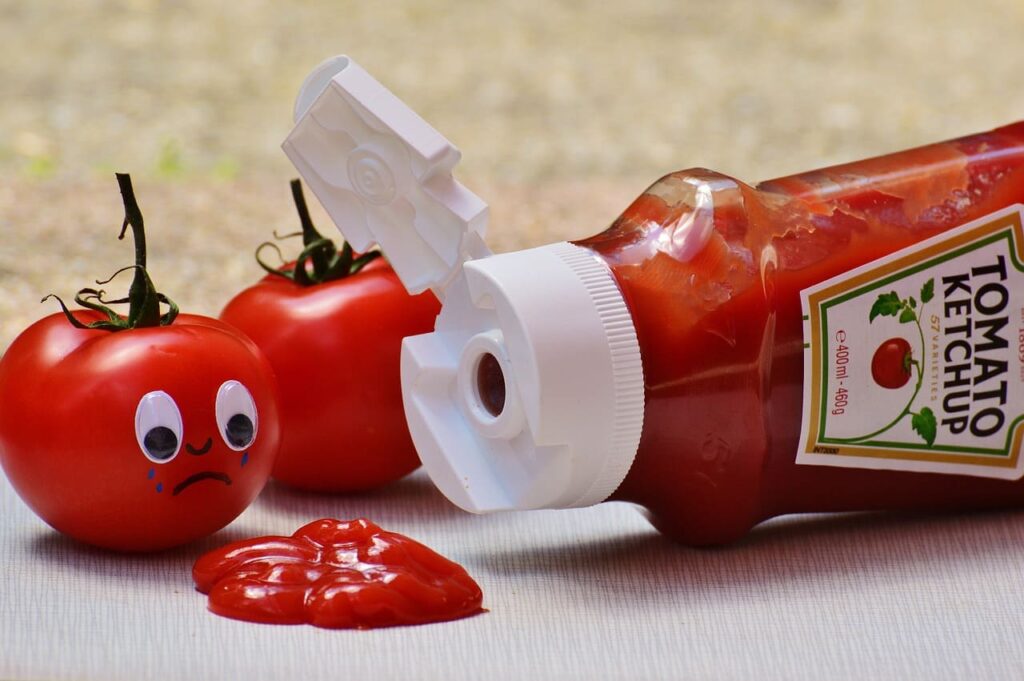
Ketchup Squirt – the point is to show kids that any rude comments or put-downs are not impossible to take back. You may squeeze out the ketchup on the plate and get one of the kids to try to take it back in.
Afterward, you explain that the most important life skill is to get along with others; therefore, it may require patience to hold some thoughts and not let them come out of the mouth. While thoughts remain private, everything people say or do becomes public, and just like ketchup, it is impossible to take them back.
Activity 2 – What respect sounds like
Prepare cards with kind phrases, and get kids to separate the “What respect looks like” from “What respect sounds like”. This is a helpful approach to address the definition of respect practically. Not only will kids learn how to be respectful, but they will also understand how to fix the situation. The simple examples of showing respect are sharing, helping each other, and paying attention to what someone’s been saying; the “sounds” of respect might be “Thank you!”, “Please”, and others. You may focus on the tone of speech as an indicator of tolerance, especially how an angry voice can spoil even a neutral phrase.
Activity 3 – Draw or Write
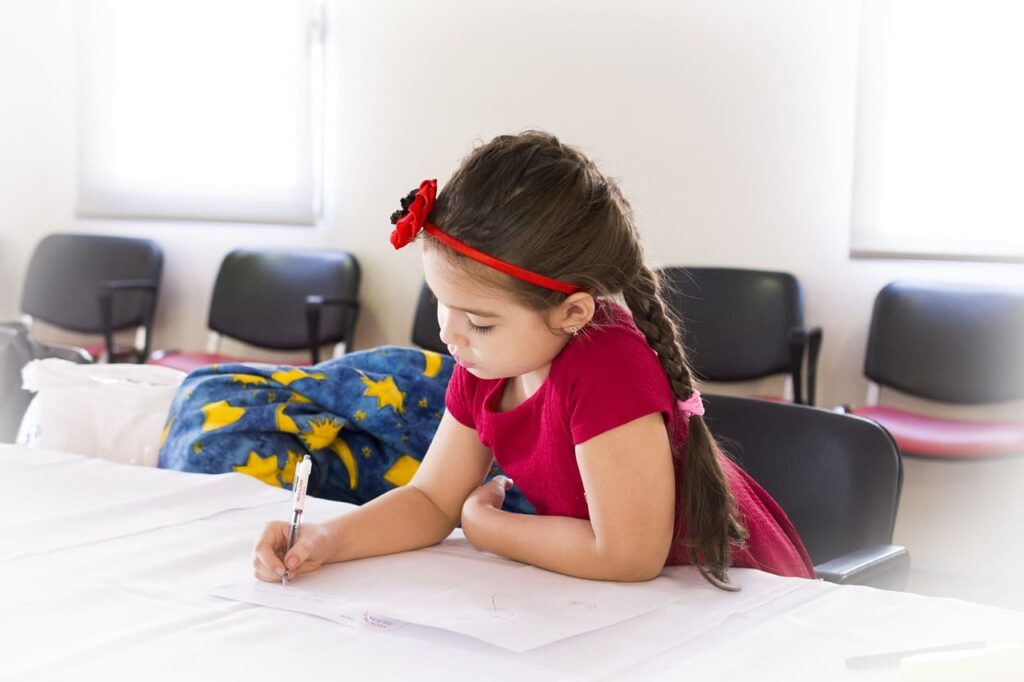
This may seem quite boring, but the idea is to get kids to write or draw as many associations with the word “respect” as possible. In the beginning, kids are full of various ideas. As they progress, their brain cells need to concentrate and think hard about what respect is.
This might also be helpful when you do not know how to deal with a disrespectful grown child. Teaching little kids and grownups are two different things. The last ones have already passed the stage where they are flexible enough to pursue different kinds of behavior. For instance, it’s a lot easier to teach small kids mindfulness than to teach teenagers.
You need to remind children that everyone is alike, and treating others the same way someone wants to be treated is a good tool to earn a good reputation.
You’ll be surprised how many new things you’ll learn about your kid from this activity.
Activity 4 – Role-Playing
Do some role-playing. Take kids to different situations and see how they will act. It is a good way to show respect in real life; you may use examples such as sharing, helping others or apologizing if they’ve done something wrong. Stage different scenarios where your kids must find solutions to resolve the situation most respectfully.
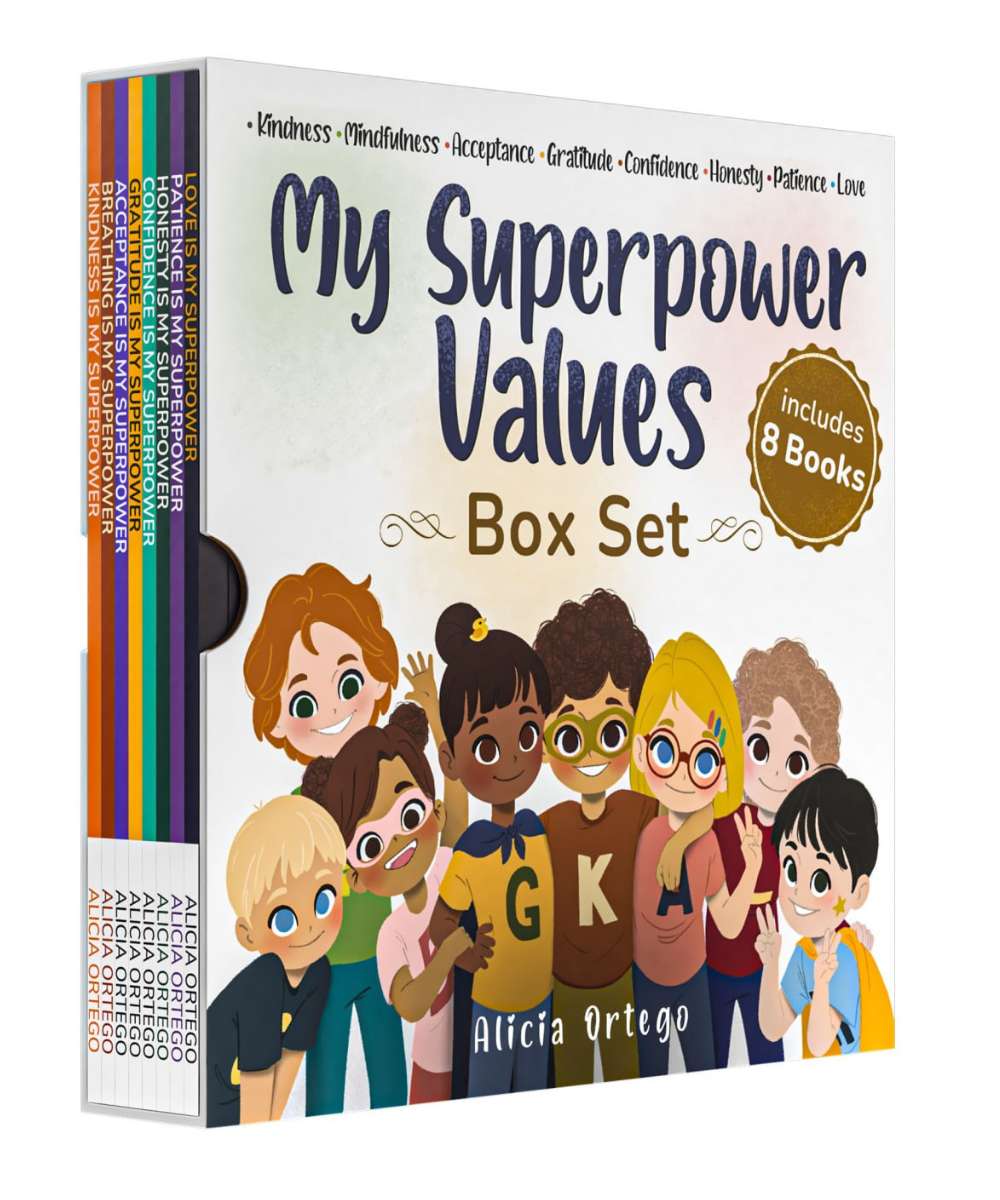
Acting out some scenes from kids’ books would be a cool idea. “Kindness is My Superpower” has just enough examples to demonstrate kindness and respect to your kids.
Respect for Kids: Practice What You Pritch
Herber J Grant once said: “Teaching by precept, without example, is might poor teaching”. Keep that in mind because kids will not be interested in becoming better if you don’t follow the rules you talk about. While doing it playfully, try to transfer the newly obtained skills into life situations, and don’t forget to praise your students for their efforts. After all, we never stop learning, and by sharing our experiences, we make somebody a better version of themselves.
More articles

Creating a healthier rhythm between screens, play, and rest
It is five o’clock, homework is finished, and your child asks for the tablet. The device has already been used for school, but a favorite game or video may also be how your child relaxes at the end of a long day. Moments like this can make screen decisions feel more complicated than they need […]
Family Reading Night Ideas: 40 Fun Activities for Schools and Families
Family Reading Night is one of the simplest ways a school can turn reading from a homework chore into something a whole family looks forward to. When it’s done well, kids see their parents excited about books, parents see how their children read and think, and teachers get a rare evening where the whole community […]
How Art Activities Help Kids Build Confidence
Every parent has watched their child hesitate before trying something new. Maybe it was raising a hand in class, joining a game at the playground, or simply saying hello to another kid. Confidence is not something children are born with. It is a skill they build, one small success at a time. And few places […]