When Do Kids Start Reading? A Parent’s Guide to Early Literacy and Chapter Books

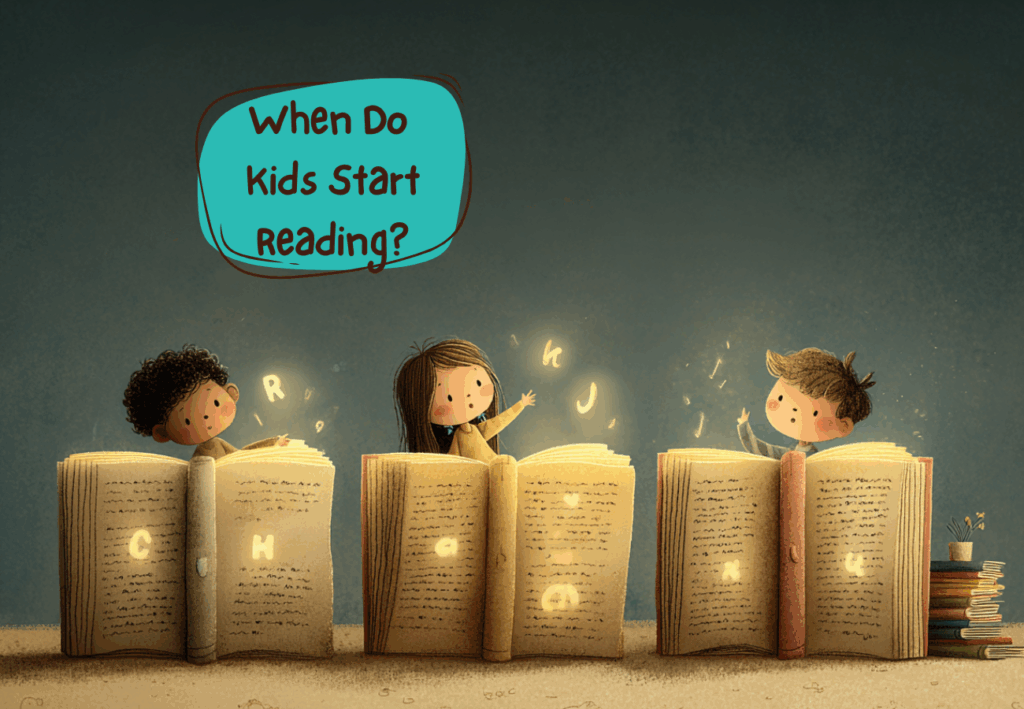
One of the most common questions parents ask is “When do kids start reading?” Understanding reading milestones can help you support your child’s literacy journey with confidence and patience. While every child develops at their own pace, research shows predictable stages of reading growth. From recognizing letters to reading their first chapter book, this guide explains when most kids start reading and what “typical” progress looks like—while reminding families that variation is completely normal.
When Do Kids Usually Start Reading?
Many parents wonder when kids usually start reading, and the answer depends on what we define as “reading.” Early reading involves several steps, including letter awareness, sound recognition, and blending words.
General Reading Milestones
- Ages 3–4: Many children begin recognizing letters, especially those in their name.
- Ages 4–5: Children start connecting letters to sounds and may decode simple words like cat or mom.
- Ages 5–7: This is when most kids start reading sentences and short books with increasing fluency.
- Ages 7–8: Many children transition from “learning to read” to “reading to learn.”
These ranges are guidelines, not rules. Some children read earlier, others later—and both can still develop strong literacy skills.
When Do Kids Start Reading Independently?
Children usually start reading independently between ages 6 and 7, once they develop:
- Phonemic awareness
- Letter-sound fluency
- Sight word recognition
- Basic comprehension skills
However, independent reading looks different for each child. Some kids prefer re-reading books with predictable patterns, while others jump quickly into beginning reader stories.
If your child hasn’t reached this stage yet, there’s no need to worry—steady progress is more important than early mastery.
When Do Most Kids Start Reading Fluently?
Fluent reading typically emerges around ages 7–8, when children:
- Recognize most high-frequency words
- Read with expression
- Understand what they’re reading
- Can retell stories or answer questions
Fluency comes with practice, exposure, and confidence-building experiences at home and school.
When Do Kids Start Reading Chapter Books?
A major milestone parents look forward to is chapter books. But when do kids start reading chapter books on their own?
Most children begin reading chapter books between:
Ages 6 and 9
This depends on:
- Reading fluency
- Stamina
- Vocabulary knowledge
- Interest in longer stories
Early chapter books often include supportive features such as:
- Short chapters
- Larger fonts
- Illustrations
- Simple plot structures
Children don’t need to read chapter books early to be strong readers. Many thrive with graphic novels, leveled readers, or picture books well into elementary school.
Signs Your Child Is Ready for Chapter Books
Your child may be ready for chapter books if they:
- Can read short books independently
- Show interest in longer stories
- Read without frustration
- Retain details from previous chapters
- Ask for books with fewer pictures
Motivation is just as important as skill—children progress faster when they choose books they love.
What to Do If Your Child Isn’t Reading Yet
If your child isn’t reading at the same pace as peers, there is no need for alarm. Every child develops differently. You can support your child by:
- Reading aloud daily
- Playing letter and sound games
- Using decodable books
- Providing books based on interests
- Keeping reading low-pressure and enjoyable
If concerns persist, a teacher, reading specialist, or pediatrician can offer guidance and assessments.
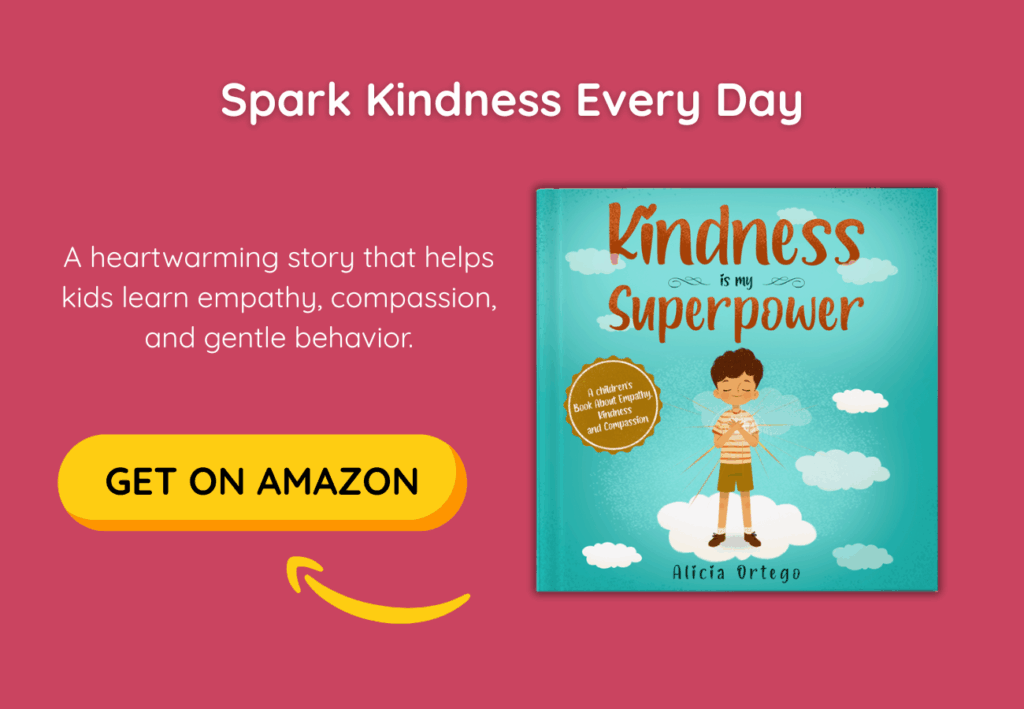
To make reading more engaging, story-based books that also teach social-emotional skills can help children connect with characters and build confidence. For example,
Kindness Is My Superpower encourages empathy and celebrating small successes, making the reading experience motivating and enjoyable.
Factors That Affect When Kids Start Reading
Several factors influence reading development, including:
- Language exposure
- Learning differences (e.g., dyslexia or ADHD)
- Quality of instruction
- Motivation and confidence
- Access to books
- Home literacy routines
Remember: milestones are helpful, but they are not deadlines.
Final Thoughts
So, when do kids start reading? Most begin decoding words between ages 4 and 6, gain independence by ages 6 to 7, and may start reading chapter books between ages 6 and 9. But the truth is simple: every child grows at their own pace.
Whether you’re wondering when most kids start reading or helping your child transition to chapter books, the key is to create a joyful, pressure-free reading environment. Celebrate progress, introduce books your child loves, and watch confidence flourish.
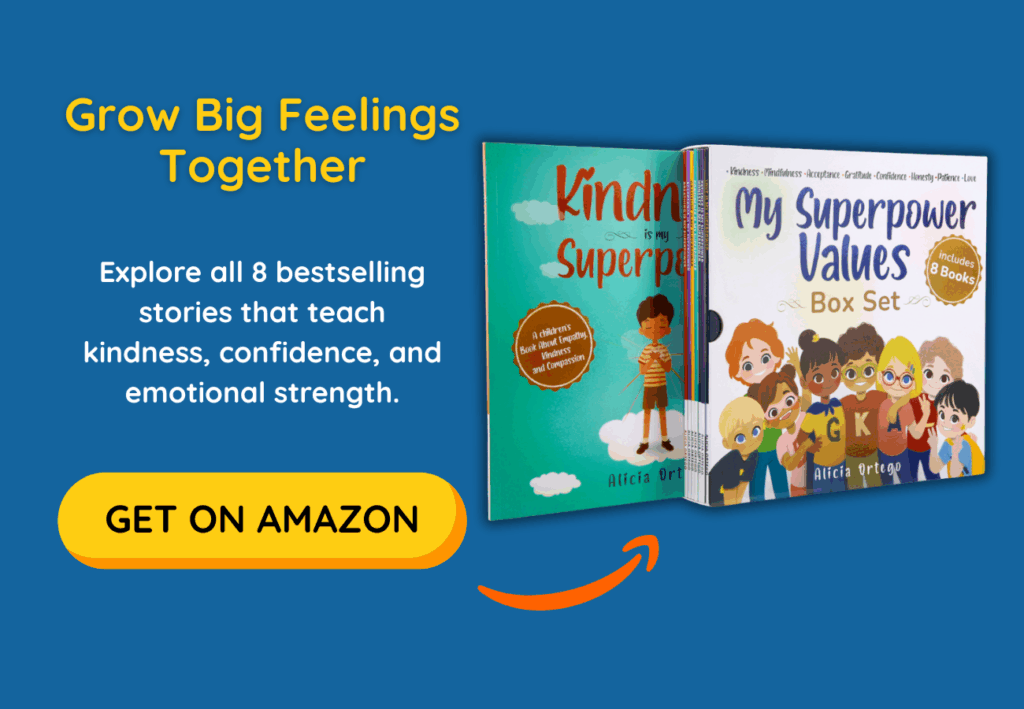
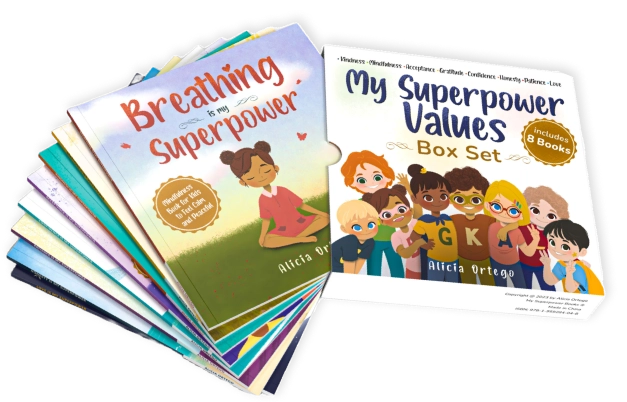
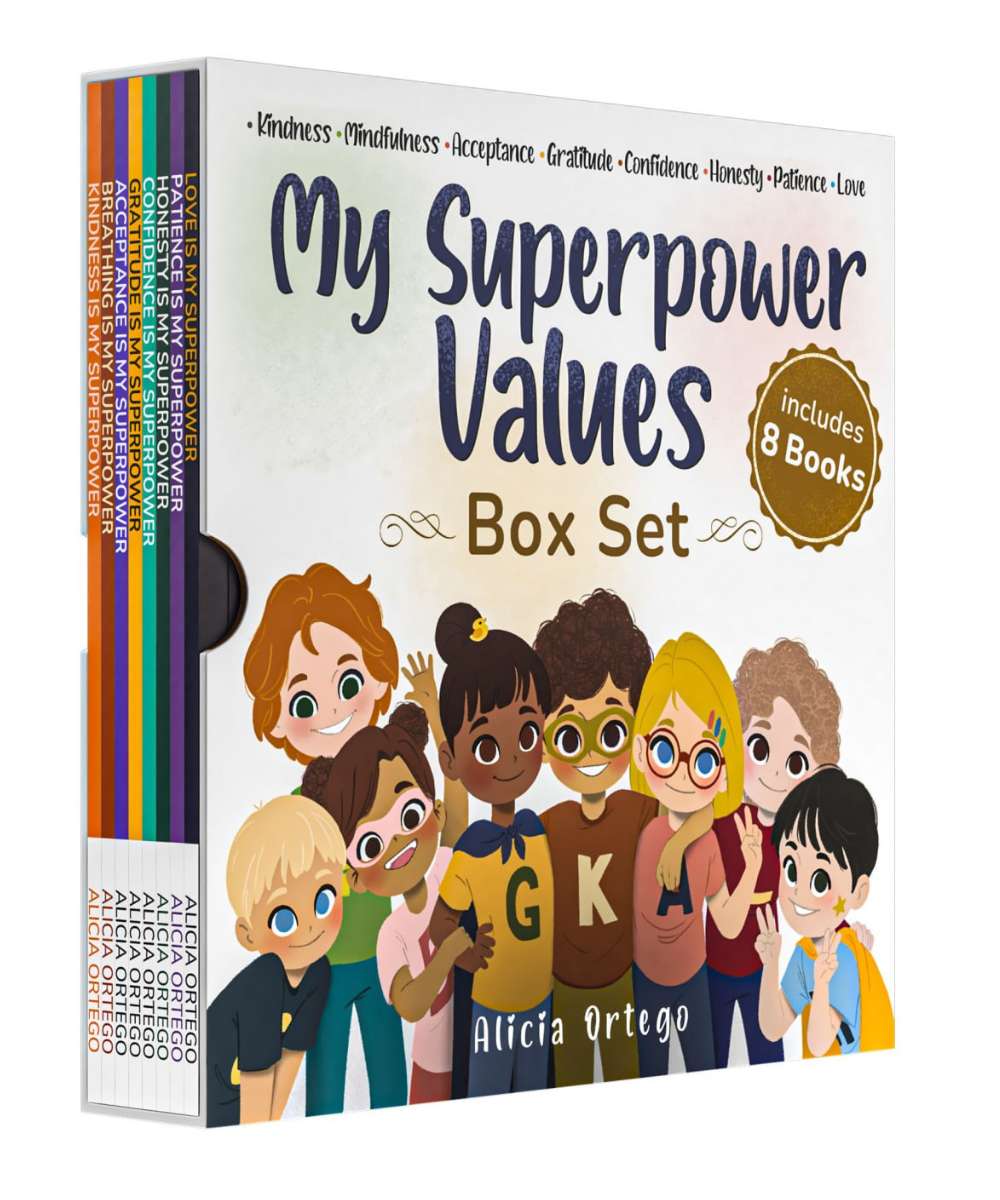
Families may also consider a boxed set of storybooks that combine literacy and social-emotional learning. The My Superpower Books Collection provides stories about kindness, listening, and confidence, perfect for supporting children as they grow into independent readers.
More articles
How Pets Help Children Practice Kindness, Consistency, and Calm
Daily life offers countless small opportunities for children to learn emotional skills, especially through routines that feel safe, meaningful, and consistent. While parents and educators often focus on teaching kindness through words and lessons, children tend to learn best through lived experience. One gentle and powerful way this learning happens is through caring for a […]
Using Outdoor Meals to Spark Conversation and Vocabulary Growth
Have you ever noticed how kids talk more freely when they are sitting outside with a plate of food in their hands? Outdoor meals have a special kind of warmth. The open air, the relaxed mood, and the simple joy of eating together help children speak naturally. It becomes a happy time where new words, […]
The Best ADHD Books for Kids: Supportive Reads for Children and Parents
Supporting a child with Attention-Deficit/Hyperactivity Disorder (ADHD) starts with understanding their world—how they think, feel, and navigate daily challenges. One of the most effective tools for building empathy, resilience, and confidence is reading. The right ADHD books for kids help children feel seen, understood, and empowered. At the same time, high-quality books for parents of […]