Believe in Yourself!
All parents dream of their children growing up healthy and happy. But not everyone realizes that the attitude to life builds up in early childhood. Children can be 100% happier in adulthood.
If parents manage to form the right way of thinking in their little ones, they will be more satisfied with life. I have collected growth mindset activities for kids. You may significantly improve their life with it.
What Is a Growth Mindset for Kids?
We assess our abilities and potential at every turn. The beliefs about ourselves determine our self-esteem. The thoughts can guide behavior which results in consequences.
Both children and adults can lack self-belief. Thus, we miss out on opportunities and take advantage of our potential only halfway. Actually, we can teach many values to kids such as:
The good news is that a growth mindset can be learned as well.
Fixed vs. Growth Mindset
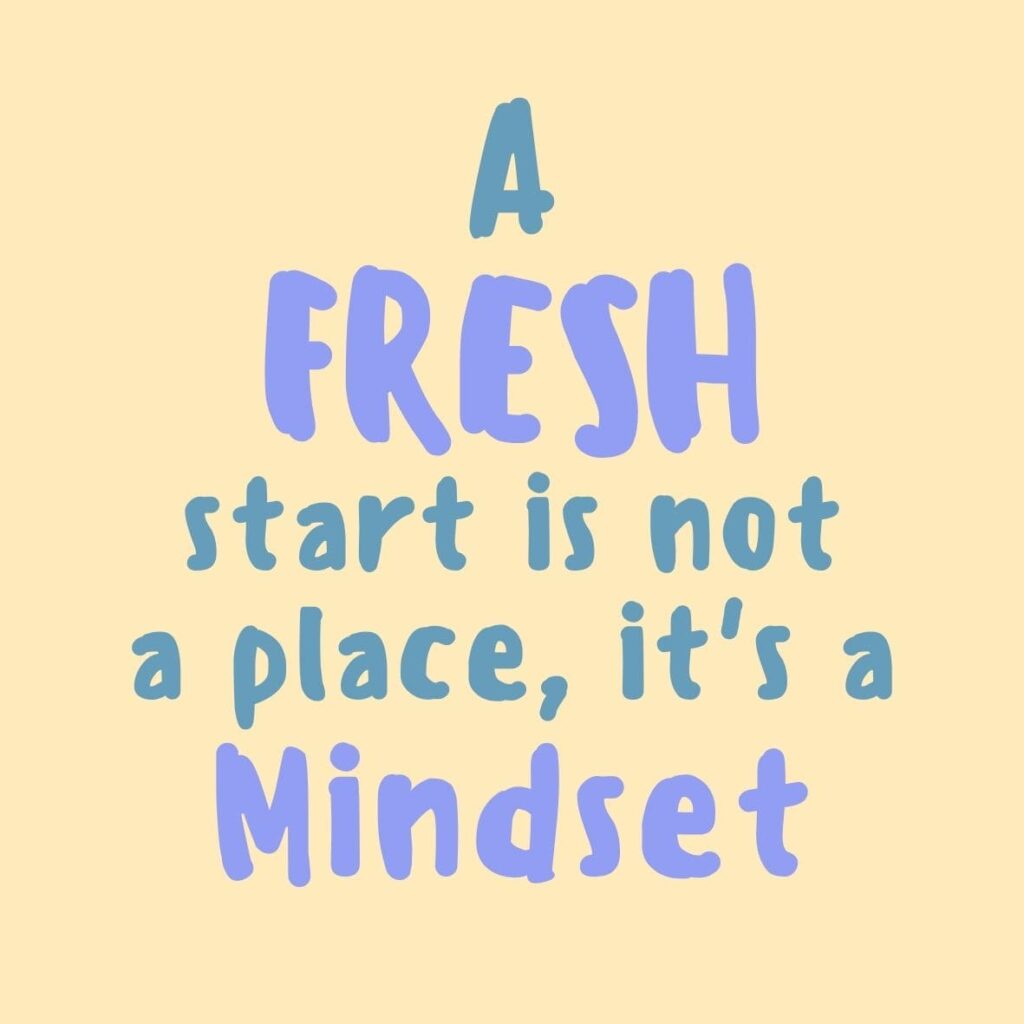
Scholars define two types of mindset. The first, fixed type, presupposes low self-esteem. A lot of people are like that. The worst part is that it is true for elementary students as well. Such children consider themselves to be losers. However, you can practice growth mindset games to convince them otherwise.
A growth mindset, in turn, is the conviction that everything is possible. People are sure that they have enough resources to cope with any problem. Teaching a mindset is relevant at middle school. But you may start it much earlier.
How to Learn Growth Mindset Art?
Time transition from kindergarten to adulthood comprises many periods of life. Use it to boost the self-esteem of your children. First of all, they need the ability to analyze. Kids should have a so-called plan to:
- find the starting point;
- define the challenge;
- asses force;
- anticipate consequences;
- come up with a plan B, etc.
Ask Questions to Overcome Growth Mindset Challenges
That all might be a little hard to comprehend. Offer children to ask themselves several questions to put things in perspective.
- What do I want to achieve?
- Do I really need it?
- What things did I do to make my wish come true?
- Was it enough?
- What else can I do to achieve my goal?
- If I have failed, why is it so?
- What did I do wrong?
- What did I right?
- What lessons have I learned from this?
You may add some extra questions, but still, it keeps kids focused on the aim. Help them to answer.
Growth Mindset Games
One can make the process of boosting mindset a daily routine. Practice the following activities as often as possible.
- Change the Fixed Mindset. Explain the differences between two types of mindset to kids. Then ask them to give an example of their life where they fall into negative thinking patterns. Try to switch them to positive ones. For example, instead of saying I`m not fast enough to win the race, say that you have all the qualities to do that. Mind your children`s words. Ask them to paraphrase the negative thoughts when you notice them.
- Yet-Power. Whenever a kid uses a negative mindset, offer to add the word yet at the end of the sentence. I cannot cook it… yet. Thus, they will take it for granted that bad luck is a temporary state to change in the future.
- Secret Prize. Create a DIY poster and write a prize on it. It can be a popcorn party or going to an amusement park. Have squares cut out and do not forget to write the name of growth mindset games on them. Tape notes to the poster, covering the prize. Remove a square whenever a task is completed. A kid will see the prize when succeeded.

- What Superpowers Have Kids with a Growth Mindset? It is one more idea that presupposes the use of a poster. Write the phrase What Superpowers Have Kids with a Growth Mindset? in the center. Encourage a child to give an answer and write it down. Try to create a whole circle of answers. For example, they ask for help, they love learning, etc.
You may also use other methods like watching growth mindset videos for kids. The task is to instill positive thinking. Practice it to make their mental health stronger.
More articles
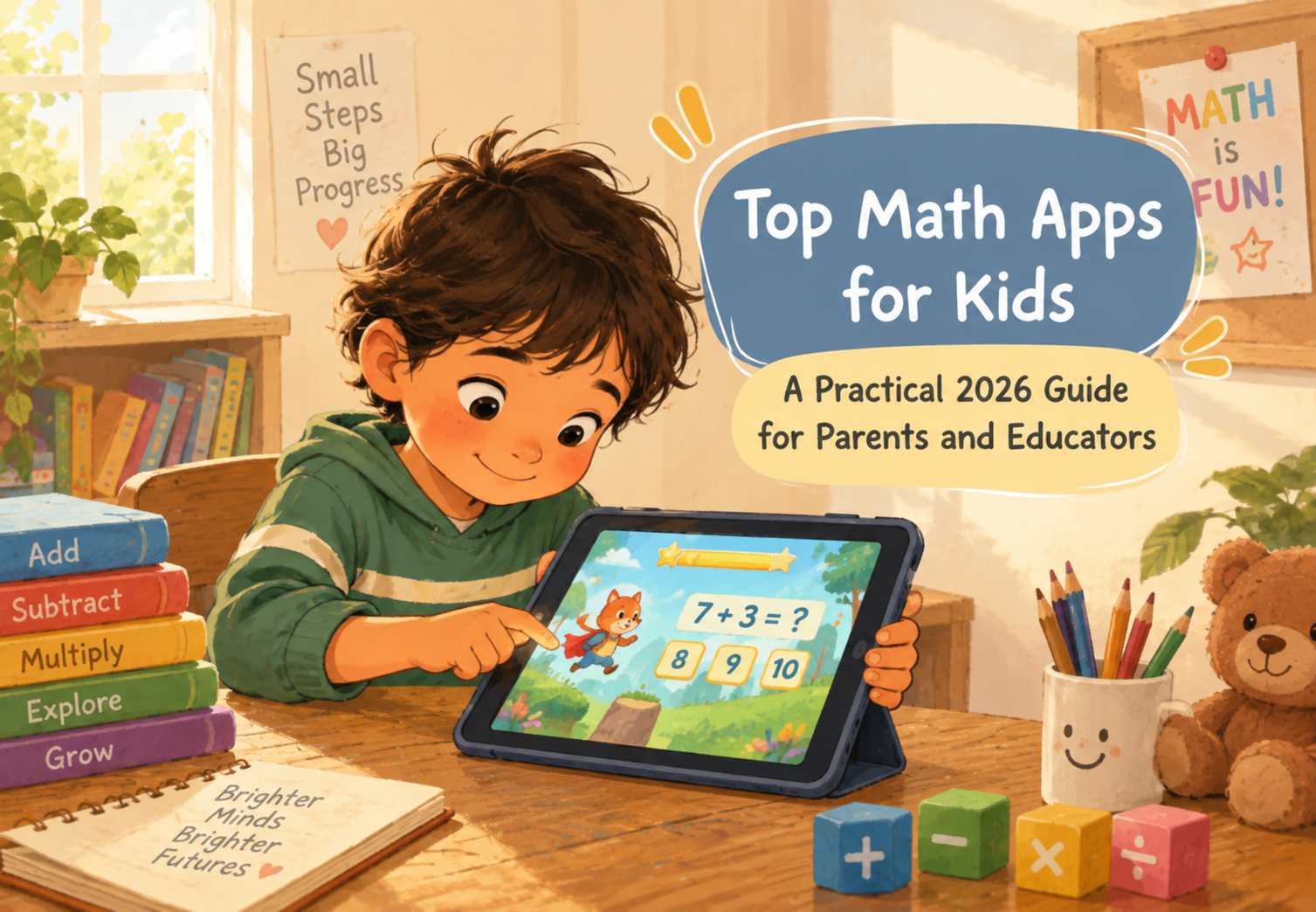

Top Math Apps for Kids: A Practical 2026 Guide for Parents and Educators
Finding a good math app for your child sounds simple until you actually start looking. Some apps are little more than worksheets dressed up with cartoons and rewards. Others are entertaining games where the educational part feels like an afterthought. The best math apps for kids sit somewhere in the middle: children genuinely want to […]
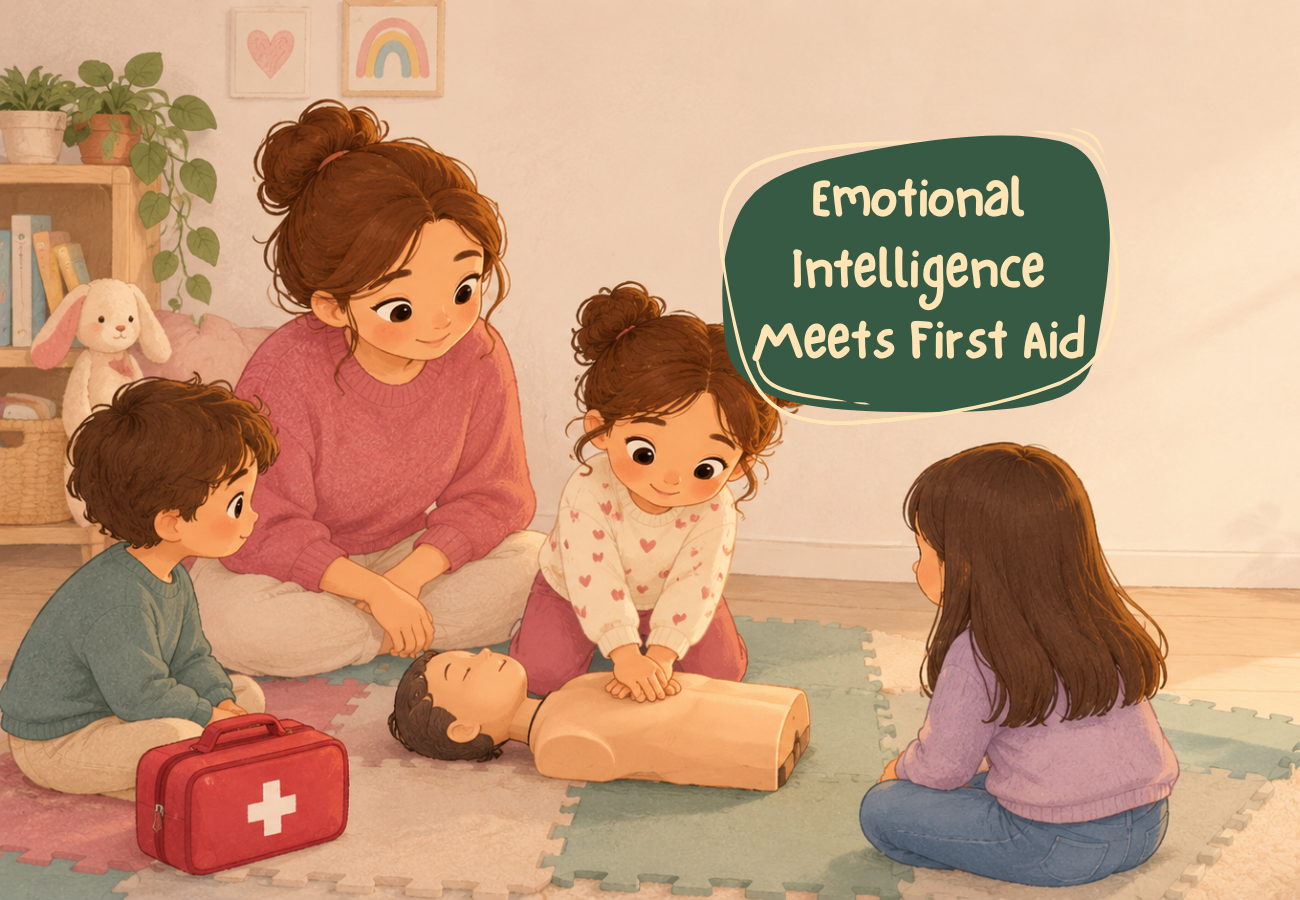
The Calm, Prepared Parent: Why CPR Training Belongs Beside Emotional Intelligence Lessons
My daughter once told me her feelings were “too big for her body.” She was four, fresh off a picture book that teaches kids to name what they feel instead of melting down. It’s a lovely lesson for parents, teachers, and daycare providers to pass along. But here’s the question that stopped me cold: if […]
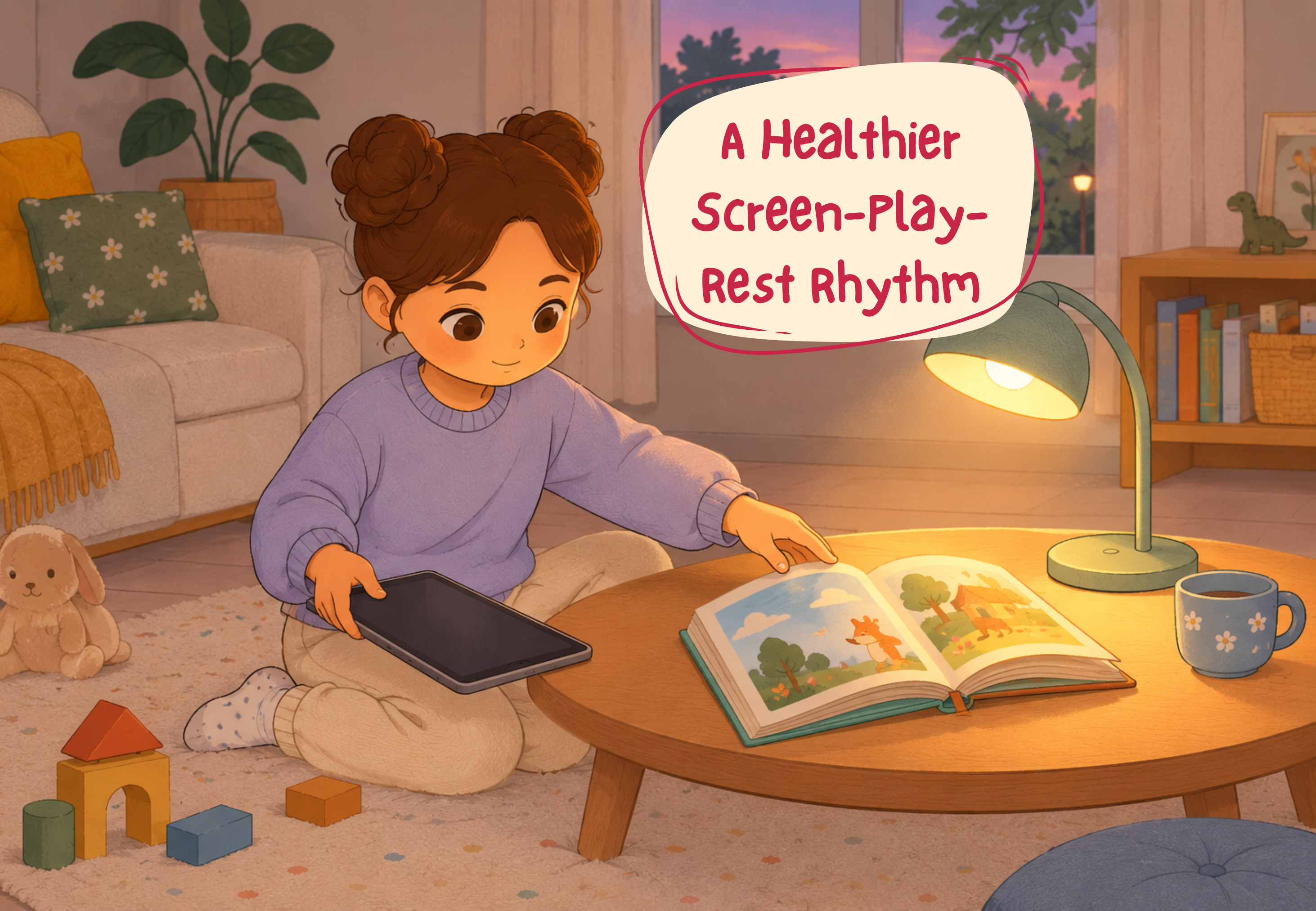
Creating a healthier rhythm between screens, play, and rest
It is five o’clock, homework is finished, and your child asks for the tablet. The device has already been used for school, but a favorite game or video may also be how your child relaxes at the end of a long day. Moments like this can make screen decisions feel more complicated than they need […]