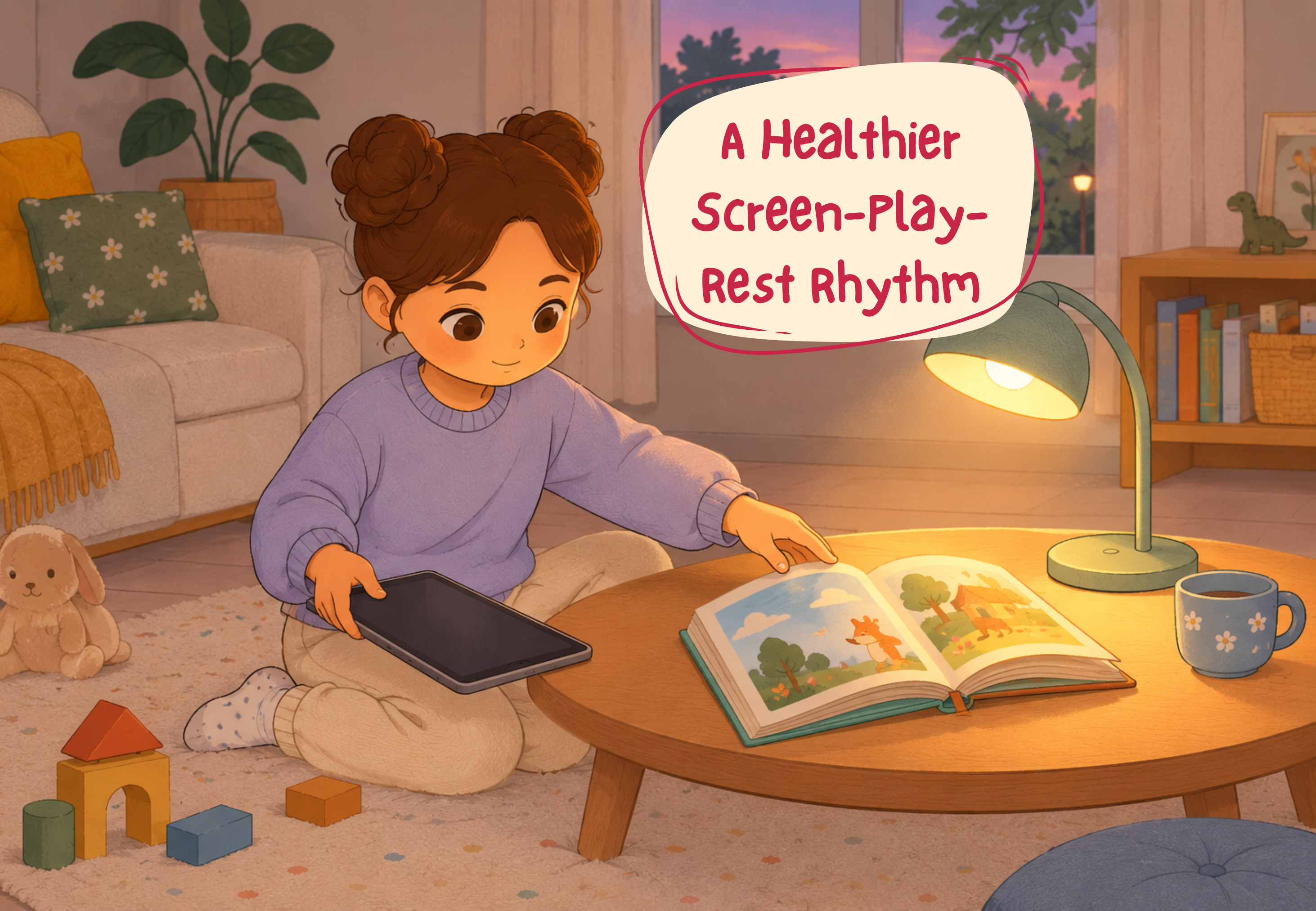
Creating a healthier rhythm between screens, play, and rest

It is five o’clock, homework is finished, and your child asks for the tablet. The device has already been used for school, but a favorite game or video may also be how your child relaxes at the end of a long day.
Moments like this can make screen decisions feel more complicated than they need to be. Parents may worry that they are being too strict, too relaxed, or inconsistent whenever the usual routine changes.
Screens help children learn, communicate, create, and enjoy stories. Concerns are more likely to develop when screen use gradually crowds out sleep, movement, outdoor time, conversation, or activities that give the eyes and mind a different kind of work.
Marc S. Werner, MD, from Stahl Eyecare Experts, suggests that families looking for an ophthalmologist in Long Island consider screen habits within the context of the child’s whole day. A timer may be helpful, but it cannot show whether a child slept well, played outside, moved after school, or spent meaningful time with other people.
A healthy routine can remain flexible. It simply needs enough variety for children to move their bodies, rest their eyes, explore their interests, and settle comfortably into sleep.
Screens can be one part of a balanced day
Children use screens for many reasons. A video call with a grandparent creates a different experience from watching a long stream of short videos. Drawing on a tablet differs from passively moving from one episode to the next. Completing a school assignment is also different from playing a game shortly before bed.
A daily total therefore reveals only part of the picture. The type of activity, the time of day, and the child’s response afterward can be just as informative.
One child may close a laptop after homework and move easily into dinner or play. Another may become irritable, lose track of time, or find it difficult to stop. Those children may need different levels of structure even if their screen totals are similar.
Timing deserves particular attention in the evening. A systematic review of studies involving children and adolescents found that electronic media use was generally associated with shorter sleep duration. The connection appeared stronger among school-age children and teenagers than among children under five, with evening use raising particular concerns.
Families can begin by protecting the bedtime routine. Screens may end at a predictable point, followed by familiar activities such as bathing, preparing clothes for the morning, drawing, talking, or reading together.
A calm transition might sound like, “Your show is finished. Now we are going to help your body get ready for sleep.”
Predictability often makes boundaries easier for children to accept. The boundary becomes easier to understand when children know that the next part of the day has begun.
Why outdoor time and movement deserve protected space
After school, children often reach for the easiest available form of entertainment. When a device is already nearby, outdoor play may require more effort to begin.
Outdoor time can remain simple rather than becoming another organized afternoon activity. A walk around the block, chalk on the sidewalk, kicking a ball, helping in the garden, or visiting a playground can all create a useful change of pace.
Movement allows children to stretch and use large muscles after sitting. Time outside also gives the eyes a chance to shift away from sustained close work.
A 2024 review of seven randomized trials involving more than 9,000 children found that outdoor interventions were associated with a lower incidence of myopia, or nearsightedness, along with favorable changes in measures of eye growth. Outdoor activity works best as one supportive habit alongside professional eye care, with benefits that extend beyond vision.
Families may find it easier to protect outdoor time when it has a familiar place in the routine. Children could play outside before recreational screen use, join a short walk after dinner, or spend longer periods outdoors on weekends when weekdays are crowded.
The transition is often smoother when the next activity is specific. “Let’s put the tablet away and take the dog outside” gives a child a clearer direction than “Go find something else to do.”
Another review looked at physical activity, sedentary time, and sleep together. Children who met more healthy movement recommendations tended to have more favorable mental health indicators, although the researchers rated the evidence as very low quality. The finding cannot predict how an individual child will feel, but it highlights the value of considering the whole day rather than one habit in isolation.
In practice, each activity takes up part of the day. Giving movement and sleep a regular place in the routine makes them less likely to be crowded out.
Making room for reading, creativity, and family connection
Reducing recreational screen use is difficult when nothing appealing is available to replace it. An instruction to “go play” may feel frustrating when a child cannot see an obvious place to begin.
Other choices become easier when they are visible. Paper and markers placed within reach may invite drawing. A puzzle left on a table can attract attention. Books beside the sofa are more likely to be opened than books stored where a child rarely sees them.
These activities do not need to look educational. Children benefit from unstructured time that is not graded, measured, or directed by an adult. Boredom may eventually become the beginning of pretend play, building, drawing, or an invented game.
Reading can also be presented as an inviting option rather than another task. After a day of digital assignments, a child may prefer something less demanding than a chapter book. A comic, joke book, graphic novel, magazine, or shared read-aloud may offer a comfortable transition back to print.
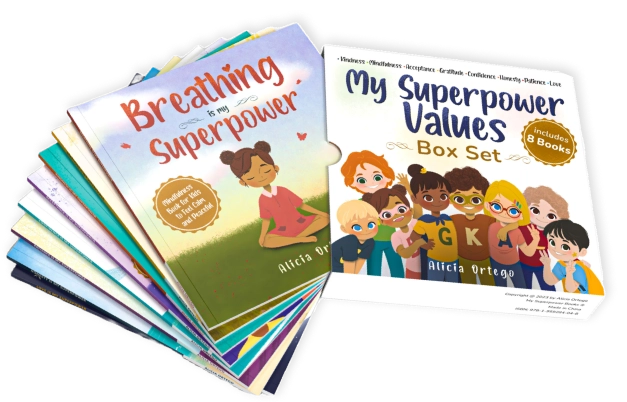
For reading to actually feel restful rather than another source of eye strain, the lighting around it matters. A single dim lamp in an otherwise dark room tends to make print harder to focus on, while a dedicated reading lamp angled onto the page — placed to the side or behind the child rather than shining into their eyes — is generally more comfortable. Warmer, softer light in the evening is easier on the eyes than a bright overhead light, and holding the book at a relaxed distance, roughly the length of a forearm, lets the eyes focus without extra strain. A short, calming bedtime story read under these conditions, such as Breathing Is My Superpower, can become a genuine wind-down ritual rather than one more demand on tired eyes.
Family connection can grow from ordinary moments. Children may enjoy helping prepare food, choosing music for dinner, playing a brief card game, or talking about one enjoyable and one difficult part of the day.
Screens can sometimes strengthen these moments. A family might follow a craft tutorial, look up the answer to a child’s question, create a digital story, or watch a movie together. Shared use changes the role of the device because it becomes part of the interaction.
Visual comfort still deserves attention. A pediatric review identified digital eye strain, myopia, and other vision concerns as possible issues associated with prolonged or inappropriate device use among children and adolescents. Digital eye strain may involve tired or dry eyes, headaches, blurred vision, or difficulty refocusing after close work.
Simple adjustments may improve comfort. Children can keep devices at a reasonable distance, reduce glare, change position, and regularly look toward something farther away.
Recurring headaches, squinting, blurred vision, eye pain, or discomfort should be discussed with an eye care professional. Screen use may make symptoms more noticeable even when another vision concern is contributing.
Adjusting the routine when school already requires screens
Screen boundaries can feel unfair when much of a child’s use is outside the family’s control. Schools may require laptops or tablets for assignments, research, reading, and communication. By the end of homework, a child may already have spent several hours looking at a device.
On those days, it can help to distinguish schoolwork from entertainment without turning the evening into a debate over exact totals. A simple question such as “What does your body need after all that computer work?” shifts attention toward recovery.
The answer may be food, movement, quiet, conversation, or a change of environment. Even a short break can prevent school screen use from flowing immediately into recreational use.
Homework can be divided at natural stopping points. After completing one assignment, the child might stand, stretch, look across the room, fill a water bottle, or complete a short task away from the device.
When physical discomfort continues, families can ask the teacher whether some work may be printed or completed by hand. Schools vary in what they can offer, but a respectful conversation may uncover options or make the teacher aware of a recurring problem.
Sleep becomes especially important on screen-heavy days. Electronic media use near bedtime has been associated with shorter sleep and later bedtimes in school-age children. Ending recreational use early enough to preserve the evening routine may be more realistic than trying to compensate for every required hour spent online.
A weekend movie, a long video call, or a rainy-day gaming session can still fit within a family’s usual habits. Healthy balance is easier to see across weeks than within one unusual afternoon.
Stahl Eyecare Experts provides comprehensive eye exams, contact lens care, and myopia-control services through its Garden City and Hauppauge offices. When headaches, squinting, blurred vision, reading difficulty, or screen discomfort keep returning, an eye exam can help determine whether an unrecognized vision concern may be contributing.
Some days will be more screen-heavy than others. The steady return to sleep, outdoor play, stories, creativity, family conversation, and rest is what gives the routine its balance.

More articles
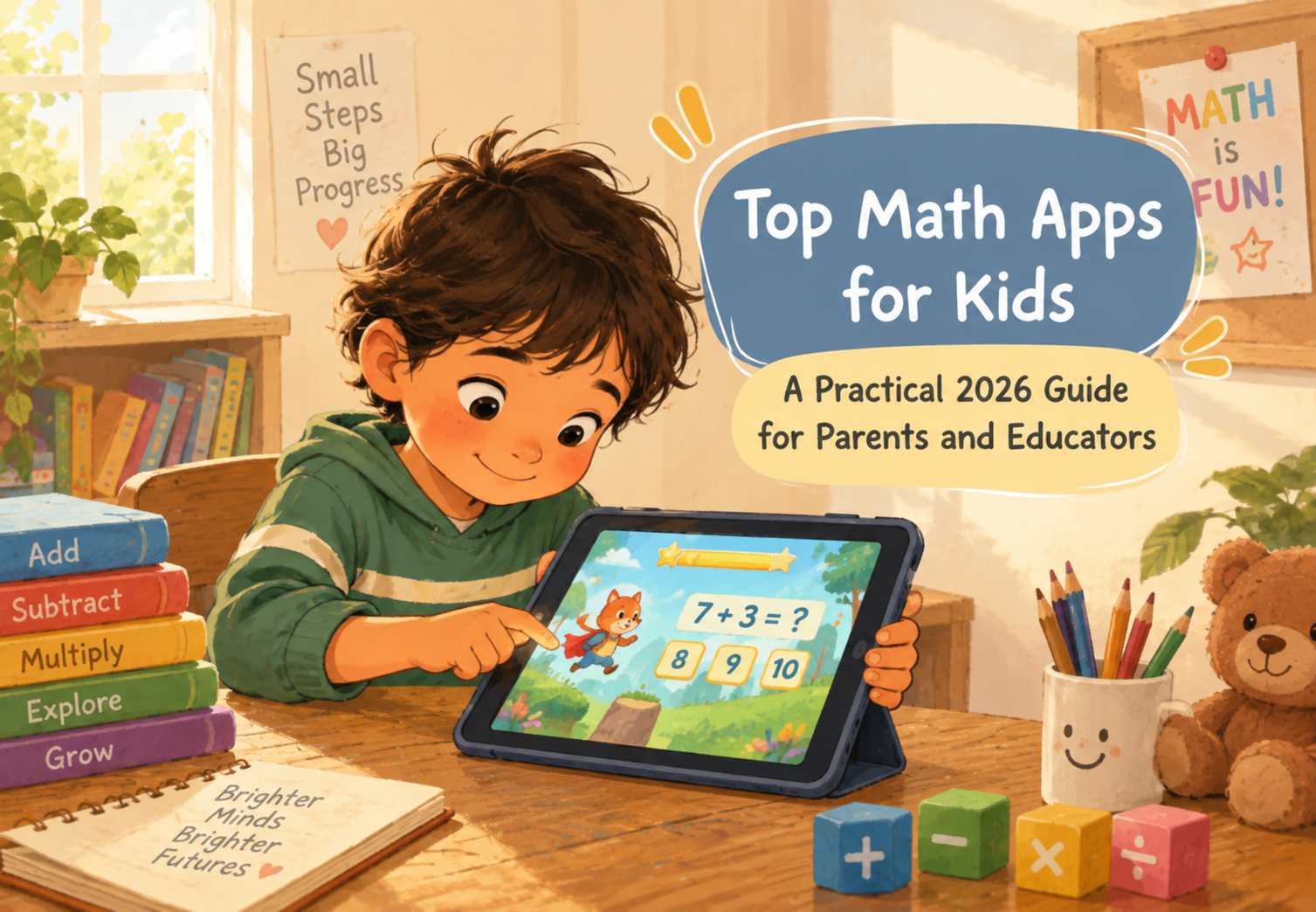
Top Math Apps for Kids: A Practical 2026 Guide for Parents and Educators
Finding a good math app for your child sounds simple until you actually start looking. Some apps are little more than worksheets dressed up with cartoons and rewards. Others are entertaining games where the educational part feels like an afterthought. The best math apps for kids sit somewhere in the middle: children genuinely want to […]

The Calm, Prepared Parent: Why CPR Training Belongs Beside Emotional Intelligence Lessons
My daughter once told me her feelings were “too big for her body.” She was four, fresh off a picture book that teaches kids to name what they feel instead of melting down. It’s a lovely lesson for parents, teachers, and daycare providers to pass along. But here’s the question that stopped me cold: if […]

Family Reading Night Ideas: 40 Fun Activities for Schools and Families
Family Reading Night is one of the simplest ways a school can turn reading from a homework chore into something a whole family looks forward to. When it’s done well, kids see their parents excited about books, parents see how their children read and think, and teachers get a rare evening where the whole community […]