Acceptance of the difference is not just another one off sit down school lesson. Acceptance is not a topic that you only discuss now in a couple of lessons. Acceptance just like kindness should be a daily value, that is, an important characteristic of our personality. Think of it as a fundamental core value.
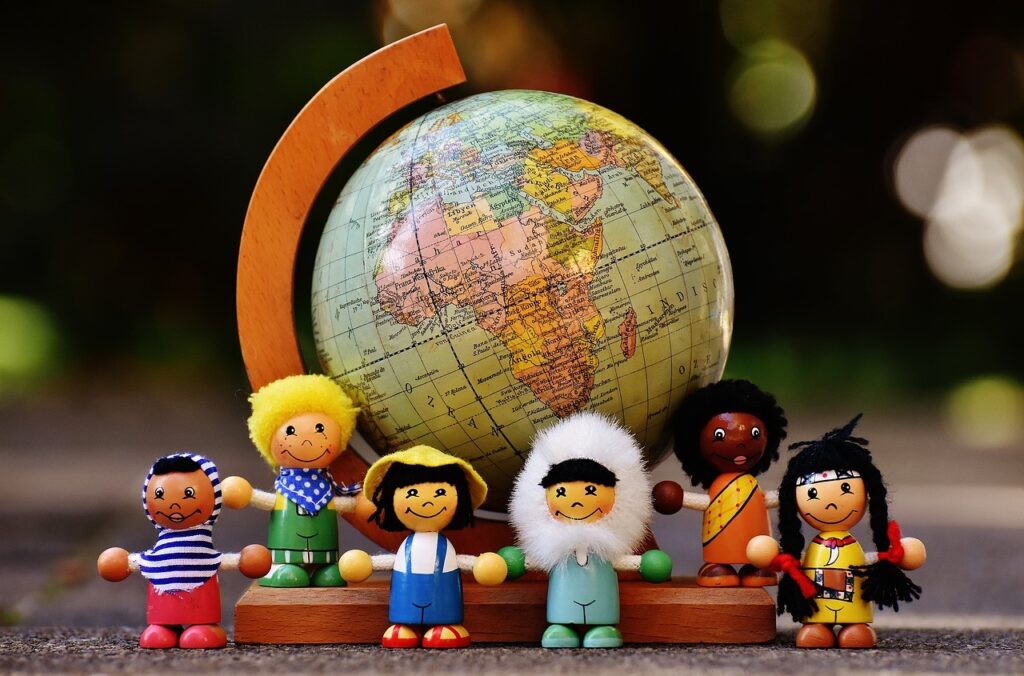
However, developing an ability to accept difference is an essential part of children’s youngest growth stages. This ability to be patient with other people – even if they are completely different- and feel sort of compassion for them is in charge of making social “well-being”.
This is just as important as any other school training. But how to explain to children that no two people are exactly the same? Let’s make one thing crystal clear. Teaching accepting difference through play can be exciting for both parents/teachers and kids. For example, empathy worksheets will help.
During playtime, you can discover a wide specter of kid’s interests, cultures, and traditions. And guess what? Once the kid starts to understand the basic concept of difference, they will be introduced to the juices and the joy of difference.
1. Looking At Play
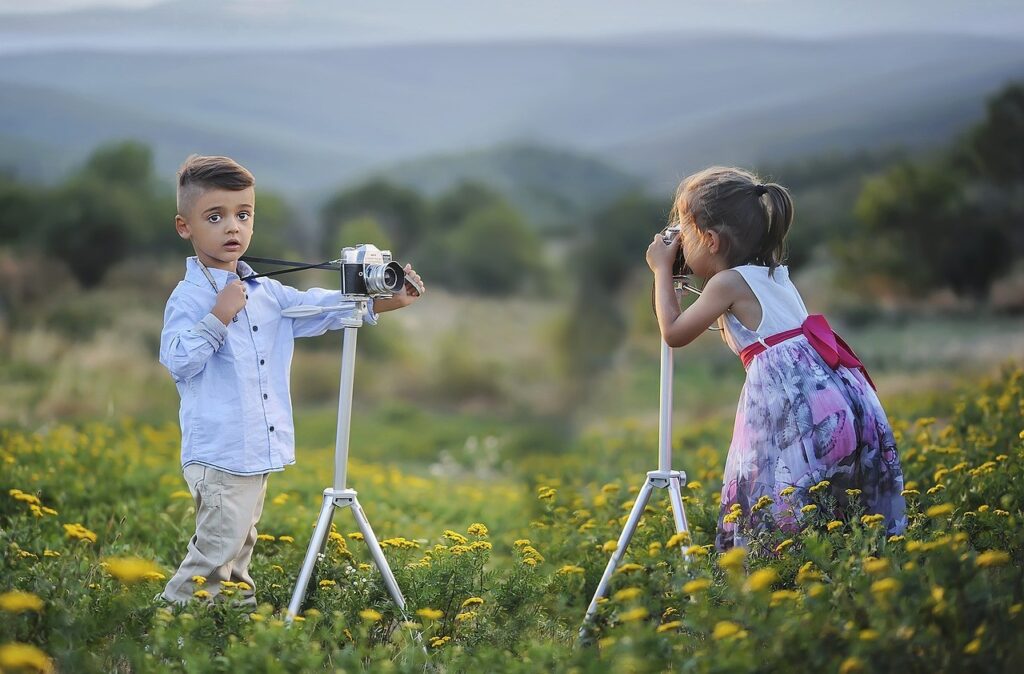
The very beginning of the discovery journey of other people’s uniqueness begins on the playground, that is, with play. As children develop and grow, they advance beyond the solo playing to the play with toddlers, in which kids share materials, chit chat, physical proximity, and so on.
Watch how they play. Always appreciate and support their creativity. Try playing different roles as this is a great way to let them act like adults in the community and give insights into other cultures, religious beliefs of others, etc…
2. Expand The Children’s Awareness
There are many ways you can increase the children’s knowledge of others. One of the gentle ways to start with is to introduce different cultural elements into the area of dramatic play.
Provide them with unique and creative props. See if you can find some distinctive pieces to include in the center of the area. Look for interesting vests, shoes, hats, and so on to slowly introduce their differences.
3. Have Multicultural Experiences
As a family, you can become engaged in different multicultural experiences that could be even fun for all of you. It can serve as a learning lesson for everyone as well. Accepting differences maximally minimize stereotypes.
The good way to go is to start with diversity in your own family as there is a lot of difference between all of you, even you share blood.
Introduce your kids to different groups, such as cultural community events or a new religious setting. The entire family will discover completely new things through this participation.
There are hundreds of books that promote the deepest inner feelings about compassion, accepting others for who they are, and that we all live under the same sky.
Along with this, be aware of your body language. For example, a white man might act a bit standoffish to an African American, and the kid will probably notice that.
The Takeaway
If showing concern and respect for others become an integral part of our attitude, personality, our world would definitely be a better place. We must model for children to accept difference as the value that we also continue to learn as adults.
More articles

Creativity, motor skills, and sociability: these are the advantages of introducing your kids to cooking
Some of the best family memories happen in the kitchen. Flour on the counter, a kid proudly stirring something that smells incredible, a mess that somehow doesn’t matter — these moments are small, but they add up. Cooking together is one of those rare activities that’s genuinely fun for kids and quietly powerful for their […]
How to Raise a Book Lover: Simple Habits That Make Reading Stick
Raising a child who genuinely loves reading is one of the most rewarding gifts a parent can give. It is also one of the most misunderstood. Many parents assume that reading is something children either naturally take to or don’t, but research and lived experience tell a different story. A love of books is built. […]
Family Bike Trips: How Parents and Children Can Ride Safely Together
Summer is the perfect excuse to get kids outside and make a real day of it. Hop on bikes, ride down to the river, spread out a picnic blanket, read a book under a tree, feed the ducks — and that’s already a day a child will remember for years. The bike is just a […]