Core Values for Kids: Teaching Character, Responsibility & Kindness
Core Values for Kids: Teaching Character, Responsibility & Kindness
by Alicia Ortego
9 Feb, 2026
Helping children understand who they are and what matters to them is an essential part of emotional and social development. One of the most effective ways to build character is by teaching core values early. Whether you’re a parent, teacher, or counselor, having a list of values for kids or a list of core values for kids makes it easier to guide meaningful conversations about kindness, honesty, respect, and responsibility.
Below, you’ll find a comprehensive list of values, ideas for teaching them, and ready-to-use values worksheets for kids and values activities for kids that encourage reflection and growth.
Why Teaching Values to Kids Matters
Values shape the way children make decisions, treat others, and view themselves. When kids learn core values early, they develop:
Stronger self-awareness
Better decision-making skills
Healthy relationships
Empathy and kindness
Confidence in their beliefs
Values aren’t taught in a single lesson — they are practiced daily through conversations, stories, routines, and example.
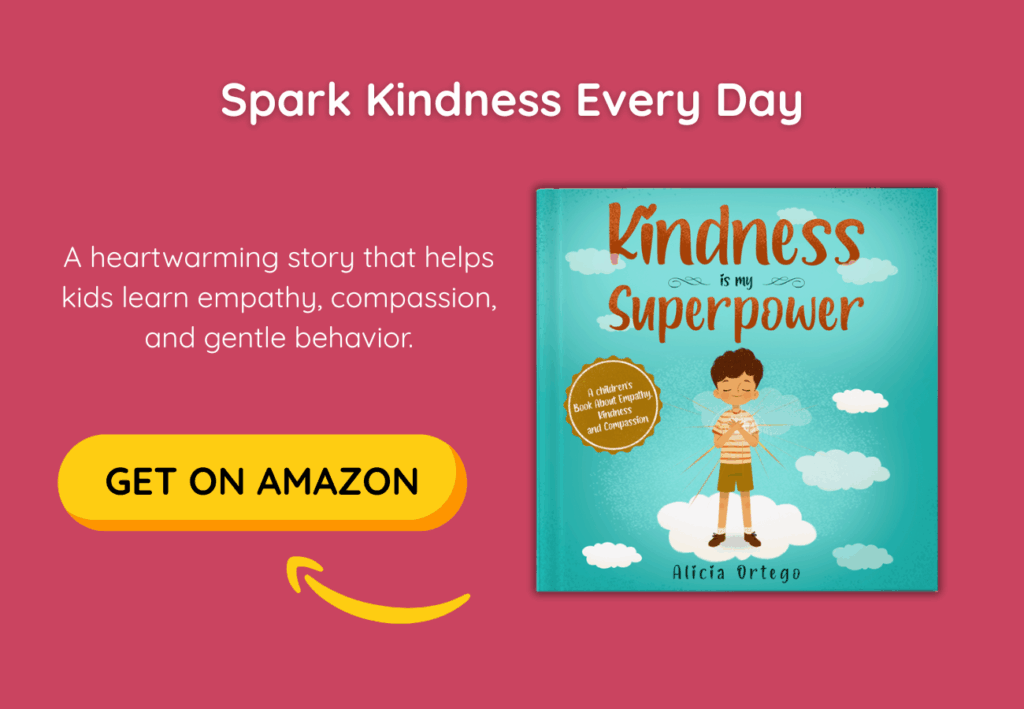
Social-emotional learning books can complement lessons on values by showing kids how characters practice kindness, honesty, and perseverance. For instance, Kindness Is My Superpower encourages empathy and reinforces positive behaviors, helping children see core values in action.
List of Values for Kids
Here is a broad and kid-friendly list of values for kids that can be introduced at home or school:
Kindness
Respect
Honesty
Responsibility
Gratitude
Perseverance
Empathy
Courage
Fairness
Generosity
Cooperation
Patience
Self-control
Creative thinking
Leadership
Curiosity
Compassion
Integrity
Inclusiveness
Teamwork
List of Core Values for Kids
If you’re looking for a smaller, more focused list of core values for kids, these five form a strong foundation:
1. Kindness
Understanding how our actions affect others.
2. Respect
Treating people, property, and oneself with care.
3. Responsibility
Taking ownership of actions and commitments.
4. Honesty
Telling the truth and being trustworthy.
5. Perseverance
Not giving up when tasks feel difficult.
These core values help children build character, resilience, and strong relationships.
Values Worksheet for Kids (Printable-Friendly Ideas)
If you need a simple and engaging values worksheet for kids, use the templates below. They work well for classrooms, counseling sessions, SEL lessons, or homeschooling.
Worksheets can be paired with storybooks to make values tangible. Listening Is My Superpower helps children practice paying attention, understanding others, and reflecting on how listening connects to values like respect and empathy.
Worksheet Idea #1: “My Top 5 Values”
Kids circle or write the five values that matter most to them.
Prompts:
Why is this value important to you?
How do you show this value at school or home?
Worksheet Idea #2: “Values in Action Chart”
A weekly chart where kids record how they practiced a value each day. Columns include:
Value of the week
What I did
How it felt
Worksheet Idea #3: “My Role Model & Their Values”
Kids choose someone they admire and list the values that person demonstrates.
Worksheet Idea #4: “Value Sorting Activity”
Kids categorize values into groups such as:
Personal values
Social values
Learning values
Family values
These worksheets help kids reflect, understand, and apply values in daily life.
Values Activity for Kids (Fun, Hands-On Lessons)
Use these engaging values activities for kids to make learning fun and memorable.
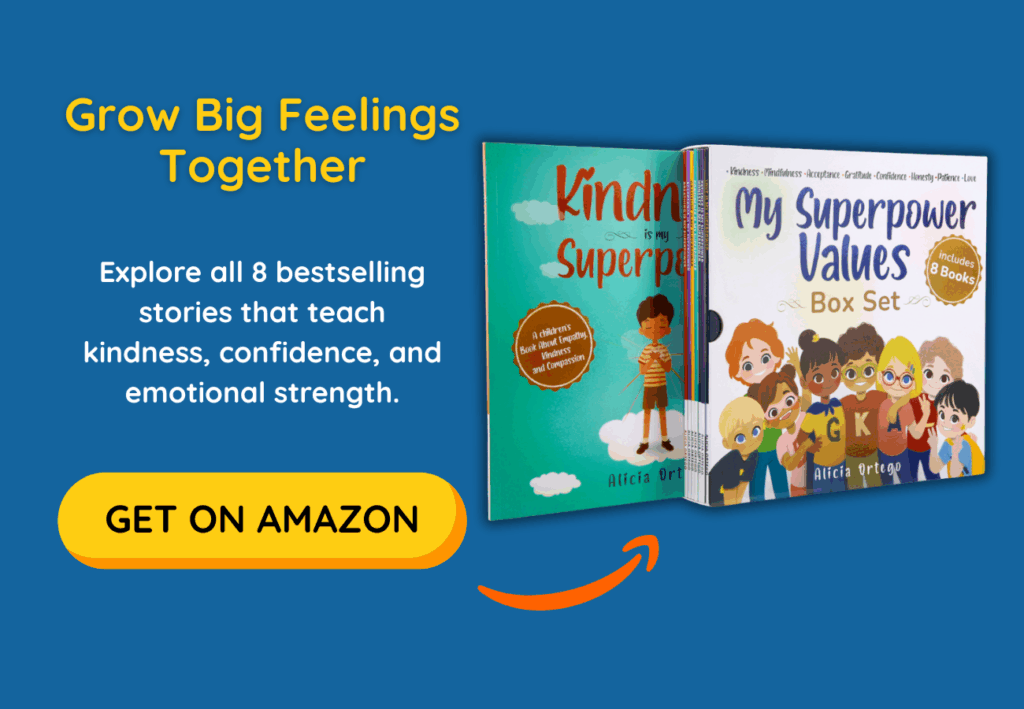
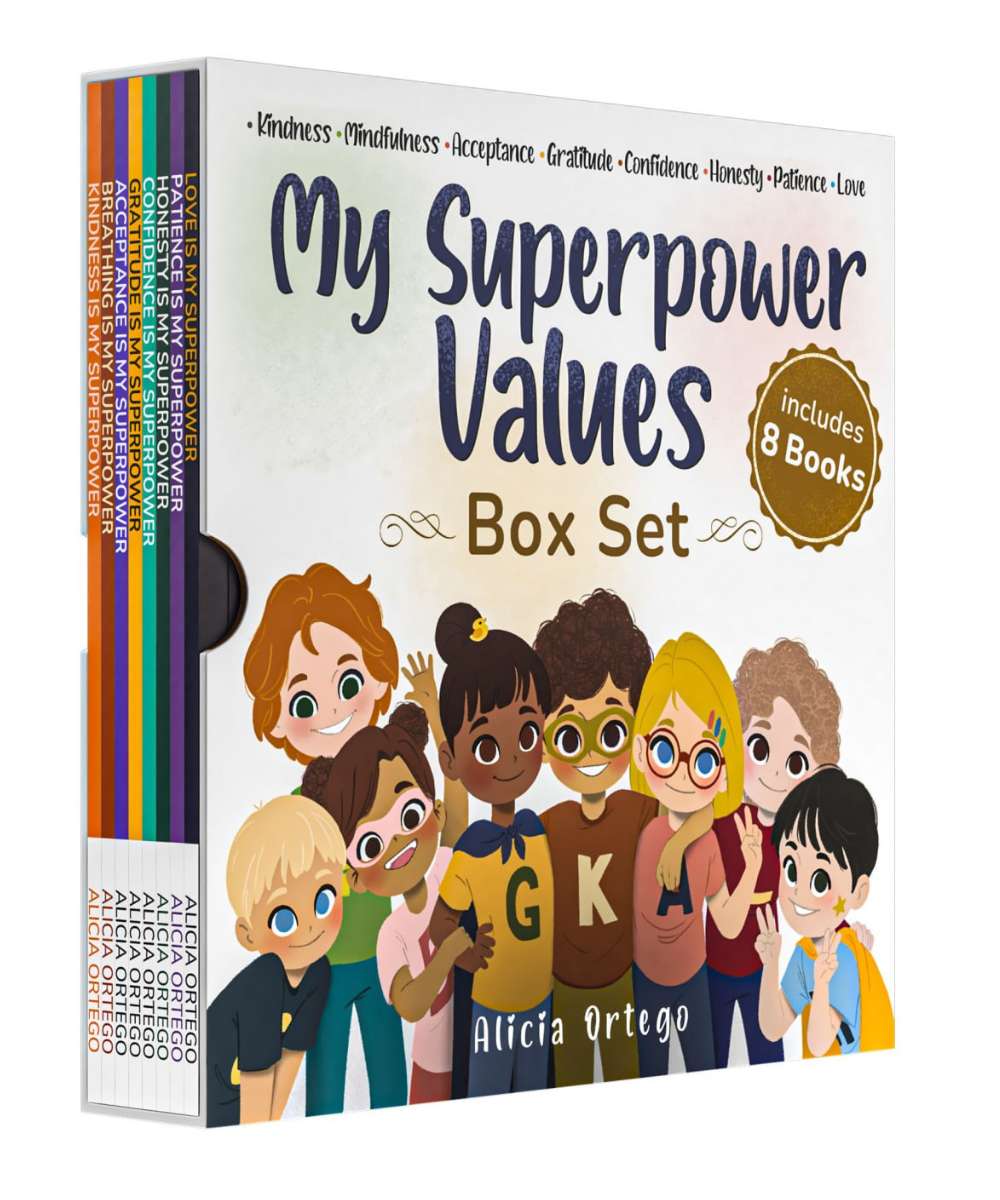
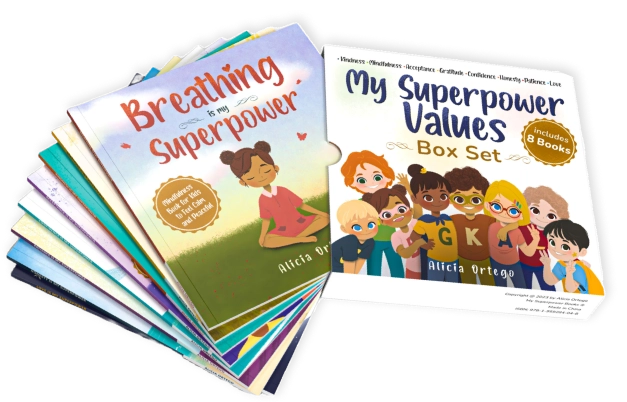
For families and classrooms, using a collection of SEL storybooks can reinforce multiple values in an engaging way. The My Superpower Books Collection offers stories about kindness, listening, and perseverance, providing practical examples for children to apply values in daily life.
1. Values Scavenger Hunt
Kids search around the classroom or home to find examples of values in action (e.g., someone sharing → generosity).
2. Story Reflection Activity
After reading a book, ask:
What value did the main character show?
What choices demonstrated that value?
3. Role-Play Scenarios
Present situations like:
A friend drops their supplies. What value can you show? This builds empathy, cooperation, and problem-solving.
4. “Value of the Week” Challenge
Choose one value each week. Kids earn points or stickers for demonstrating it.
5. Values Art Project
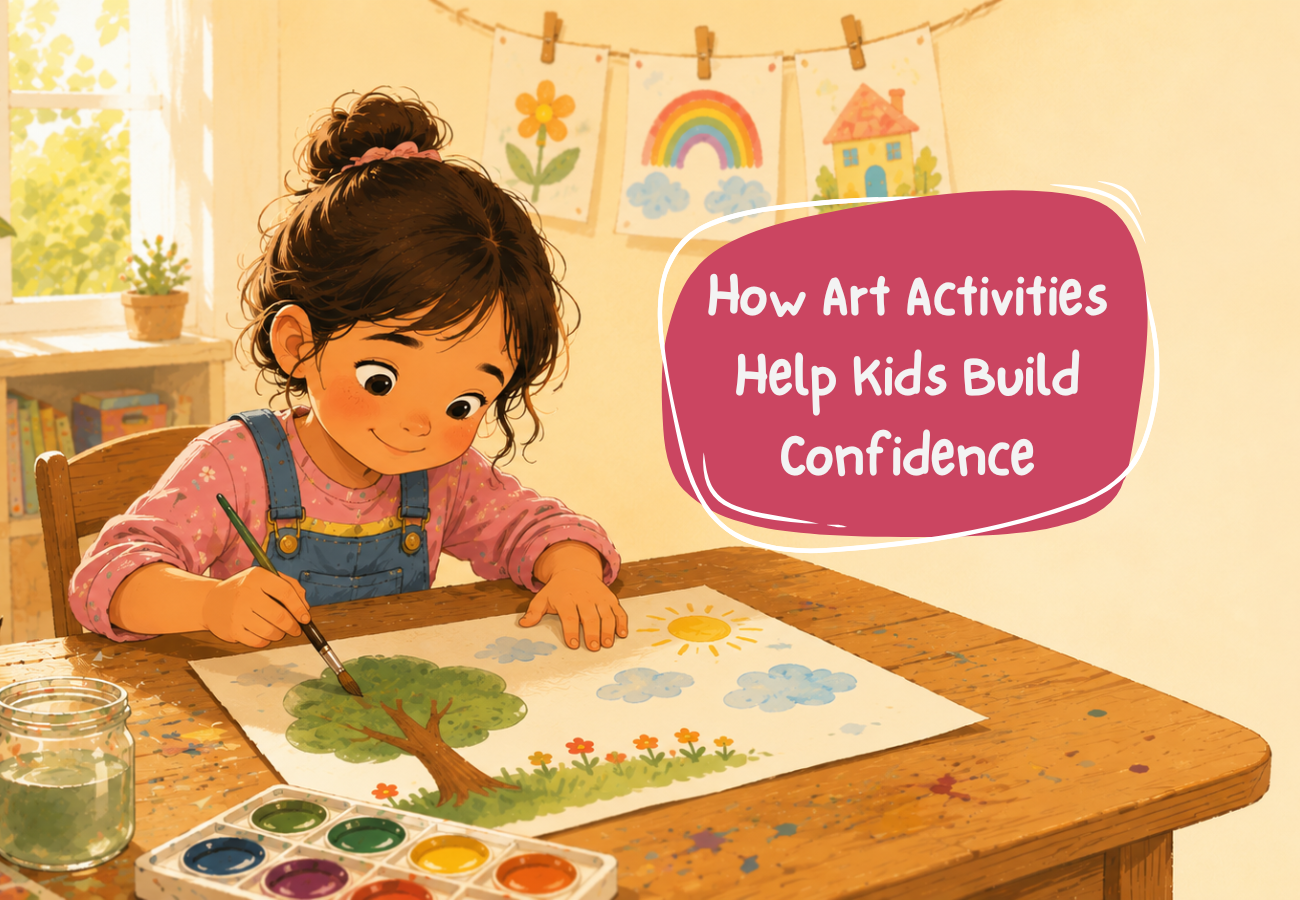
Kids create posters or drawings that represent their favorite values.
These activities make values meaningful, practical, and accessible for children of all ages.
Final Thoughts
Teaching values is an ongoing process that helps shape who children become as friends, students, leaders, and community members. With a strong list of values for kids, a focused list of core values for kids, and engaging values worksheets for kids and values activities for kids, you can guide children toward kindness, responsibility, empathy, and confidence.
Leave your email address and we’ll let you know when the books are back in stock
Subscribe to download the freebies
Write a review
Your rate
"*" indicates required fields
Cookies settings
To provide the best experiences, we use technologies like cookies to store and/or access device information. Consenting to these technologies will allow us to process data such as browsing behavior or unique IDs on this site. Not consenting or withdrawing consent, may adversely affect certain features and functions.
Functional
Always active
The technical storage or access is strictly necessary for the legitimate purpose of enabling the use of a specific service explicitly requested by the subscriber or user, or for the sole purpose of carrying out the transmission of a communication over an electronic communications network.
Preferences
The technical storage or access is necessary for the legitimate purpose of storing preferences that are not requested by the subscriber or user.
Statistics
The technical storage or access that is used exclusively for statistical purposes.The technical storage or access that is used exclusively for anonymous statistical purposes. Without a subpoena, voluntary compliance on the part of your Internet Service Provider, or additional records from a third party, information stored or retrieved for this purpose alone cannot usually be used to identify you.
Marketing
The technical storage or access is required to create user profiles to send advertising, or to track the user on a website or across several websites for similar marketing purposes.