Family Reading Night Ideas: 40 Fun Activities for Schools and Families

Family Reading Night is one of the simplest ways a school can turn reading from a homework chore into something a whole family looks forward to. When it’s done well, kids see their parents excited about books, parents see how their children read and think, and teachers get a rare evening where the whole community shows up for literacy.
This guide walks through what Family Reading Night actually is, why it matters, how to plan one from scratch, and 40 activity ideas you can mix and match — plus seven ready-made themes, printable ideas, and a planning timeline for teachers and librarians who are organizing their first (or fiftieth) event.
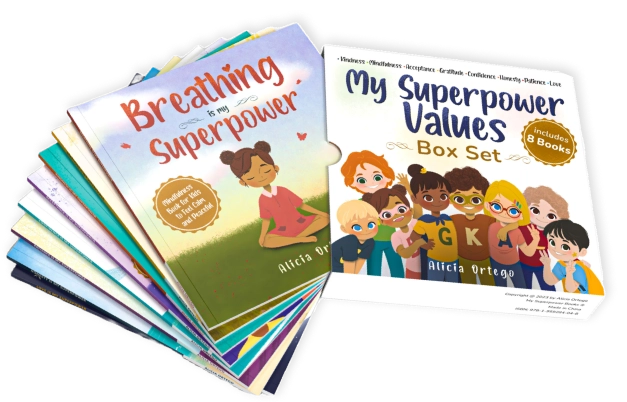
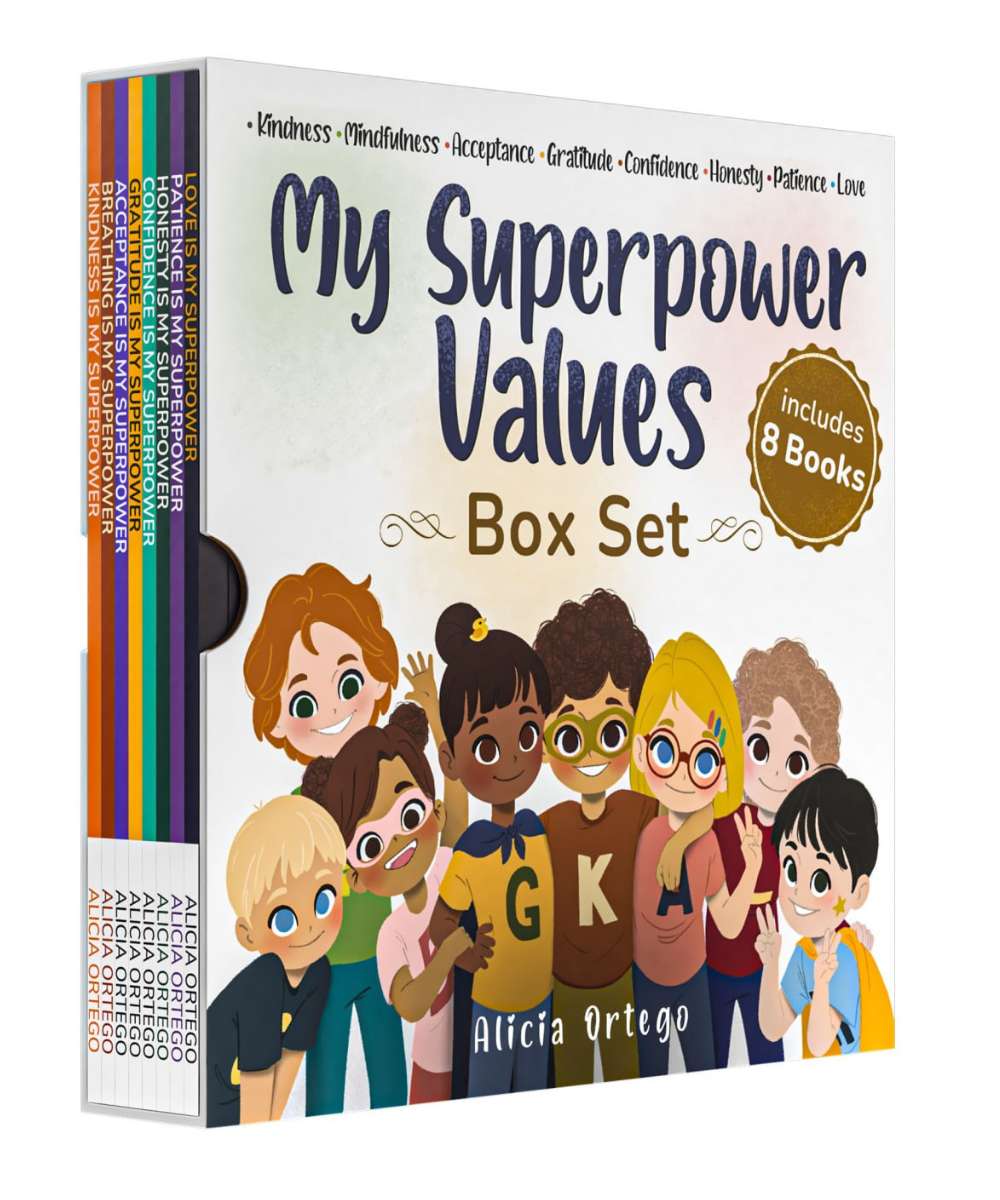
Planning your read-aloud stations or book swap table? Alicia Ortego’s My Superpower Books are written specifically for engaging family read-alouds, and our printables collection has ready-made bingo cards, passports, and trackers you can download today.
What Is Family Reading Night?
Family Reading Night is a school- or library-hosted event where children and their families come together for an evening of reading-based activities, games, and stories. Instead of assigning reading as homework, the goal is to make books feel social, playful, and exciting — for both kids and the adults who read with them.
Most events run 60–90 minutes, take place in a school gym, library, or cafeteria, and combine rotating activity stations with a shared read-aloud, a book swap, or a themed craft. Some schools run it once a year as a big community event; others hold smaller monthly or seasonal versions.
Benefits of Family Reading Night
Before diving into activities, it’s worth understanding why these events are worth the planning effort.
They build a positive association with reading. Kids who see reading modeled as fun — with games, costumes, snacks, and their own parents diving in — are more likely to pick up a book voluntarily at home.
They strengthen the home-school connection. Many parents don’t know what a strong at-home reading routine looks like. A well-run event quietly demonstrates read-aloud techniques, book selection tips, and discussion questions parents can reuse.
They support reluctant readers. A child who struggles with reading at school often feels differently about it in a low-pressure, game-based setting where the whole family is participating together.
They boost school and library engagement. Family Reading Nights are consistently among the best-attended school events because they appeal to the whole family, not just the student.
They give teachers informal insight. Watching how a child chooses a book, talks about a story, or interacts with a parent during reading can tell a teacher more than a worksheet ever could.
How to Organize a Successful Family Literacy Night
A great Family Reading Night doesn’t need a big budget — it needs a clear plan. Here’s a simple framework:
- Pick a date and time that works for families. Early evening (5:30–7:00 PM) on a weekday tends to work best, avoiding major local events or holidays.
- Choose a theme. A theme (see the list below) makes decorating, activity planning, and promotion much easier — everything ties together.
- Recruit volunteers early. Aim for one volunteer per activity station, plus a few floaters for setup, registration, and cleanup.
- Plan 5–8 rotating stations. More than that and families feel rushed; fewer and the evening feels thin.
- Include a shared moment. A group read-aloud, a story walk, or a communal storytelling corner gives the whole room one experience together, not just individual stations.
- Send books home. Whether it’s a book swap, a free giveaway, or a discounted book fair table, families should leave with something new to read.
- Promote it well in advance. Flyers, class newsletters, and reminder messages two weeks and two days before the event significantly boost turnout.
- Collect feedback. A short exit survey (even just three questions) tells you what to repeat next year.
40 Family Reading Night Ideas
Below are 40 activities, organized into 15 easy-to-plan categories. Pick a handful that fit your space, budget, and theme rather than trying to do everything at once.
Read Aloud Stations
- Rotating Read-Aloud Corners — Set up 3–4 cozy corners, each staffed by a teacher, volunteer, or older student reading a different picture book aloud on a loop.
- Celebrity Guest Readers — Invite the principal, local firefighters, or a sports coach to read a short story at a scheduled time.
- Read-Aloud Relay — Family members take turns reading a page each from a shared book, passing it around the circle.
Book Character Dress-Up
- Costume Parade — Kids (and parents!) dress as their favorite book characters and walk a mini “red carpet” at the start of the night.
- Guess the Character — Volunteers dress up and families guess which book they’re from for a small prize.
- Character Photo Booth — A simple backdrop with props lets families take home a keepsake photo.
Reading Bingo
- Reading Bingo Cards — Hand out bingo cards with squares like “Read a book about animals” or “Read outside” to complete before or during the event.
- Bingo Prize Table — Completed cards earn entry into a raffle for donated books or small prizes.
- Family Bingo Challenge — A version families complete together over the following month, with a return night to celebrate finishers.
Reading Passport
- Genre Passport — A booklet families “stamp” at each station representing a different book genre (mystery, fantasy, nonfiction, poetry).
- World Reading Passport — Ties into a travel theme, with each station representing books set in a different country.
- Passport Completion Prize — A small sticker, bookmark, or book for every filled passport.
Story Walk
- Story Walk Trail — Pages of a picture book are posted along a hallway or outdoor path so families “walk through” the story together.
- Story Walk Scavenger Elements — Hide small objects from the story along the trail for kids to spot.
- Neighborhood Story Walk — Partner with a local park to extend the story walk beyond school grounds for the following week.
Flashlight Reading
- Flashlight Reading Tent — A dimmed room or pop-up tent area where kids read by flashlight for a “campfire” feel.
- Shadow Puppet Stories — Flashlights and simple cutouts let kids act out a story in shadow form.
- Flashlight Book Hunt — Books are hidden around a darkened room for kids to find with flashlights.
Reading Scavenger Hunt
- Clue-Based Book Hunt — Clues from a mystery book lead families around the building to a final “treasure” (a book, of course).
- Vocabulary Scavenger Hunt — Families search for objects that match vocabulary words from a featured book.
- Library Scavenger Hunt — A hunt through the library or classroom bookshelves to find books matching specific clues (a red cover, an animal main character, etc.).
Family Book Clubs
- Mini Book Club Circles — Small family groups discuss a short story using simple discussion cards.
- Take-Home Book Club Kit — Families leave with a book and discussion questions to do a mini book club at home over the next week.
- Parent-Only Book Chat — A short, optional table where parents discuss tips for reading with reluctant readers while kids do a separate activity.
Reading Escape Room
- Classroom Escape Room — Families solve book-based riddles and puzzles to “escape” a decorated classroom in a set time.
- Mini Escape Box — A simpler, lower-budget version using a locked box and clues hidden in book pages.
- Team Escape Challenge — Multiple family teams compete for the fastest escape time, with a small prize for the winning team.
Reading Crafts
- Bookmark Making Station — Simple supplies (cardstock, ribbon, stickers) for kids to design their own bookmark.
- Book Character Puppets — Paper bag or popsicle stick puppets of favorite characters, used afterward for a mini retelling.
- DIY Story Stones — Painted rocks with simple images that kids use to invent their own stories.
Book Swap
- Take One, Leave One Book Swap — Families bring a gently used book from home and swap it for a “new-to-them” one.
- Free Book Table — Donated or grant-funded books families can simply take home, no swap required.
- Book Wrapping Surprise — Books wrapped with just a genre or one-line hint, so kids pick a “mystery book.”
Reading Olympics
- Reading Relay Race — Teams race to find books matching categories called out by a host.
- Word Toss Game — A beanbag toss where landing on a number matches a vocabulary or trivia challenge from a book.
- Reading Trivia Bowl — Quick-fire trivia questions from popular classroom read-alouds, with teams buzzing in.
Storytelling Corner
- Oral Storytelling Circle — Kids and parents take turns adding one sentence to build a story together, no book required.
- Story Dice — Rolling picture dice to generate random story prompts kids act out or tell aloud.
- Family Story Time Capsule — Each family writes or records a short original story to be “opened” or reread at a future event.
Poetry Café
- Poetry Café Open Mic — A cozy, coffee-shop-style corner (real hot chocolate optional) where kids can read a favorite poem or one they wrote that week.
Parent Reading Tips
Alongside the activity stations, set up one simple table with printed tip sheets for parents — covering things like how to ask open-ended questions during a read-aloud, how to choose “just right” books, and how to build a five-minute daily reading habit. This is a low-effort, high-value station that turns the event into something families take home with them, not just something they experience for one night.
Reading Night Themes
A theme ties your stations, decorations, and book selections together and makes the event far easier to promote. Here are seven that work well for any age group:
- Camping Night — Flashlight reading, a “campfire” storytelling circle, s’mores-themed snacks, and a story walk through a “forest” of hanging decorations.
- Space Adventure — A galaxy-themed reading passport, glow-in-the-dark reading corner, and books about planets and astronauts.
- Around the World — A world reading passport station, snacks or crafts from different cultures, and a book swap featuring stories set on different continents.
- Superheroes — Costume parade, a “reading power” bingo card, and a superhero-themed obstacle course tying physical activity to reading challenges.
- Jungle Safari — Animal-themed scavenger hunt, jungle decorations, and a reading bingo card built around animal books.
- Fairy Tales — Character dress-up, a fairy tale escape room, and a storytelling corner retelling classic tales with a twist.
- Ocean Adventure — An “under the sea” story walk, ocean-themed crafts, and a reading passport stamped with sea creatures at each station.
Printable Activities
Free printables are one of the easiest ways to extend the impact of your event beyond one evening — and they’re a great tool for building your school or library’s email list if you offer them as a download in exchange for a sign-up.
- Reading Bingo Card — A printable 5×5 grid with fun, low-pressure reading challenges.
- Reading Passport — A foldable booklet with a stamp or sticker box for each genre or station.
- Family Reading Challenge Sheet — A month-long tracker families fill out together after the event.
- Book Review Sheet — A simple one-page template where kids draw or write about a book they just finished.
You’ll find ready-made, printable-friendly designs for a Reading Bingo card, Reading Passport, Family Reading Challenge sheet, and Book Review sheet in our Printables collection — just download, print, and hand them out at your event.
Tips for Teachers
Planning timeline
- 6–8 weeks before: Pick a date, theme, and venue; start recruiting volunteers.
- 3–4 weeks before: Finalize stations, order or gather supplies, send the first announcement home.
- 1–2 weeks before: Confirm volunteers, print materials, send a reminder flyer.
- 2 days before: Send a final reminder, prep signage, and do a supply check.
- Day of: Arrive early for setup, do a quick volunteer briefing, and have a simple sign-in table so you can track attendance.
Budget ideas
- Ask local bookstores or libraries to donate gently used books for the swap table.
- Apply for a small PTA or literacy grant to cover printing and craft supplies.
- Reuse decorations and signage from year to year by storing them in labeled bins.
- Ask a local business to sponsor snacks in exchange for a mention on the flyer.
Volunteer checklist
- One volunteer per station, plus two floaters
- A greeter/sign-in table volunteer
- A photographer to document the event for future promotion
- A cleanup crew scheduled for the last 15–20 minutes
- Clear, printed instructions at each station so volunteers don’t need to memorize anything
Frequently Asked Questions
How long should Family Reading Night last? Most successful events run 60–90 minutes. This is long enough for families to visit several stations without feeling rushed, but short enough to keep energy high, especially with younger children.
How many activities should you have? Aim for 5–8 rotating stations. This gives families enough variety to choose from without overwhelming volunteers or making the evening feel chaotic.
What books work best? Choose a mix of picture books and early chapter books with broad appeal — funny, adventurous, or beautifully illustrated titles tend to work best for a mixed-age family audience. Rotating read-aloud picks from the My Superpower Books series by Alicia Ortego make excellent choices, since they’re written specifically for engaging, read-aloud family moments. Kindness is My Superpower, for example, works beautifully as a group read-aloud or storytelling-corner pick, since its short, rhyming story is easy to follow and easy to talk about afterward.
How do you increase attendance? Promote early and often — flyers, class newsletters, and a reminder message a day or two before the event all help. Offering food, a free book for every child, and a fun theme also significantly boosts turnout.
How do you make reading fun? Add movement, choice, and a bit of friendly competition. Bingo cards, scavenger hunts, and costume elements turn passive reading into something kids actively look forward to — and when parents join in, kids see that reading is something the whole family enjoys, not just a school task.
Bringing It All Together
You don’t need every idea on this list to run a great Family Reading Night — pick a theme, choose 5–8 stations that fit your space and budget, and build in one shared moment the whole room experiences together. For your read-aloud stations, storytelling corner, or take-home book swap, Alicia Ortego’s books make a natural fit: they’re written to be read aloud together, spark conversation, and send families home wanting to read the next chapter. And for the planning itself, our free and low-cost printables can save you hours of prep work on bingo cards, passports, and trackers.
Looking for more ways to keep the momentum going after the event? See our guides on Reading Goals for Kids and Reading Rewards Ideas for simple ways to turn one great night into a lasting family reading habit.
More articles
Creating a healthier rhythm between screens, play, and rest
It is five o’clock, homework is finished, and your child asks for the tablet. The device has already been used for school, but a favorite game or video may also be how your child relaxes at the end of a long day. Moments like this can make screen decisions feel more complicated than they need […]
How Art Activities Help Kids Build Confidence
Every parent has watched their child hesitate before trying something new. Maybe it was raising a hand in class, joining a game at the playground, or simply saying hello to another kid. Confidence is not something children are born with. It is a skill they build, one small success at a time. And few places […]
15 Proven Reading Motivation Techniques That Help Kids Love Reading
You’ve tried setting aside reading time. You’ve bought the books. You’ve offered rewards. And your child still stares at the wall, fidgets, or finds literally anything else to do the moment a book appears. You’re not doing it wrong. And your child isn’t broken. Getting kids genuinely interested in reading is one of the most […]