A Teacher And Mom’s Perspective On Growing Emotional Intelligence In Children

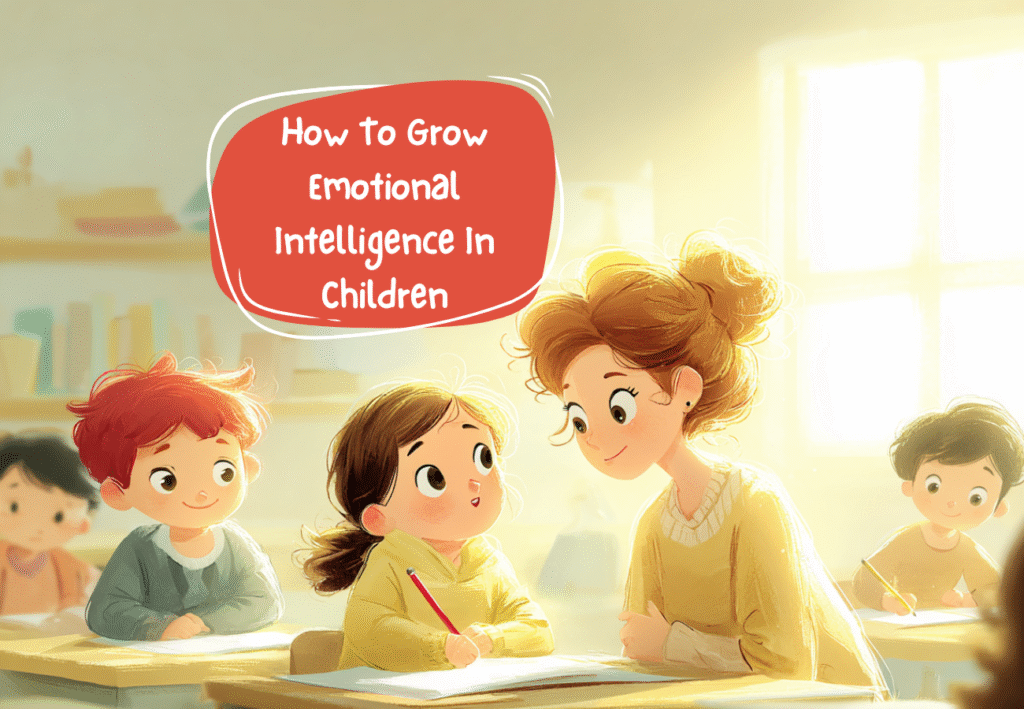
Have you ever asked yourself, “How do I help my child understand their feelings and handle them in a healthy way?” If yes, you’re not alone. As a teacher and a mom, I’ve heard this question from parents in school meetings, in casual chats, and even during pick-up time. The good news is, emotional intelligence can be grown slowly, naturally, and in a very simple way at home and in school.
Emotional Intelligence Starts With Daily Moments
Emotional intelligence is not something children learn in one day. It grows through small, daily moments where they feel safe, heard, and understood.
What I See In Class As A Teacher
In the classroom, I notice something very clear: children who can name their feelings are usually more calm and confident. They don’t get stuck in confusion. They can say things like, “I feel upset,” or “I feel left out,” and that itself reduces stress.
One simple habit I use in class is emotion check-ins. Before starting a lesson, I ask children how they feel. No pressure, no big drama, just a quick sharing. Over time, even shy children start opening up.
Create A Calm Space For Conversations
Children open up more when they feel safe. If they feel judged, they will hide their feelings.
A Simple Home Setup Helps
You don’t need anything fancy. A small calm corner in the home works well. It can be near a window, near a shelf, or even near the living room.
Some families keep this space near the table where they sit for tea and talk. The point is not the setup, but the comfort. Even the word table can remind us that family talks often happen in normal places, not only during “serious discussions.”
When children know they won’t be scolded for sharing, they share more.
Teach Children To Pause Before Reacting
Children often react fast because their feelings feel big. Helping them pause is a strong emotional skill.
What Works In Real Life
I teach children a very simple pause method: stop, take a breath, and then speak. It sounds small, but it works.
At home, I use the same method. If my child is upset, I say, “Take one breath first, then tell me.”
This habit builds patience, self-control, and also confidence. Slowly, children learn that they can handle emotions without feeling stuck.
Make Emotional Skills Part Of Daily Routine
Children learn best when something becomes a routine. Not a rule, but a normal habit.
Simple Daily Habits That Build Emotional Strength
A small daily chat helps. It can be during breakfast, after school, or before bed.
Sometimes, I ask my child, “What made you smile today?” and “What was a little hard today?”
This keeps the emotional connection strong. It also helps children feel that their feelings matter.
Even daily chores can become bonding moments. Folding clothes together, arranging things, or cleaning can be quiet times where children talk freely. For example, while sorting laundry near the washer and dryer, many children naturally start sharing their day. It’s funny, but it happens so often.
Use Storytelling And Everyday Examples
Children connect deeply with stories. Stories help them understand feelings without pressure.
How I Use Stories In Both Roles
As a teacher, I use storybooks to ask simple questions like, “How do you think this character feels?” As a mom, I do the same thing during bedtime stories.
You can also use real-life examples from daily life. Like if your child had a small disagreement with a friend, you can say, “It looks like you felt hurt. That’s okay. Let’s talk.”
In the middle of all this, I’ll say something important: do not overthink it. Emotional intelligence grows in a natural way, just like language does.
Build Empathy Through Kind Actions
Empathy is a big part of emotional intelligence. Children can learn empathy by doing small kind actions.
How I Encourage Empathy In Children
In school, I encourage children to help each other. Not in a forced way, but in a friendly way. Like sharing a pencil, helping a classmate understand a question, or simply saying “Are you okay?”
At home, I encourage my child to think about others too. Like helping grandparents, checking on siblings, or being gentle with pets.
Empathy becomes stronger when children see kindness as normal.
Even sitting together on a sectional couch after a long day can become a sweet moment where a child feels safe enough to share what’s in their heart.
Talking About Feelings Can Be Simple
Many parents feel they need special words to talk about emotions. But honestly, simple language is best.
Easy Words Children Understand
Children don’t need big emotional vocabulary. They just need clear, daily words. For example: happy, sad, angry, scared, excited, nervous, proud, calm.
When children use these words, they stop feeling confused inside. They start feeling more in control.
Also, let them know it’s okay to feel everything. Emotions are like signals. They help children understand what they need.
Final Thoughts
Emotional intelligence in children grows slowly, through daily talks, calm reactions, simple words, and warm connection. From my experience as a teacher and a mom, the best results come from small habits done with love and patience, like listening without judging, teaching children to pause, and making feelings part of normal life.
More articles

Summer Camp Safety: How to Know If Your Child Will Be Protected
Most child harm happens at the hands of someone the child already knows and trusts, and a significant share of sexual abuse involving minors happens between young people themselves. Those facts can make any parent think twice about camp safety. On top of that, not every camp meets the standards families might expect, and some […]
How to Prepare Your Child Emotionally for Back to School (+ Best Back to School Books for Kids)
Back to school is often painted as an exciting milestone—new backpacks, fresh notebooks, new friends. But for many children (and parents), it also brings something less talked about: uncertainty, worry, and emotional overwhelm. If your child suddenly becomes more clingy, quiet, or irritable as the school year approaches—you’re not alone. Back to school anxiety in […]
From Storytime to Social Skills: How Everyday Home Life Builds Emotional Intelligence in Children
Emotional intelligence—the ability to recognize, understand, and manage emotions—is one of the most important skills a child can develop. While schools and structured activities play a role, the foundation of emotional intelligence is built much closer to home. Everyday interactions, routines, and seemingly small moments within family life shape how children perceive themselves and others. […]