Why Curious Kids Develop Stronger Self-Confidence

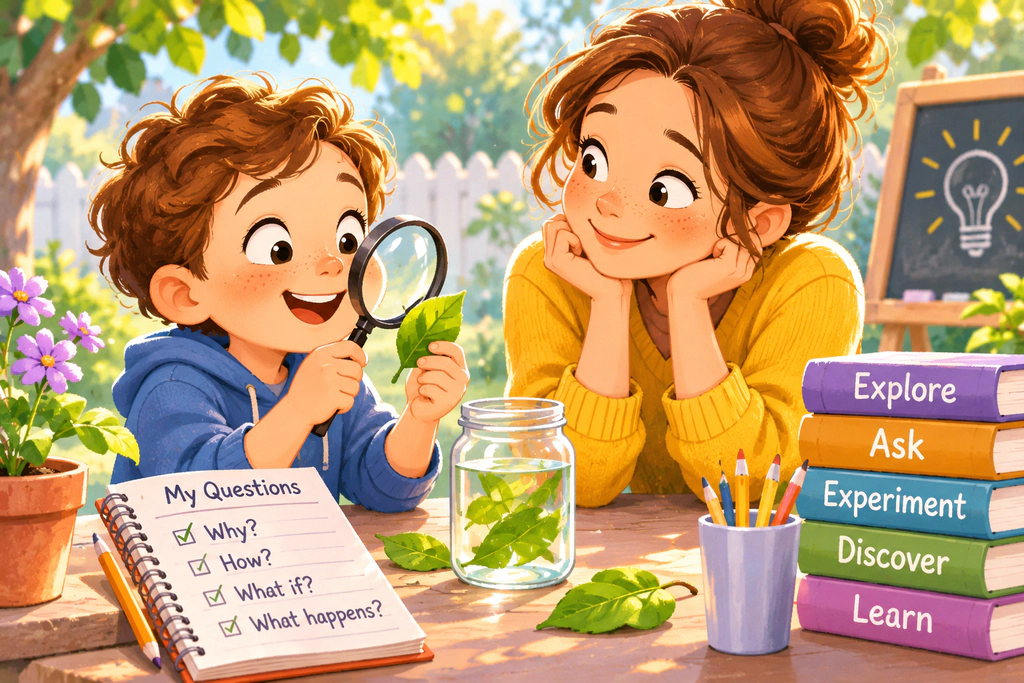
What if raising a confident child starts with something as simple as encouraging them to ask questions? Every time children explore, experiment, or figure out why something didn’t work, they’re building more than knowledge. They’re learning to trust their ideas, embrace challenges, and find solutions independently. The good news is that nurturing curiosity doesn’t require expensive toys or elaborate lessons. Simple conversations, everyday activities, and supportive interactions at home can make a lasting difference.
Discover how parents can turn ordinary moments into meaningful opportunities to strengthen children’s confidence, encourage independent thinking, and develop a lifelong love of learning.
Curiosity as an Emotional Anchor
New situations often bring a mix of excitement and nervousness. Curiosity gives children a steady response to that uncertainty. A child entering a new classroom might focus on where the art supplies are kept, what book the teacher is reading, or how the daily schedule works. Each answer makes the setting feel a little more manageable.
This connection between curiosity and security develops through experience. When children discover that questions lead to useful information, they become more willing to speak up. The curiosity and learning connection also grows through supportive relationships with adults who take children’s ideas seriously.
You can build this emotional anchor by noticing curiosity when it appears. Try saying, “You kept looking until you found another way,” or “That was a thoughtful question.” These comments name a specific action, so the child understands what they did well.
Emotional awareness supports the same process. A child who can say, “I’m confused,” “I’m interested,” or “I’m worried this won’t work” has more choices than a child who can only say, “I can’t do it.” This guide to building an emotional vocabulary for kids offers practical ways to help children identify those different feelings.
Confidence grows when kids realize that uncertainty is temporary. They may not know what happens next, but they know how to begin finding out.
Everyday Spaces That Spark Inquiry
Children don’t need a formal classroom to investigate how things work. A kitchen drawer, patch of dirt, or basket of recycled containers can inspire sorting, measuring, and building. The key is giving children access to materials they can use safely without needing an adult to direct every move.
Set aside a low shelf, small table, or labeled bin where supplies stay within reach. Paper, washable markers, blocks, measuring cups, magnets, and cardboard pieces offer plenty of possibilities. If you have room, you can create a STEM-focused play area at home with organized materials that invite children to build, compare, and solve problems through play.
Keep the setup simple enough for children to manage. Too many choices can make it hard to begin, so display four or five materials and rotate them every week or two. A six-year-old might combine craft sticks and reusable adhesive to build a bridge. An older child could use a ruler, paper, and small objects to test which shapes support the most weight.
Daily routines offer similar openings. Everyday moments of curiosity can emerge while cooking, folding laundry, or walking around the neighborhood. Ask a child to predict which clothes will dry first, estimate how many apples fit in a bowl, or watch where rainwater travels.
Leave some room unfinished. A play area that tells children exactly what to make can limit inquiry, while open materials let their own ideas lead.
Asking Questions Instead of Answers
Instead of giving immediate answers, encourage children to think through problems with simple questions. If a tower keeps falling, ask, “What do you notice about the bottom?” Try prompts like “What could you change?” or “What do you think will happen next?” These questions build observation, problem-solving, and independent thinking.
Ask one question at a time, then wait. Young children may need several seconds to organize their thoughts. Filling every pause can teach them that adults will take over if they hesitate.
Questions also help kids develop confidence in their own interests. The Harvard Graduate School of Education explains that a curious mind benefits when adults model genuine interest and encourage inquiry. You can say, “I don’t know, but I’d like to find out,” then look at a book, examine the object, or test a safe idea together.
There are times when children need a direct answer, especially when a rule protects their health or safety. In open-ended play and everyday learning, though, give them a chance to think before stepping in. If frustration rises, offer a small clue such as, “Try comparing these two pieces.” Enough support keeps the task approachable without removing the discovery.
A child who regularly explains their thinking starts to trust that their ideas deserve attention, even when the first answer needs revision.
Reframing Failure as Discovery
When something goes wrong, children may see it as a sign they can’t succeed. Parents can help them view mistakes as learning opportunities. Instead of criticizing, make neutral observations like, “The plane tipped forward,” then ask what they could change.
Encourage children to adjust one thing at a time and try again. This builds patience, problem-solving skills, and confidence. Research on curiosity and confidence highlights the importance of exploration and supportive adult guidance.
Over time, children can replace “I can’t do this” with “I haven’t figured it out yet,” helping them approach challenges with greater confidence and persistence.
More articles
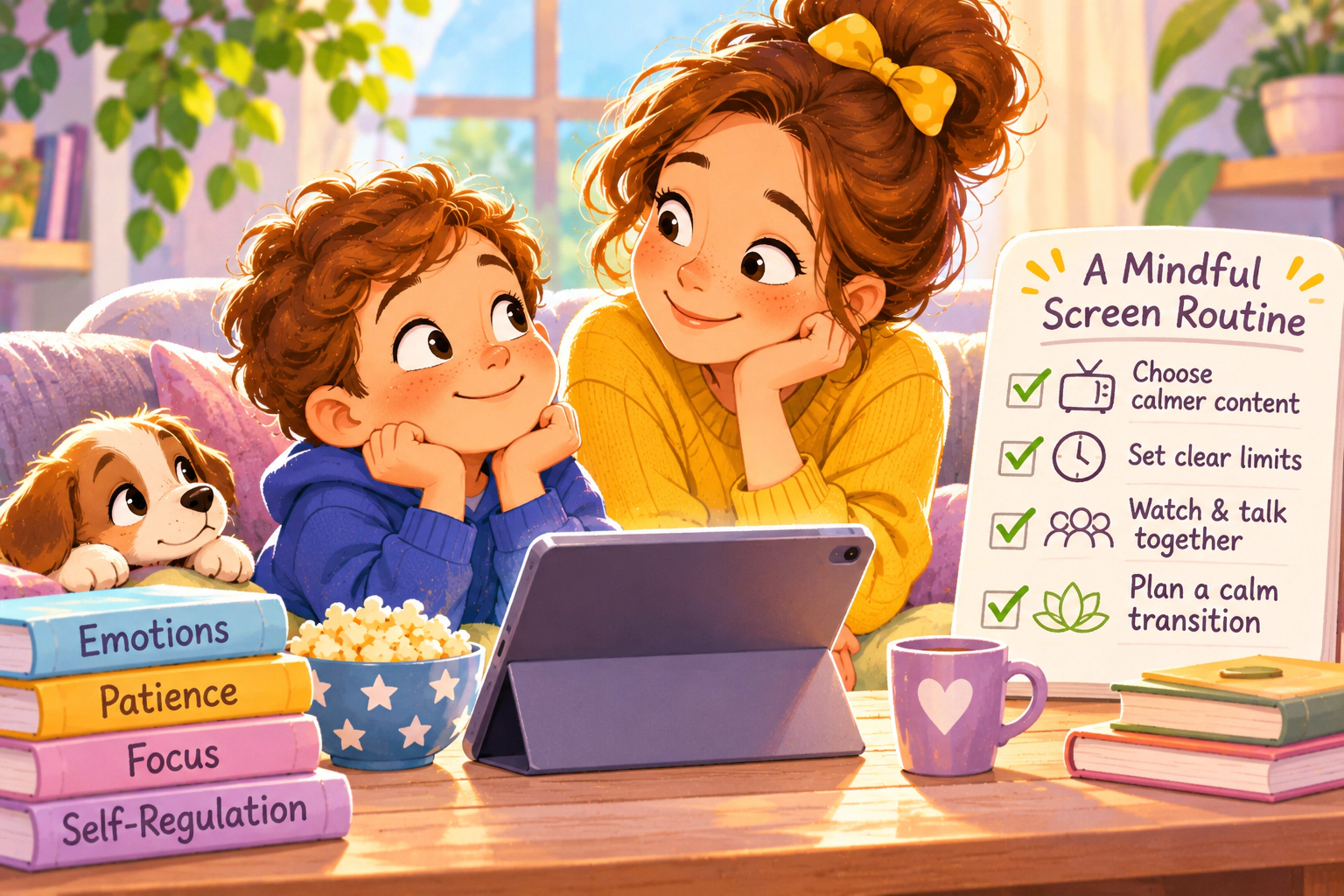
Can Mindful Screen Habits Teach Emotional Regulation?
A child’s screen routine can either support calm transitions or make emotions harder to manage. Content, timing and the way adults participate all shape that experience. Mindful screen habits give children space to notice feelings, practice patience and return to offline activities without a major struggle. While a show can’t teach emotional regulation on its […]
What Happens to Self-Esteem When Kids Hit Learning Walls
A difficult school assignment can affect much more than a child’s grade. When repeated effort leads to confusion, kids may begin to doubt their intelligence, avoid challenges and assume that future attempts will end the same way. These learning walls are common, but the beliefs children form around them can last longer than the academic […]

15 Best Free Read-Aloud Resources for Elementary Teachers (2026)
Finding engaging stories for your classroom shouldn’t mean spending hours searching the internet or paying for another subscription. Fortunately, there are plenty of free read-aloud resources for elementary teachers that make storytime easier, more interactive, and more meaningful. From beautifully narrated picture books to audiobooks, multilingual stories, and educational videos, these resources help teachers bring […]