Can Mindful Screen Habits Teach Emotional Regulation?

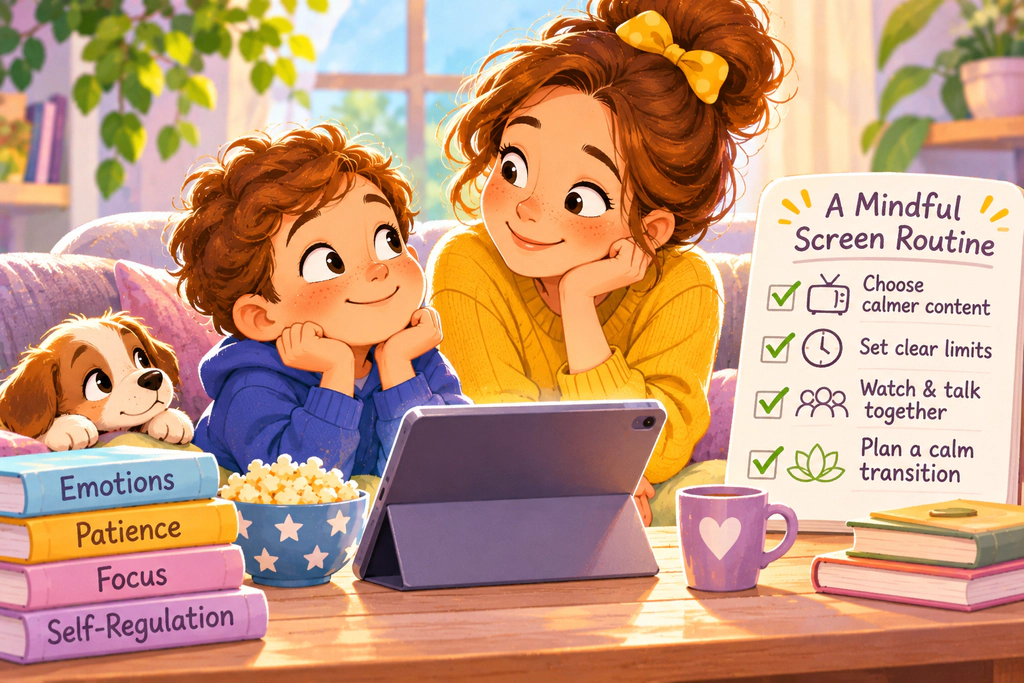
A child’s screen routine can either support calm transitions or make emotions harder to manage. Content, timing and the way adults participate all shape that experience. Mindful screen habits give children space to notice feelings, practice patience and return to offline activities without a major struggle. While a show can’t teach emotional regulation on its own, thoughtful viewing choices can reinforce the skills children are developing through play, conversation and everyday family routines.
Emotional Growth Needs Breathing Room
Emotional regulation develops gradually as children learn to name feelings, wait for what they want and recover from disappointment. Young children rely heavily on an adult’s calm presence during this process. The guidance on digital self-regulation from Children and Screens recommends active adult involvement, predictable limits and media that fits a child’s developmental stage.
Build breathing room around viewing sessions. Tell your child when a show will end, watch together when possible and leave several minutes afterward for a quiet transition. Asking, “How did that character feel when the tower fell?” helps connect an onscreen event with language your child can use during a similar frustration.
How Sensory Overload Scrambles Focus
Rapid cuts, loud sound effects, crowded visuals and constant action can demand repeated shifts in attention. Some children respond with restlessness, irritability or trouble moving to the next activity. Those reactions don’t prove that a particular program caused poor behavior, but they can help you spot patterns in your own child.
If transitions regularly become difficult, compare different kinds of content. Resources that rank Low-Stimulation Kids TV Shows can help parents evaluate pacing, visual intensity and age suitability before pressing play. Try a calmer option at the same time of day for one week. Record how easily your child stops watching, follows a simple direction and begins an offline activity. A short pattern log offers more useful guidance than judging one difficult afternoon.
Choosing Calmer Viewing Options
Preview a few minutes of a program and pay attention to its pace. Calm children’s media often uses longer scenes, clear dialogue, gentle music and stories that leave time for characters to think or respond. Repetition can also help younger viewers follow the plot without constantly processing new information.
Match the program to the moment. A lively show may be manageable on a weekend morning, while quiet storytelling may fit better before dinner or bedtime. Keep autoplay off so that each episode has a clear ending. When possible, choose one planned episode instead of an open-ended viewing period.
Your child’s response matters more than a broad label. A program that settles one preschooler may overwhelm another. Watch for clenched hands, frantic movement, shouting or resistance when the screen turns off, then adjust the content, duration or time of day.
Bridging Onscreen Lessons to Daily Habits
Children understand emotional lessons more clearly when adults connect them to real events. After a character takes a breath or asks for help, practice the same response during play. You might say, “The block tower fell. Let’s pause like the character did and decide what to try next.” Keep the exchange brief so it feels natural.
Offline self-regulation activities can extend this practice through movement, sensory breaks and simple calming routines. The publisher’s guide to emotional self-regulation for kids also offers strategies for helping children recognize and manage strong feelings.
Use a consistent post-screen ritual, such as turning off the device, stretching three times and choosing a book or toy. Repetition turns the transition into a familiar sequence instead of a daily negotiation.
Mindful viewing works best when the screen routine has a clear beginning and ending. The most revealing sign may come after the episode: a child who can name a feeling, accept that viewing time is over and move into play is practicing regulation in a meaningful, everyday way.
More articles
Why Curious Kids Develop Stronger Self-Confidence
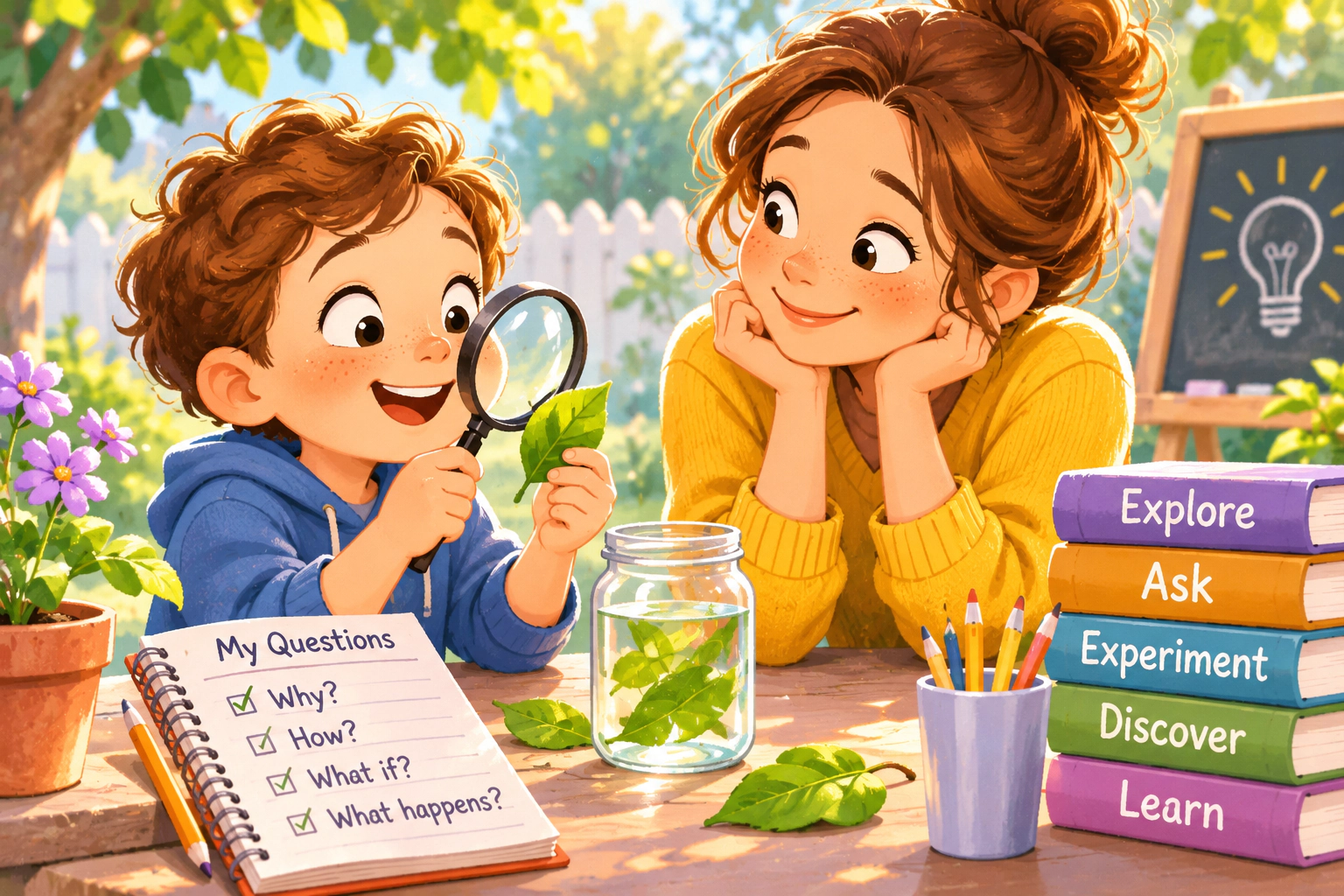
What if raising a confident child starts with something as simple as encouraging them to ask questions? Every time children explore, experiment, or figure out why something didn’t work, they’re building more than knowledge. They’re learning to trust their ideas, embrace challenges, and find solutions independently. The good news is that nurturing curiosity doesn’t require […]
What Happens to Self-Esteem When Kids Hit Learning Walls
A difficult school assignment can affect much more than a child’s grade. When repeated effort leads to confusion, kids may begin to doubt their intelligence, avoid challenges and assume that future attempts will end the same way. These learning walls are common, but the beliefs children form around them can last longer than the academic […]

15 Best Free Read-Aloud Resources for Elementary Teachers (2026)
Finding engaging stories for your classroom shouldn’t mean spending hours searching the internet or paying for another subscription. Fortunately, there are plenty of free read-aloud resources for elementary teachers that make storytime easier, more interactive, and more meaningful. From beautifully narrated picture books to audiobooks, multilingual stories, and educational videos, these resources help teachers bring […]