15 Best Free Read-Aloud Resources for Elementary Teachers (2026)

Finding engaging stories for your classroom shouldn’t mean spending hours searching the internet or paying for another subscription. Fortunately, there are plenty of free read-aloud resources for elementary teachers that make storytime easier, more interactive, and more meaningful.
From beautifully narrated picture books to audiobooks, multilingual stories, and educational videos, these resources help teachers bring literature to life while supporting vocabulary, listening comprehension, and a love of reading.
Whether you’re planning a kindergarten storytime, a first-grade literacy lesson, or an interactive read-aloud for older elementary students, this guide will help you find the right resource.
Short on time? Here are our top five picks:
- Best for picture-book read-alouds: Storyline Online
- Best for multilingual classrooms: Unite for Literacy
- Best for free audio stories: Storynory
- Best for science-themed storytime: Story Time From Space
- Best for reading comprehension: ReadWorks
Below, you’ll find 15 resources, what makes each one useful, and practical ways to bring them into your classroom.
Quick Comparison: Best Free Read-Aloud Resources for Teachers
Not every reading platform offers the same experience. Some feature professional storytellers, while others provide narrated digital books, audio-only stories, or teaching materials.
| Resource | Best For | Suggested Grades | Free Access |
|---|---|---|---|
| Storyline Online | Video picture-book readings | K–3 | Free |
| Unite for Literacy | Multilingual narrated books | K–2 | Free |
| Storynory | Audio stories and fairy tales | K–5 | Free |
| Story Time From Space | Reading and science | K–5 | Free |
| Khan Academy Kids | Early literacy and story activities | K–2 | Free app |
| PBS KIDS Read | Author-led read-aloud videos | K–3 | Free |
| Lit2Go | Audiobooks and poetry | 2–5 | Free |
| Oxford Owl | Digital books for early readers | K–5 | Free with registration |
| Epic School | Digital books and read-to-me titles | K–5 | Free during eligible school hours |
| ReadWorks | Narrated nonfiction and comprehension | K–5 | Free with account |
| Storyberries | Video stories and read-alongs | K–4 | Free content |
| LibriVox | Classic audiobooks | 3–5 | Free |
| TeachingBooks | Author recordings and book resources | K–5 | Free resources; access varies |
| BookTrust | Interactive stories and storytime | K–2 | Free |
| Brightly Storytime | Picture-book video readings | K–3 | Free videos |
Grade ranges are suggested classroom uses, not official age ratings. Free access, available titles, and school-use conditions may change.
1. Storyline Online — Best for Professional Picture-Book Read-Alouds
Website: https://storylineonline.net/
Best for: Kindergarten through third grade
Format: Narrated story videos
Storyline Online is one of the most recognizable free read-aloud websites for teachers. The platform features children’s picture books read aloud by professional performers, with illustrations that help bring each story to life.
The combination of expressive narration and engaging visuals makes it especially useful for introducing stories to young readers.
Why teachers will love it:
- Engaging narrators model expressive reading.
- Illustrated videos help children follow the story.
- Many featured books include accompanying activity guides.
- Stories work well for whole-class viewing and discussions.
Classroom activity idea: After watching a story, invite students to identify the main character’s feelings at the beginning, middle, and end. Discuss what caused those feelings to change.
Teacher tip: Pause at an important moment and ask, “What do you think the character will do next?” Encourage students to support their predictions with clues from the story.
2. Unite for Literacy — Best for Multilingual Read-Aloud Books
Website: https://www.uniteforliteracy.com/
Best for: Kindergarten through second grade
Format: Digital picture books with audio narration
Unite for Literacy offers a free digital library designed to make reading accessible to children from different linguistic and cultural backgrounds.
Its collection includes hundreds of picture books covering everyday experiences, animals, science, families, and communities. Audio narration is available in numerous languages, making the platform particularly helpful for multilingual classrooms.
Why teachers will love it:
- No login is required to explore the library.
- Narration supports children learning English.
- Photographs and simple text make topics approachable.
- Teachers can share books on a classroom screen.
- Families can explore stories in their home languages.
Classroom activity idea: Choose a book about families or communities. Invite students to share a word from their home language that relates to the story.
Teacher tip: Use the same book for a whole-class discussion and then invite students to listen again in a language they know.
3. Storynory — Best for Free Audio Stories for Kids
Website: https://www.storynory.com/
Best for: Kindergarten through fifth grade
Format: Audio stories, fairy tales, and original fiction
Storynory is a collection of free audio stories for children, including fairy tales, myths, original adventures, and classic literature.
Unlike video-based read-aloud websites, Storynory encourages children to create their own mental pictures while listening.
This makes it particularly useful for developing listening comprehension, imagination, and storytelling skills.
Why teachers will love it:
- A wide variety of stories and genres.
- Audio-based storytelling encourages focused listening.
- Useful for quiet time and listening centers.
- Stories can inspire creative writing and drawing.
- Teachers can choose short selections for classroom activities.
Classroom activity idea: Play a short story without showing illustrations. Ask students to draw the setting based on what they heard.
Afterward, compare their drawings and discuss how different listeners imagined the same story.
Teacher tip: Introduce two or three unfamiliar words before playing the recording to help students understand the story.
4. Story Time From Space — Best for Combining Reading and Science
Website: https://storytimefromspace.com/
Best for: Kindergarten through fifth grade
Format: Video read-alouds and science demonstrations
What could make storytime more exciting than having a book read aloud by an astronaut?
Story Time From Space brings reading and science together through videos of astronauts reading children’s books aboard the International Space Station.
Many stories connect naturally to topics such as space, gravity, exploration, engineering, and scientific discovery.
Why teachers will love it:
- An unusual storytelling setting captures attention.
- Stories connect literacy with STEM learning.
- Videos can introduce science vocabulary.
- Children can explore questions about space and astronauts.
- The platform also features educational science demonstrations.
Classroom activity idea: After a space-themed read-aloud, ask students to imagine living on the International Space Station.
Have them draw or write about three things they would bring and explain why.
Teacher tip: Pair a story with a related science activity to create a cross-curricular lesson.
5. Khan Academy Kids — Best for Early Literacy and Interactive Learning
Website: https://www.khanacademy.org/kids
Best for: Kindergarten through second grade
Format: Educational app with books, activities, and lessons
Khan Academy Kids is a free educational app designed for young learners. It combines reading, storytelling, language development, and interactive activities.
Its friendly characters and engaging lessons make it a useful choice for teachers looking for additional early literacy practice.
Why teachers will love it:
- Free access without in-app purchases.
- Books and activities designed for young children.
- Literacy practice alongside math and social-emotional learning.
- Activities can support different learning levels.
- Useful for independent learning stations.
Classroom activity idea: After students explore a story, invite them to identify their favorite character and explain what makes that character special.
Teacher tip: Use the app for literacy centers or independent practice rather than relying on it as a replacement for teacher-led reading.
6. PBS KIDS Read — Best for Author-Led Storytime Videos
Website: https://pbskids.org/videos/pbskidsread
Best for: Kindergarten through third grade
Format: Video read-alouds
PBS KIDS offers a collection of read-aloud videos featuring authors and other storytellers sharing children’s books.
These videos introduce students to different storytelling styles, characters, and experiences.
They can also provide opportunities to discuss diversity, friendship, courage, and belonging.
Why teachers will love it:
- Engaging videos suitable for young audiences.
- Stories featuring different voices and experiences.
- Opportunities to connect reading with classroom discussions.
- Short videos that can fit into literacy lessons.
- Familiar educational programming.
Classroom activity idea: Choose a story about friendship or belonging. After watching, ask students to share one way they can help a classmate feel included.
Teacher tip: Preview the video and prepare two discussion questions before showing it.
7. Lit2Go — Best for Free Audiobooks and Poetry
Website: https://etc.usf.edu/lit2go/
Best for: Second through fifth grade
Format: MP3 audiobooks, stories, poems, and printable text
Lit2Go is a free educational collection of recorded literature developed by the Florida Center for Instructional Technology at the University of South Florida.
The collection includes classic stories, poetry, and other literary works. Many recordings include downloadable text, allowing students to listen and follow along.
Why teachers will love it:
- Free audio recordings.
- Printable reading passages for many selections.
- Literature organized by categories and readability.
- Useful for poetry lessons and listening centers.
- Opportunities to practice reading fluency.
Classroom activity idea: Choose a short poem and play its audio recording. Ask students to listen for rhythm, repetition, and interesting word choices.
Then invite them to read the poem aloud with a partner.
Teacher tip: Preview classic texts carefully, as some may contain outdated language or themes that require context.
8. Oxford Owl — Best for Free Digital Books for Early Readers
Website: https://home.oxfordowl.co.uk/reading/free-ebooks/
Best for: Kindergarten through fifth grade
Format: Digital ebooks
Oxford Owl provides a free ebook library designed to help children develop reading skills.
The collection includes fiction, nonfiction, and phonics-focused books at different reading levels.
Although it is not exclusively a narrated read-aloud platform, it can be useful for teacher-led reading, shared reading, and supporting children who are beginning to read independently.
Why teachers will love it:
- Books organized by reading level.
- Phonics-focused titles for early readers.
- Fiction and nonfiction choices.
- Useful for small-group reading practice.
- Free registration provides access to the ebook library.
Classroom activity idea: Choose a short ebook and read it together. Ask students to identify repeated words, recognize familiar sounds, or retell the story in order.
Teacher tip: The free home library requires registration and is designed primarily for home use. Teachers should check the appropriate school access options and usage terms before classroom use.
9. Epic School — Best for Digital Read-to-Me Books
Website: https://www.getepic.com/educators
Best for: Kindergarten through fifth grade
Format: Digital books, audiobooks, and read-to-me titles
Epic is a digital reading platform offering children’s books in different formats, including narrated titles.
Its free Epic School option provides eligible educators with access to a school-hours library.
This makes it useful for classroom reading centers and differentiated literacy instruction.
Why teachers will love it:
- A large collection of children’s books.
- Read-to-me options for selected titles.
- Fiction and nonfiction topics.
- Books suitable for different reading interests.
- Opportunities for independent reading.
Classroom activity idea: Let students choose a narrated book on a shared topic, such as animals or friendship.
After listening, invite them to share one interesting fact or lesson they learned.
Teacher tip: Free Epic School access is limited to eligible school hours. Check the current schedule and available titles before planning lessons.
10. ReadWorks — Best for Read-Alouds With Comprehension Activities
Website: https://www.readworks.org/
Best for: Kindergarten through fifth grade
Format: Reading passages, narrated ebooks, and comprehension activities
ReadWorks is a free literacy resource offering reading passages, educational texts, and activities designed to strengthen comprehension.
Many passages include audio support, making the platform useful for listening comprehension and shared reading.
Unlike traditional storytime websites, ReadWorks focuses strongly on reading instruction and understanding informational text.
Why teachers will love it:
- Reading materials organized by grade and topic.
- Audio support for many texts.
- Comprehension questions.
- Differentiated reading passages.
- Useful nonfiction resources.
Classroom activity idea: Select a short informational passage about animals or nature.
Read or play the passage aloud, then ask students to identify three facts and one question they still have.
Teacher tip: Use ReadWorks when your lesson objective includes comprehension, vocabulary, or background knowledge.
11. Storyberries — Best for Short Read-Along Stories
Website: https://www.storyberries.com/tv/
Best for: Kindergarten through fourth grade
Format: Story videos and online children’s stories
Storyberries offers free children’s stories across a range of themes, including friendship, adventure, animals, and imagination.
Its Storyberries TV section features story videos and read-along content.
This makes it useful when teachers need an engaging story for a short literacy lesson.
Why teachers will love it:
- Stories organized by theme.
- A variety of genres.
- Read-along video options.
- Opportunities for character discussions.
- Short stories suitable for classroom transitions.
Classroom activity idea: After watching a story, ask students to identify the problem the character faced and suggest another possible solution.
Teacher tip: Preview stories and any advertising or external links before classroom use.
12. LibriVox — Best for Classic Children’s Audiobooks
Website: https://librivox.org/
Best for: Third through fifth grade
Format: Audiobooks
LibriVox is a free audiobook library featuring public-domain works recorded by volunteers.
Teachers can explore classic literature, fairy tales, poetry, and longer stories.
The collection is particularly useful for introducing older elementary students to classic storytelling and more complex vocabulary.
Why teachers will love it:
- Free audiobook recordings.
- A wide collection of classic literature.
- Opportunities for extended listening.
- Useful for listening centers.
- Audio can support chapter-book discussions.
Classroom activity idea: Listen to a short section of a classic story. Ask students to identify the setting, characters, and main problem.
Invite them to compare the story with a modern book they have read.
Teacher tip: Narration quality varies because recordings are volunteer-produced. Preview both the recording and the text before using them with students.
13. TeachingBooks — Best for Author Recordings and Book Connections
Website: https://www.teachingbooks.net/
Best for: Kindergarten through fifth grade
Format: Author recordings, book-related audio, videos, and teaching resources
TeachingBooks connects children’s literature with materials that help students learn more about books and their creators.
Its resources include author interviews, name-pronunciation recordings, book trailers, and selected read-along or complete-book recordings.
Access to individual materials may depend on registration or institutional arrangements.
Why teachers will love it:
- Opportunities to hear authors discuss their books.
- Audio and video materials connected to literature.
- Resources for author studies.
- Useful supplements to classroom read-alouds.
- Activities that encourage curiosity about writing.
Classroom activity idea: After reading a picture book, explore an available author recording.
Ask students what they would like to ask the author if they could meet them.
Teacher tip: Confirm which recordings are available through your school’s account or the platform’s free-access options.
14. BookTrust — Best for Interactive Storytime Activities
Website: https://www.booktrust.org.uk/how-we-help/have-fun-at-home/
Best for: Kindergarten through second grade
Format: Interactive stories, videos, and activities
BookTrust is a reading charity that offers free online stories and activities to encourage children’s enjoyment of books.
Its resources include interactive storybooks, storytelling videos, and creative activities inspired by children’s literature.
The combination of stories and playful learning makes it especially suitable for younger elementary students.
Why teachers will love it:
- Free storytime resources.
- Interactive reading experiences.
- Creative follow-up activities.
- Opportunities for discussion and play.
- Stories that can support early language development.
Classroom activity idea: After enjoying an interactive story, invite students to create a new ending or draw an additional character.
Teacher tip: Some activities are designed for families, so adapt them for group instruction and check device compatibility.
15. Brightly Storytime — Best for Engaging Picture-Book Videos
Website: https://www.brightly.com/
Best for: Kindergarten through third grade
Format: Selected video read-alouds and book-related content
Brightly, a reading-focused resource from Penguin Random House, offers children’s book recommendations, reading inspiration, and storytime content.
Brightly Storytime videos can be useful for introducing picture books and encouraging children to explore new stories.
Why teachers will love it:
- Story videos featuring children’s literature.
- Opportunities to discover new picture books.
- Useful discussion starters.
- Connections between stories and children’s everyday experiences.
- Reading inspiration for families and educators.
Classroom activity idea: After a story, invite students to describe the main character using three words.
Ask them to explain which actions in the story helped them choose those words.
Teacher tip: Browse available storytime videos in advance, as the website includes broader book recommendations and promotional content alongside free resources.
Best Free Read-Aloud Resources by Grade Level
The best read-aloud resource depends on your students’ ages, interests, and reading abilities.
Kindergarten: Focus on Pictures, Sounds, and Simple Stories
Young children benefit from engaging illustrations, expressive narration, repetition, and opportunities to participate.
Recommended resources:
- Storyline Online
- Unite for Literacy
- PBS KIDS Read
- Khan Academy Kids
- BookTrust
Choose stories with clear characters, familiar experiences, and opportunities for children to predict what happens next.
First and Second Grade: Build Vocabulary and Story Comprehension
As children become more confident readers, read-alouds can introduce richer vocabulary and more complex story structures.
Recommended resources:
- Storyline Online
- Storynory
- Oxford Owl
- Epic School
- Storyberries
Encourage students to describe characters, identify problems and solutions, and retell stories in their own words.
Third Through Fifth Grade: Encourage Critical Thinking and Discussion
Older elementary students can explore longer stories, informational texts, and themes that encourage deeper thinking.
Recommended resources:
- Story Time From Space
- Lit2Go
- ReadWorks
- LibriVox
- TeachingBooks
Ask open-ended questions that encourage students to explain their opinions and support them with details from the text.
How to Make Read-Aloud Time More Interactive
A successful classroom read-aloud is more than simply pressing play or reading a book from beginning to end.
With a few thoughtful questions and activities, teachers can turn storytime into an engaging learning experience.
Try This 15-Minute Interactive Read-Aloud Routine
Minutes 1–3: Before Reading
Show students the book cover or introduce the title.
Ask:
- What do you think this story might be about?
- What do you notice about the characters?
- Have you experienced something similar?
Introduce one or two important vocabulary words.
Minutes 4–11: During Reading
Read or play the story, pausing briefly at meaningful moments.
Ask:
- How do you think the character feels?
- What might happen next?
- Why do you think the character made that choice?
Avoid stopping too frequently. Children also need time to enjoy the story and follow its flow.
Minutes 12–15: After Reading
Choose one short response activity.
Students might:
- Retell the story with a partner.
- Draw their favorite scene.
- Describe the main character.
- Share a lesson they learned.
- Suggest a different ending.
This simple routine can be adapted for different grade levels and learning objectives.
5 Creative Read-Aloud Activities for Elementary Students
Looking for ways to make classroom storytime more memorable? Try these easy activities.
1. Feelings Detective
Ask students to identify how a character feels at different moments.
Encourage them to notice facial expressions, actions, and words that reveal emotions.
Skills practiced: Emotional awareness, empathy, comprehension.
2. Predict the Ending
Pause before an important event and invite students to predict what happens next.
After finishing the story, compare their predictions with the actual ending.
Skills practiced: Critical thinking, listening, prediction.
3. Character Interview
Invite one student to pretend to be a character from the story.
Classmates ask questions about the character’s feelings, decisions, and experiences.
Skills practiced: Communication, perspective-taking, speaking.
4. Draw What You Hear
Play an audio story without showing illustrations.
Ask students to draw a character, setting, or event based on the description.
Skills practiced: Listening comprehension, imagination, visualization.
5. Kindness in Action
After reading a story involving friendship, kindness, or helping others, invite students to identify one kind action they can practice that day.
Skills practiced: Empathy, social awareness, positive behavior.
Using Read-Aloud Books to Teach Social-Emotional Learning
Stories can help children understand experiences that are sometimes difficult to explain directly.
When students listen to a character facing disappointment, making a mistake, helping a friend, or overcoming a challenge, they have an opportunity to explore emotions and choices in a safe, age-appropriate way.
This makes picture books valuable tools for social-emotional learning (SEL).
Teachers can use read-alouds to introduce important skills such as:
- Kindness: Recognizing opportunities to help others.
- Empathy: Understanding how another person might feel.
- Gratitude: Appreciating people, experiences, and everyday moments.
- Confidence: Trying new things and learning from mistakes.
- Communication: Expressing thoughts and feelings respectfully.
- Honesty: Understanding why telling the truth matters.
For example, after reading a story about a character who feels excluded, teachers can ask:
“How do you think the character felt when nobody invited them to play?”
“What could the other children have done differently?”
“How can we help someone feel welcome in our classroom?”
These questions encourage children to connect the story with real-life situations.
Explore Social-Emotional Learning Through Picture Books
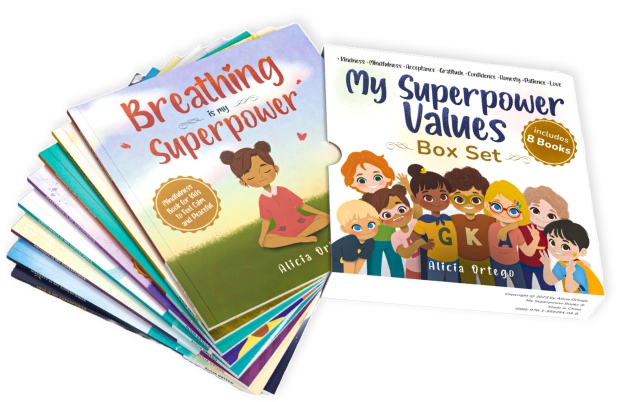
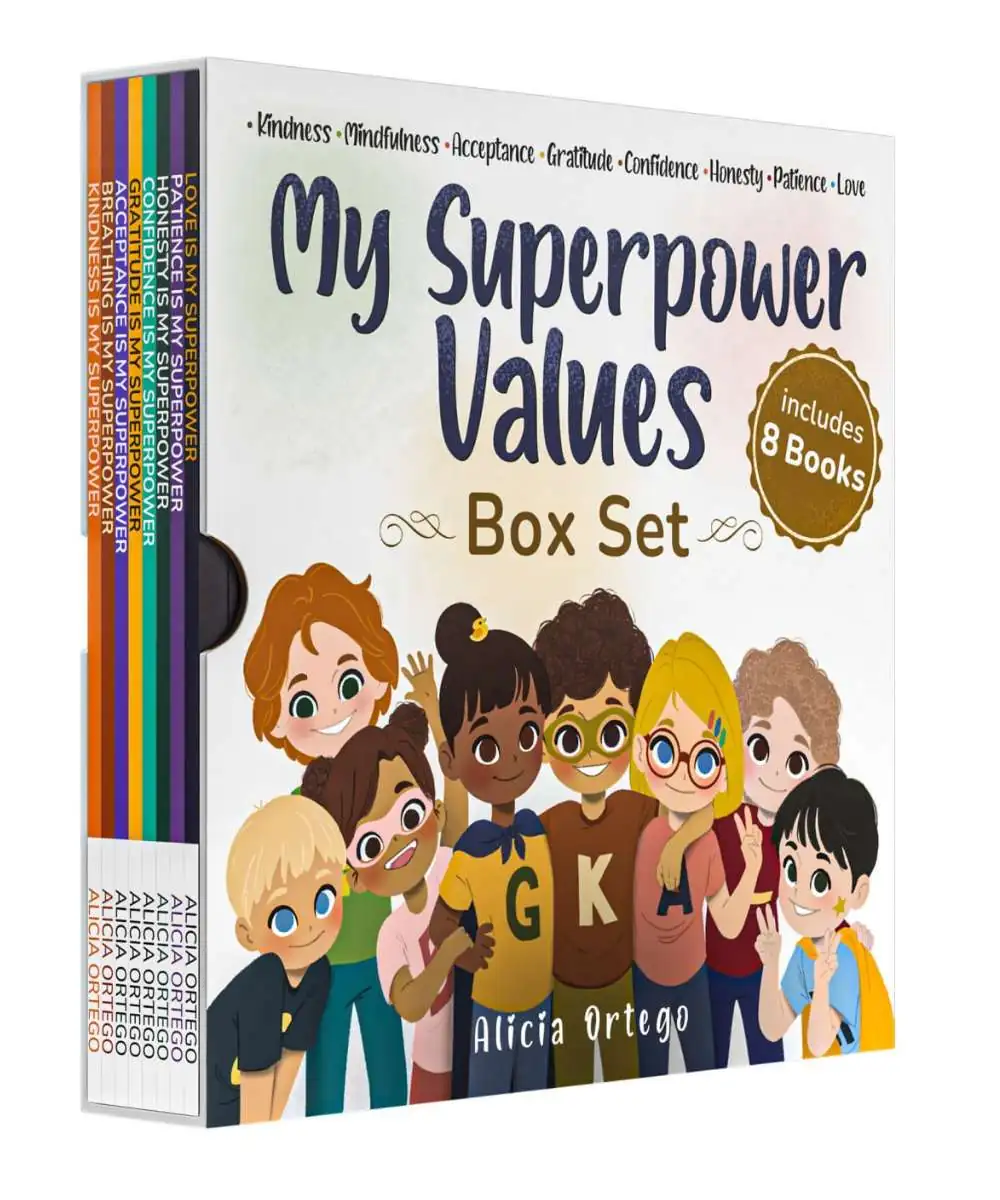
Children’s books by Alicia Ortego explore important life skills through relatable characters and everyday experiences.
Books such as Kindness Is My Superpower and Gratitude Is My Superpower can provide starting points for classroom conversations about thoughtful choices, appreciation, and positive relationships.
Teachers can extend the reading experience with discussions, role-playing, drawing, or simple reflection activities.
For more ideas, explore the best SEL picture books for kids and discover ways to use Alicia Ortego’s books in the classroom.
The goal isn’t simply to teach children what a character should have done. It’s to help them reflect, understand different perspectives, and practice making thoughtful decisions themselves.
How to Choose the Right Free Read-Aloud Website
With so many options available, choosing a read-aloud resource can feel overwhelming.
Before using a new platform, consider these five questions.
1. Is the content appropriate for my students?
Look for stories that match your students’ interests, language development, and comprehension abilities.
2. Is the resource genuinely free?
Some platforms provide unlimited free access, while others offer restricted libraries, educator accounts, or time-limited access.
3. Does it support my lesson objective?
A narrated picture book might work best for discussing emotions, while an informational passage may be more useful for building background knowledge.
4. Is it easy to use in the classroom?
Consider whether the resource works on your available devices, requires registration, or includes advertisements and external links.
5. Can students participate actively?
The most useful read-alouds create opportunities for prediction, discussion, reflection, and creative responses.
A simple, well-chosen story with thoughtful questions can be more effective than an elaborate digital activity.
Frequently Asked Questions About Free Read-Aloud Resources
Where can teachers find free read-aloud books online?
Teachers can find free read-aloud books and stories through websites such as Storyline Online, Unite for Literacy, Storynory, and PBS KIDS Read. These resources offer narrated picture books, audio stories, or story videos suitable for elementary students.
What are the best free read-aloud websites for kindergarten?
Storyline Online, Unite for Literacy, PBS KIDS Read, and BookTrust are useful options for kindergarten. They offer visual storytelling, simple narratives, and opportunities to develop listening comprehension and vocabulary.
Are there free read-aloud resources without subscriptions?
Yes. Unite for Literacy, Storynory, Lit2Go, and LibriVox provide free content without requiring a paid subscription. Some other platforms require free registration or limit access to particular hours.
Can teachers play YouTube read-aloud videos in the classroom?
Teachers should choose videos shared by authors, publishers, educational organizations, or other authorized sources and check the applicable classroom-use terms.
A video being publicly available does not automatically mean it can be copied, downloaded, reposted, or used in every setting. Preview videos for age appropriateness, advertisements, and external links.
How can teachers make read-alouds more interactive?
Teachers can pause to ask prediction questions, discuss characters’ emotions, introduce vocabulary, and invite students to retell or illustrate the story. Short, purposeful interactions help students participate without interrupting the flow of the book.
What is the difference between an audiobook and a video read-aloud?
An audiobook focuses primarily on spoken narration, encouraging children to listen and imagine the story. A video read-aloud may also display illustrations, text, or the storyteller. Both formats can support listening comprehension, but teachers should choose the one that best fits the lesson.
Final Thoughts: Make Every Read-Aloud Count
A wonderful story doesn’t need an expensive subscription or complicated lesson plan.
With the right free read-aloud resources, elementary teachers can introduce children to new ideas, strengthen listening skills, spark imagination, and create meaningful classroom conversations.
Whether you’re exploring picture books through Storyline Online, discovering multilingual stories with Unite for Literacy, or combining literature and science through Story Time From Space, there’s a resource for almost every classroom.
And sometimes, the most meaningful part of a read-aloud isn’t the story itself—it’s the conversation that follows.
Choose a story, gather your students, and let reading open the door to learning, imagination, and connection.
Looking for even more inspiration? Explore our collection of free reading websites for kids and discover new ways to make reading an enjoyable part of every school day.
More articles
Can Mindful Screen Habits Teach Emotional Regulation?
A child’s screen routine can either support calm transitions or make emotions harder to manage. Content, timing and the way adults participate all shape that experience. Mindful screen habits give children space to notice feelings, practice patience and return to offline activities without a major struggle. While a show can’t teach emotional regulation on its […]
Why Curious Kids Develop Stronger Self-Confidence
What if raising a confident child starts with something as simple as encouraging them to ask questions? Every time children explore, experiment, or figure out why something didn’t work, they’re building more than knowledge. They’re learning to trust their ideas, embrace challenges, and find solutions independently. The good news is that nurturing curiosity doesn’t require […]
What Happens to Self-Esteem When Kids Hit Learning Walls
A difficult school assignment can affect much more than a child’s grade. When repeated effort leads to confusion, kids may begin to doubt their intelligence, avoid challenges and assume that future attempts will end the same way. These learning walls are common, but the beliefs children form around them can last longer than the academic […]