Wondering how to teach kids to read? Teaching reading is one of the most rewarding yet challenging milestones in early childhood development. Many parents struggle with where to start, how to keep their child engaged, and what to do if reading doesn’t come easily. The good news? There are proven strategies and tools to help! In this guide, we’ll explore effective techniques, fun activities, and valuable resources to make learning to read an enjoyable journey for both you and your child.
The Foundations of Learning to Read
Before diving into reading strategies, it’s essential to understand the key building blocks of literacy development:
1. Phonemic Awareness – This is the ability to hear, identify, and manipulate sounds in words. Simple activities like rhyming games and clapping out syllables can strengthen this skill.
2. Phonics – Teaching the relationship between letters and sounds helps children decode words. Flashcards, letter magnets, and phonics-based books can reinforce learning.
3. Letter Recognition – Kids need to recognize and name letters before they can start reading. Incorporate alphabet puzzles, tracing exercises, and letter-matching games into daily activities.
4. Vocabulary Development – A rich vocabulary helps children understand what they read. Talk to your child often, read a variety of books, and introduce new words through storytelling.
5. Comprehension Skills – Reading isn’t just about sounding out words—it’s about understanding them. Ask questions while reading and encourage your child to retell stories in their own words.
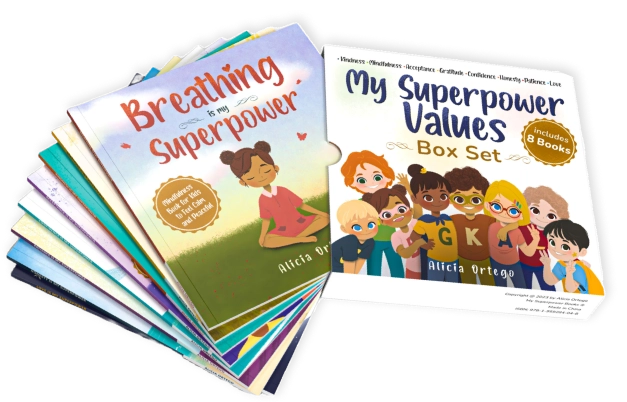
Books like Listening is My Superpower help children develop comprehension skills by teaching them to listen carefully, follow instructions, and understand what others are saying.
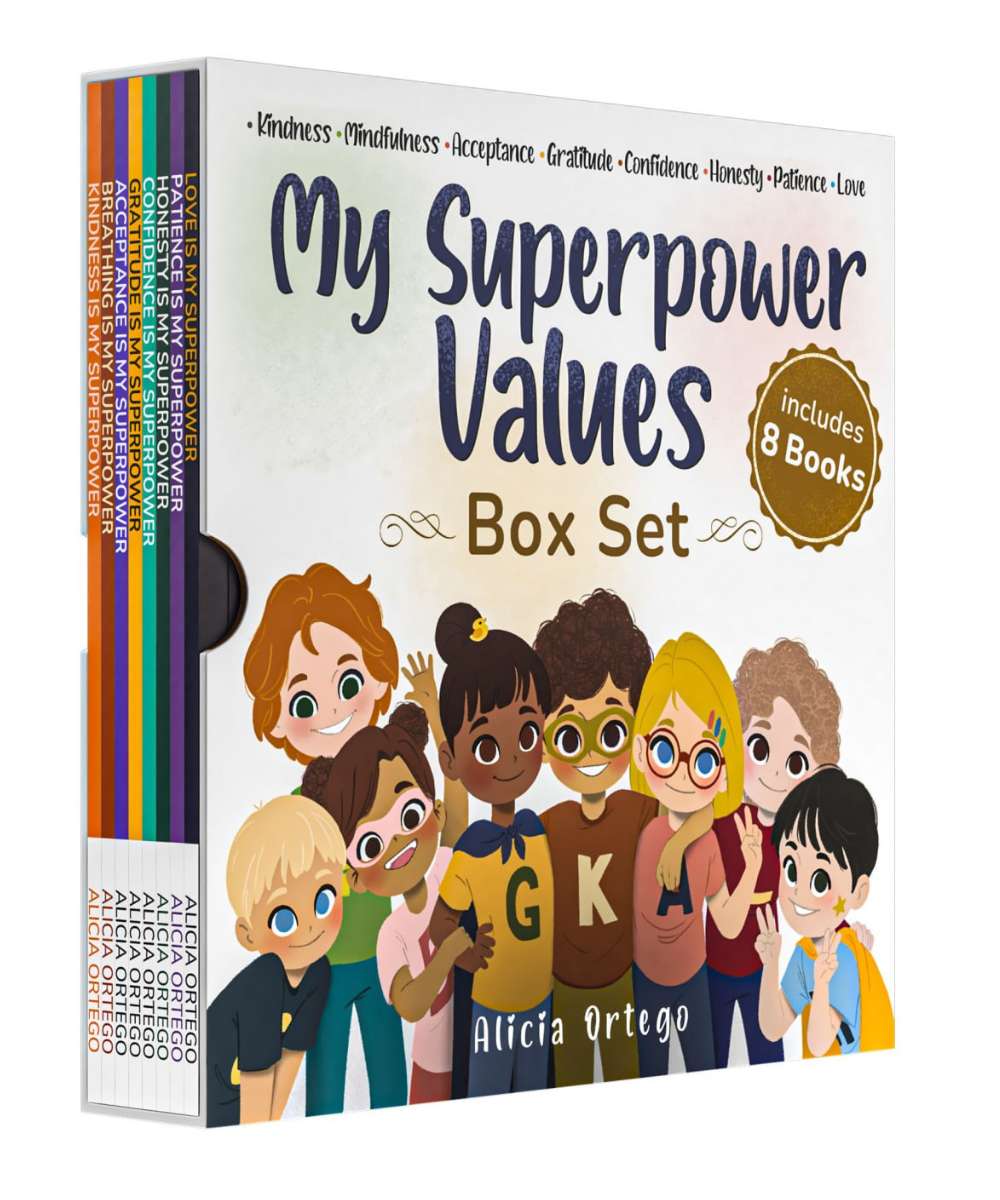
To make learning even more fun, we’ve created an engaging word search game that helps your child recognize letters, find familiar words, and reinforce key values from Alicia Ortego’s ‘My Superpower Values’ book series.
Download a free PDF with this game.
Effective Strategies on How to Teach Kids to Read
6. Read Aloud Daily
Reading together fosters a love for books and helps children develop listening skills, vocabulary, and comprehension. Choose age-appropriate books with engaging illustrations and repetitive text.
7. Practice Sight Words
Sight words are commonly used words that children should recognize instantly (e.g., the, and, it, she). Flashcards, memory games, and word walls can make learning sight words fun and effective.
8. Use Phonics-Based Games
Apps like Reading Eggs and ABCmouse offer interactive phonics lessons, while hands-on games like word puzzles and scavenger hunts reinforce letter-sound connections.
9. Encourage Writing Alongside Reading
Writing helps reinforce reading skills. Have your child practice tracing letters, forming simple words, or writing short sentences related to their favorite books.
10. Model a Reading-Friendly Environment
Set an example by reading in front of your child. Create a cozy reading nook and keep a variety of books accessible. Showing enthusiasm for reading encourages kids to follow suit.
How to Make Learning to Read Fun and Engaging
- Turn Reading into a Game: Play “I Spy” with letters, act out stories, or use puppets to bring characters to life.
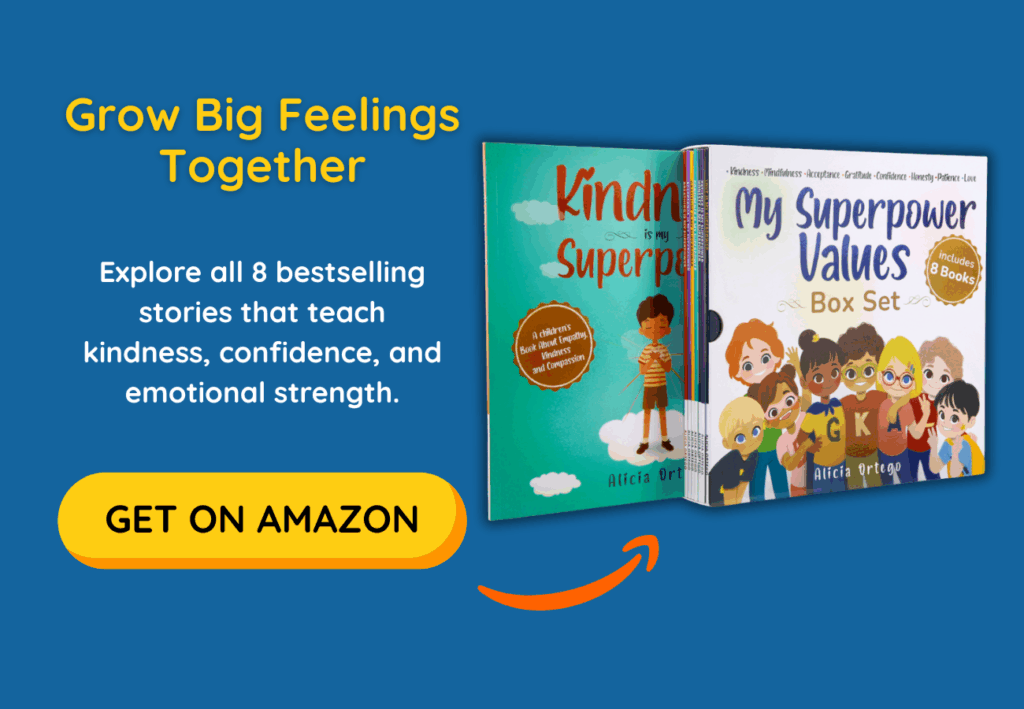
Using stories like Kindness is My Superpower allows children to act out simple scenes while practicing reading, emotional understanding, and positive communication.
- Incorporate Technology: Use educational reading apps and audiobooks to add variety.
- Create a Home Library: Let kids choose their own books and rotate selections to maintain interest.
- Engage in Storytelling: Encourage your child to make up their own stories based on pictures or prompts.
Resources for Parents: Programs and Tools
Here are some excellent resources to support your child’s reading journey:
- Reading Rockets – Research-based reading strategies and activities.
- Reading Eggs – Fun, interactive online reading lessons.
- Scholastic – Age-appropriate book recommendations and reading tips.
- Free Reading Program – A structured online program for developing literacy skills.
Looking for more ways to support your child’s reading journey? Explore our curated list of the top reading websites for kids to find engaging and educational resources!
Helping Struggling Readers SucceedIf your child is finding reading particularly challenging, try these strategies:
- Be Patient and Encouraging: Celebrate small successes and avoid putting pressure on them.
- Use Multisensory Approaches: Let children trace letters in sand, use letter tiles, or sing phonics songs.
- Break Reading into Small Steps: Read short passages, gradually increasing complexity.
- Seek Additional Support: Consider consulting a literacy specialist if reading difficulties persist.
Learning how to teach kids to read is a journey that requires consistency, creativity, and patience. By building foundational skills, using effective strategies, and incorporating engaging resources, you can help your child develop a lifelong love for reading.
More articles

Creating a healthier rhythm between screens, play, and rest
It is five o’clock, homework is finished, and your child asks for the tablet. The device has already been used for school, but a favorite game or video may also be how your child relaxes at the end of a long day. Moments like this can make screen decisions feel more complicated than they need […]
Family Reading Night Ideas: 40 Fun Activities for Schools and Families
Family Reading Night is one of the simplest ways a school can turn reading from a homework chore into something a whole family looks forward to. When it’s done well, kids see their parents excited about books, parents see how their children read and think, and teachers get a rare evening where the whole community […]
How Art Activities Help Kids Build Confidence
Every parent has watched their child hesitate before trying something new. Maybe it was raising a hand in class, joining a game at the playground, or simply saying hello to another kid. Confidence is not something children are born with. It is a skill they build, one small success at a time. And few places […]