Helping Kids Think for Themselves — Gently and Without Pressure

Independent thinking is the ability to look at a situation, ask questions, form opinions, and make choices with confidence. Kids who think for themselves tend to feel steadier in their daily lives. They trust their thoughts and can speak up even if others see things differently. Parents and teachers often want this skill for kids, yet many feel unsure about how to guide them without adding pressure or stress.
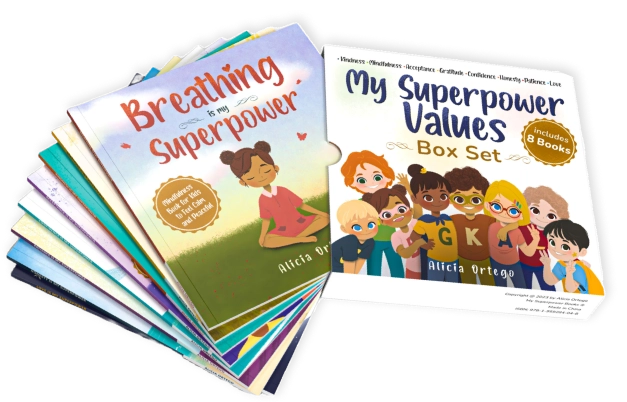
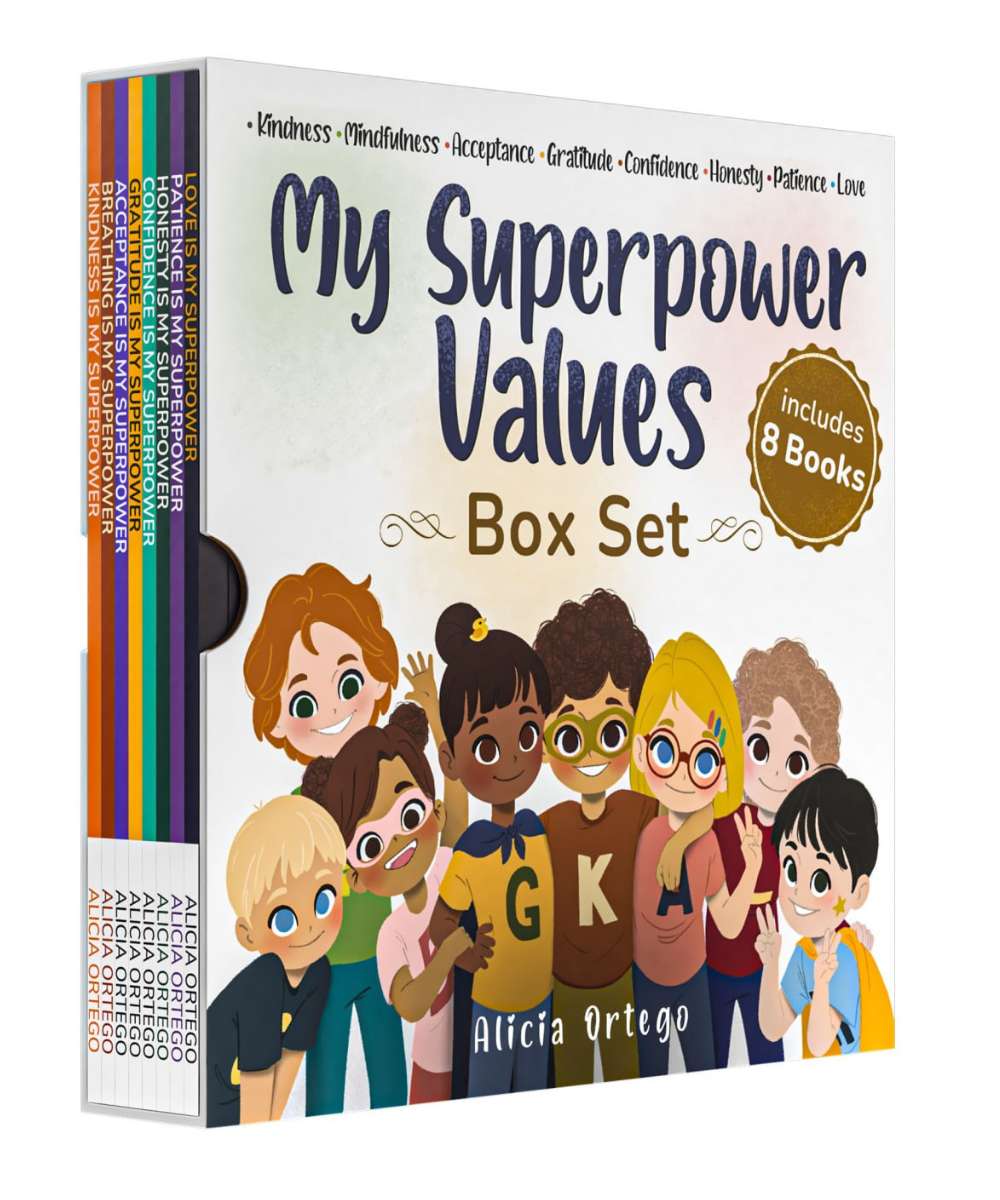
Independent thinking does not happen overnight. It grows through practice, patience, and small moments that build a child’s sense of direction. Alicia Ortego’s work focuses on emotional growth, kindness, and healthy habits for young minds. These ideas align well with helping kids think for themselves, as emotional strength and calm routines support clear judgment.
As kids begin learning how to think for themselves, they often understand new ideas best through stories. Narrative learning feels safe and familiar — it lets children explore choices, emotions, and consequences in a gentle way. Many families use story-based tools to spark conversations about “why we think the way we think” or “how people form different opinions.”
For older children and teens, there are book series that introduce bigger concepts in a simple, relatable style. These stories help young readers explore situations from different perspectives and develop their own viewpoints step by step. Parents who want to try this can check out the Tuttle Twins books for teens, which present thoughtful ideas through engaging characters and everyday scenarios — not lectures.
Creating an Environment That Supports Open Thought
Kids think more freely when they feel heard. A home or classroom that welcomes questions sends a message that curiosity is safe. You can do this by slowing down and giving space for a child’s ideas. When a kid asks something surprising or bold, try responding with interest rather than quick judgment. A simple question like What makes you think that can help them open up.
It also helps to keep a consistent routine that gives kids time to process their own ideas. Short breaks, calm corners, and gentle moments help young minds settle. When the brain is not rushing, it can explore new thoughts with ease. This reduces the chance of overwhelm and encourages steady growth.
Another helpful habit is guiding kids to explore options. The goal is not to push them toward a single answer. The goal is to help them figure out how to find answers. When they learn to look at different choices, they start to build trust in their inner compass.
Encouraging Questions Without Turning It Into Pressure
Some kids love asking questions. Others hold back because they worry about being wrong. To support both kinds of kids, keep questions open and simple. Ask What do you think about this or How would you solve this. These types of questions help them explore new angles without fear of judgment.
Make time for slow thinking. In many homes and classrooms, kids feel rushed to respond. When responses need to be quick, thoughtful ideas fade. Try adding short pauses before answering or moving on. This small step helps kids feel safe to think deeply.
It is also helpful to model this behavior yourself. When you come across a tricky decision, talk aloud through your thought process. This shows kids that even grown-ups take time to think and that a thoughtful pause is normal.
Teaching Kids How to Look at Problems With Confidence
Problem-solving is a big part of independent thinking. Kids need chances to make choices, test ideas, and learn from the outcome. You can help by offering small tasks that match their age. Let them decide how to organize a shelf or how to approach a simple homework question. These tasks may look small, but they build inner confidence.
Break problems into steps that feel clear and manageable. When kids see that a challenge can be divided into smaller parts, it feels less heavy. They start to understand that big problems are not walls. They are puzzles.
Encourage kids to explain their reasoning. Ask questions that help them think, not ones that test them. This builds communication skills and helps them see that their thought process is important.
Giving Kids Safe Chances to Make Choices
Choice helps kids feel ownership over their actions. Try offering two or three options instead of a long list. This keeps things from feeling overwhelming. Simple choices work well, such as picking a book for reading time or choosing between two activities.
As kids get older, you can offer choices that require more thought. For example, let them plan part of a family activity or pick a small project to work on. These tasks help them learn how decisions shape real outcomes.
When a choice does not go well, stay calm. Mistakes are part of the learning process. Talk through what happened with kindness. Ask them what they might try next time. This approach teaches problem-solving without shame.
Helping Kids Build Inner Calm so They Think Clearly
Independent thinking becomes harder when a child feels stressed. Helping kids build emotional calm gives them the space they need to think. Simple activities such as slow breathing, stretching, or quiet drawing time can support this.
Talk openly about feelings in a gentle way. When kids understand their emotions, they can separate feelings from decisions. This helps them think with more care.
Using Age-Friendly Conversations to Build Confidence
Conversations shape thinking. Kids need space to express ideas and hear new ones. This helps them see different viewpoints and understand how thoughts can grow over time.
Keep conversations relaxed. Instead of turning talks into lessons, try sharing stories from your day or asking about theirs. Moments like these help kids open up.
Be patient when kids explain their thinking. Some may talk in circles or switch topics. Let them finish. These early attempts teach them how to form clear thoughts. Over time, their ideas become stronger.
Final Thoughts
Independent thinking is a long-term skill that grows through care, patience, and repeated practice. Kids who feel supported, calm, and curious find it easier to think for themselves. They learn to trust their thoughts and make choices with a steady mind.
Parents and teachers play an important role in this growth. By creating safe spaces, offering clear choices, and encouraging open talks, you help kids build a strong base for clear thinking. Over time, these habits support emotional strength, confidence, and thoughtful actions.
If you want help weaving character building into this process, Alicia Ortego’s work offers useful guidance. With gentle tools, calm practices, and story based learning, families can help kids form independent thoughts without overwhelm.
More articles
How to Build Emotional Vocabulary at Home: A Complete Guide for Parents
Helping children develop emotional vocabulary is one of the most valuable gifts parents can give. When kids can name and understand their feelings, they are better equipped to manage emotions, communicate effectively, and build strong relationships. Imagine a toddler frustrated because a toy broke—if they can say “I’m sad” or “I’m disappointed,” the moment shifts […]
A Teacher And Mom’s Perspective On Growing Emotional Intelligence In Children
Have you ever asked yourself, “How do I help my child understand their feelings and handle them in a healthy way?” If yes, you’re not alone. As a teacher and a mom, I’ve heard this question from parents in school meetings, in casual chats, and even during pick-up time. The good news is, emotional intelligence […]

Core Values for Kids: Teaching Character, Responsibility & Kindness
Helping children understand who they are and what matters to them is an essential part of emotional and social development. One of the most effective ways to build character is by teaching core values early. Whether you’re a parent, teacher, or counselor, having a list of values for kids or a list of core values […]