The Impact of Color and Texture on Children’s Emotions, Behavior, and Learning

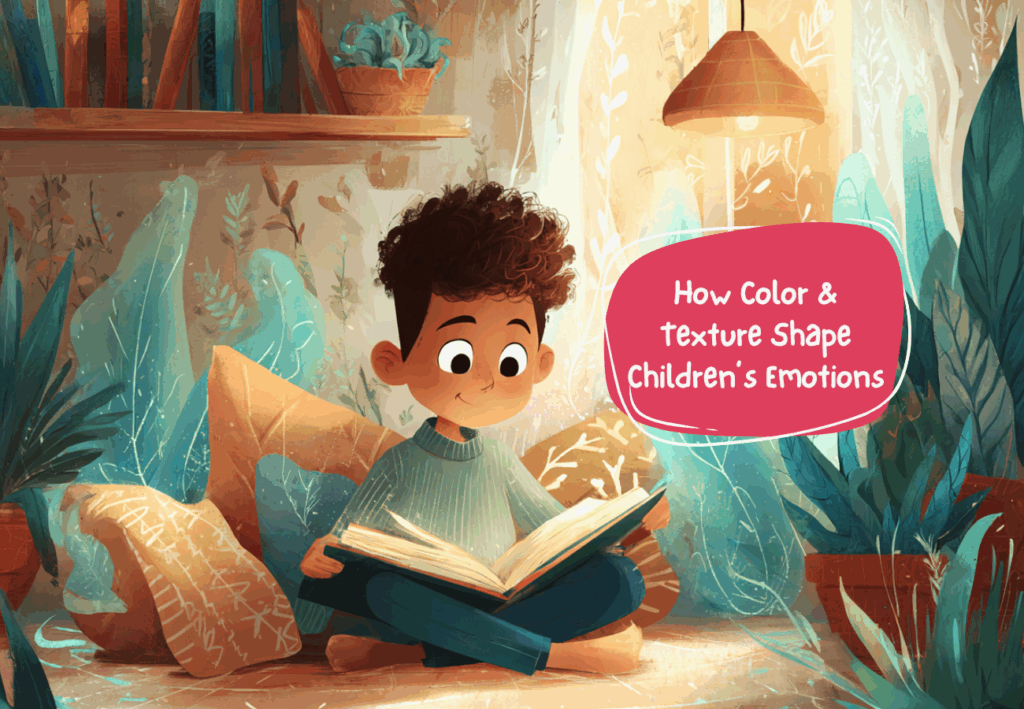
Children don’t just see their environment — they absorb it. Every color, every texture, and every visual detail around them quietly shapes the way they focus, relax, behave, and even understand their own emotions. While adults often adapt to a space automatically, children respond to it instantly and instinctively. That’s why creating a supportive environment matters so much, both at home and in the classroom.
How Colors Influence Children’s Behavior and Learning
Color psychology shows that hues can gently guide emotional responses. Soft blues and pastel greens have a naturally calming effect, helping children slow down, breathe more steadily, and feel safe enough to concentrate. Neutral tones like cream, sand, and warm beige offer a sense of stability and warmth — ideal for reading nooks or homework spaces where kids need comfort without overstimulation.
On the other hand, accent colors bring energy and curiosity into the room. Yellows and soft oranges encourage creativity and spark motivation, while reds and bold blues are best used sparingly as small highlights. These stronger shades can attract attention, but too much of them may overwhelm a sensitive nervous system. Even deeper, richer tones — if applied thoughtfully — create a cozy “hug-like” effect that helps children feel grounded, especially in quiet zones meant for emotional reset.
Age also plays a role. Younger children respond strongly to simple, clean colors, while school-aged kids become more sensitive to color combinations and visual clutter. A balanced palette helps them stay engaged without feeling overstimulated.
Textures: A Child’s First Sensory Language
Texture is an equally powerful tool. For children, touch is one of the first ways they understand the world. Soft textiles, warm wood, layered fabrics, and gentle tactile elements make a space feel alive and emotionally supportive. Textures help reduce anxiety, improve focus, and develop fine motor skills — all of which contribute directly to how children learn and manage their emotions throughout the day.
A thoughtfully designed texture environment isn’t just “cozy.” It becomes a sensory anchor, giving children something comforting to return to when their feelings become too big or their thoughts too scattered.
How These Principles Appear in Our Books
Because color and texture are so essential, we intentionally integrate them into our book designs.
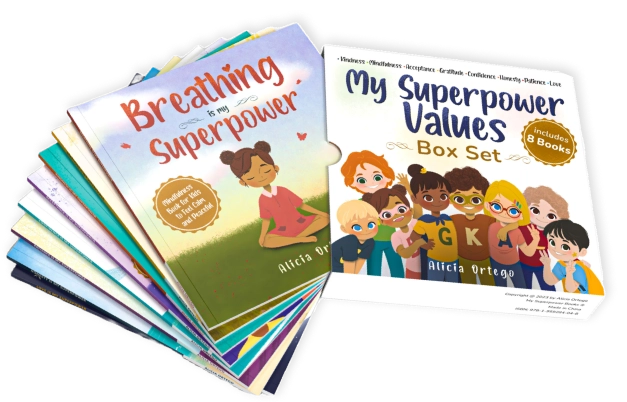
Our stories about calmness use gentle gradients and warm tones that mirror the emotional journey inside the pages. Books focused on emotions rely on harmonious palettes that keep children engaged without overwhelming them, helping them stay centered while exploring challenging feelings.
And since many kids read before bed, in classrooms, or in cozy corners at home, our illustrations are created to visually support emotional regulation — simple, clear, and soothing, inviting children to slow down and fully absorb the message of each story.
Creating a Reading Corner That Nurtures Learning and Well-Being
A child’s reading or study corner can become a small sanctuary — a place where they naturally concentrate better, feel calmer, and enjoy learning. Designing it doesn’t require major renovations; it only requires being intentional.
Start with calming base colors that help children stay present. Add a few soft, uplifting accents to keep the space inspiring. Layer textures: a plush rug, a soft throw, wooden shelves, pillows with pleasant fabrics. These tactile layers create a sense of safety and predictability, which is especially beneficial for kids who struggle with emotional regulation.
Lighting also plays a big role. Warm, diffused light helps reduce stress and invites a child to settle into the space. Natural materials — woven baskets, wooden accents, cotton fabrics — further enhance the feeling of peace.
Design Elements That Support Learning and Emotional Well-Being
Wallpapers are one of the easiest ways to transform a child’s reading area because they immediately combine both visual and emotional cues. A wallpaper with soft tones and gentle patterns can reduce visual noise, deepen focus, and make the corner feel special — almost like stepping into a tiny private world meant just for learning and imagination. For example, textured wallpapers like those available like textured vinyl wallpaper can add subtle depth and tactile interest, making the space feel even more comforting and engaging for children.
Patterns should be simple and soothing, avoiding busy designs that distract or overstimulate. Textured wallpapers, or those that visually imitate texture, reinforce the sensory richness of the space and help children feel grounded.
Why It Matters
When we combine supportive colors, gentle textures, and thoughtful design, we aren’t just decorating a room — we are building emotional foundations. Children learn best when they feel safe and balanced, and even small design choices can quietly guide them toward better focus, more creativity, and easier emotional regulation.
A well-designed environment becomes a silent partner in a child’s development. It doesn’t speak, but it teaches. And it reminds them, every day, that learning can be joyful, calming, and deeply nurturing.
More articles
10 Best Social-Emotional Learning Books for Kids (Used by Teachers & Parents)
Ask any teacher what’s changed most in classrooms over the past decade, and you’ll hear the same answer: kids need more than academics. They need to know how to handle frustration without melting down, how to include someone who’s been left out, how to say “I’m sorry” and mean it. Social-emotional learning isn’t a trend […]
How Teachers Can Use Storybooks to Build Social Skills in the Classroom
Every teacher knows the moment. Two kids arguing over a pencil, and suddenly the whole lesson is derailed. Or a child sitting alone at lunch because no one thought to include them. These aren’t dramatic crises — they’re the small, everyday moments where social skills either show up or don’t. And yet, teaching those skills […]
Why an LCSW is the Ideal Partner for Your Child’s Mental Health Journey
Navigating the emotional and behavioral challenges of a child can feel overwhelming for many parents. It is often difficult to understand what is truly behind a child’s anxiety, mood changes, or behavioral reactions, especially when different explanations and opinions come from various specialists or systems. Many families experience a fragmented approach where a child’s difficulties […]