First books in a kid’s life are very important. They affect the way children perceive reading. In case your little ones don’t like the books you offer to them, they may develop a false impression about reading. In such a case, children tend to regard reading as something boring. If you force kids to read books, they have all chances to begin hating it. That’s why caregivers should be insightful and sensitive to kids’ needs. You should take into account many factors such as children`s preferences, age, and so forth. Reading is one of healthy habits that every parent should nurture in their kids. Smart approaches to implementing reading habits are essential. Reading develops character.
What Is a Just-Right Book and How to Find It?
Researchers from the Ohio State University compared two groups of young children. In the first group parents reported reading to their kids regularly. The other group was represented by the kids who were never read to. Interestingly, children whose parents read them at least 5 books a day have heard 1.4 million words more. That’s one more benefit of reading books.
So, what literature to choose for your kid?
You should find a kind of just-right book to get your child interested in. It’s the book you need if a kid can:
- Decode its message;
- Comprehend it.
Avoid easy books because they should provide room for learning new words. On the other hand, too complicated ones can lead to frustration. If there`re any difficulties in comprehending and decoding the book, a kid may lose interest in it. Reading for the sake of reading doesn’t work here. That’s why parents should find the very just-right book.
How Do You Choose a Children’s Storybook?
Caregivers can ask themselves several questions before buying a book. The answers will help them figure out the books their infant would care for most.
- Is the book I want to buy age-appropriate?
Take the age limitations of your selection on board. Parents of babies and toddlers should opt for plastic and cardboard books. For older toddlers, take paper ones with large illustrations. Toddlers may also like lift-the-flap books. Preschoolers, in turn, enjoy interactive books that grasp their attention.
By the way, the best books will display a child’s mental development. For example, at 4, you read a book to your son. At 5, he knows all the text by heart. Finally, at 6, he can read it by himself. Yet, avoid too challenging literature for independent reading so as not to cause frustration.
- What does the book teach?
Books for toddlers focuses on basic development such as:
- ABCs;
- phonics;
- repetition;
- basic feelings recognition.
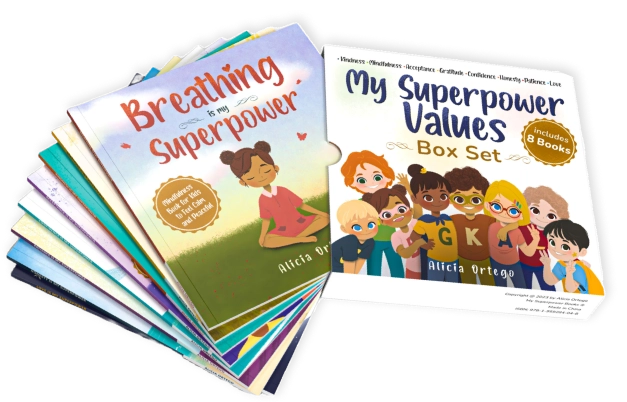
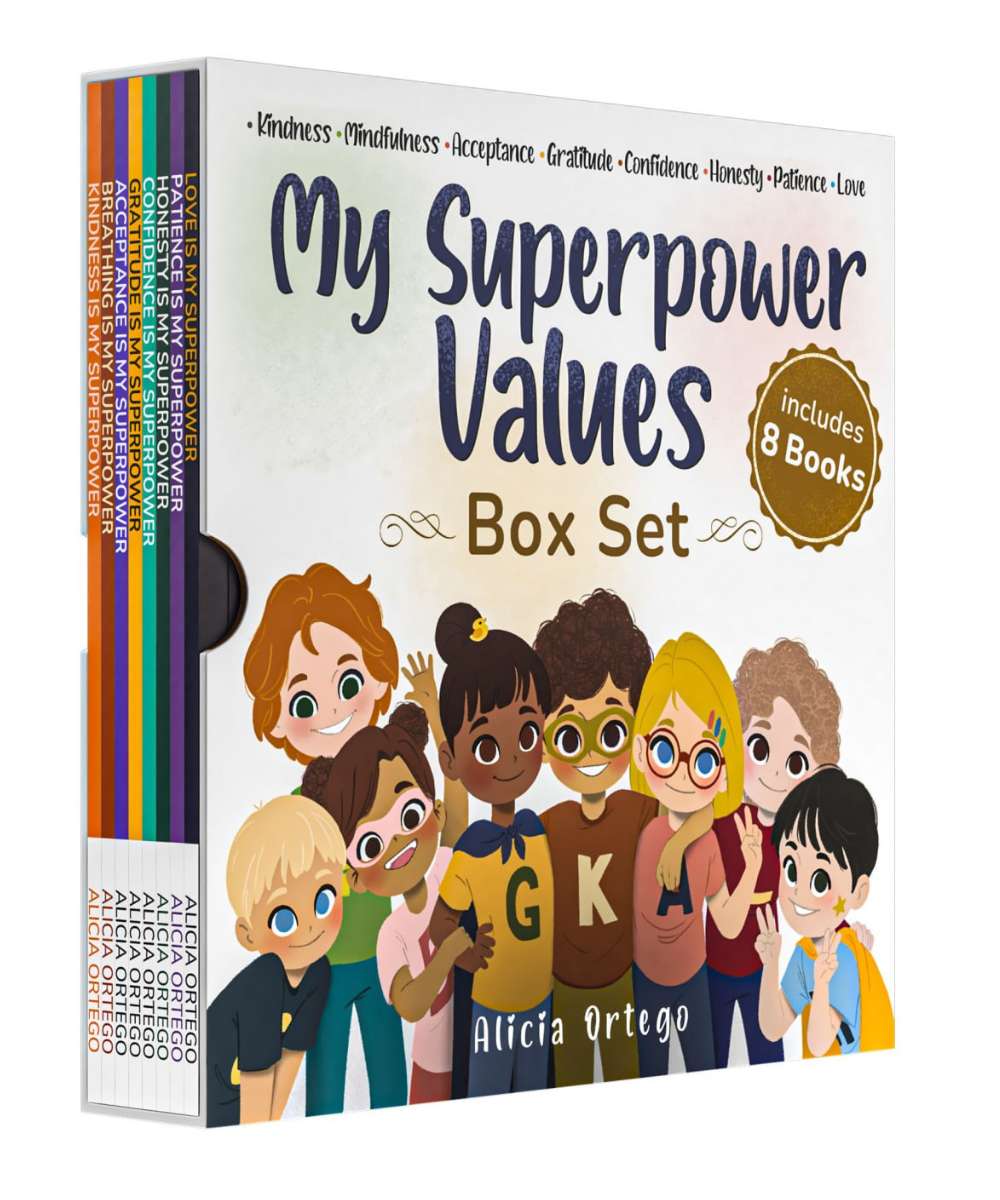
Books for preschoolers are more virtue-oriented. They teach kids good manners, explain what friendship, love, kindness, and other virtues are. Look through my series of books to find the one for your little one. Furthermore, children can put into practice all the good habits they will learn by using my freebies.
Besides educational books, preschoolers like adventure and fantasy ones. However, be sure that the plot will not get them confused and scared.
- Is the book engaging?
Books for toddlers and babies should describe real-life situations familiar to kids. When children become older, their imagination develops. It’s the right time to introduce some fantasy books. But, first of all, you need to follow their interests. If your kid is a car buff, read him fairy tales about it. For independent reading, take a visual car encyclopedia for preschoolers.
- Will my little one like the cover and illustrations?
Beauty is an irrefutable argument for a child, especially toddlers and babies. They pass judgment on the book as soon as they see it. Interestingly, no matter how thrilling the plot is. The more appealing illustrations and cover are, the more chances to become a favorite one. Also, pay attention to how a book will sound aloud. Choose poetry if kids like repeating after you.
What Are the Criteria for Selecting Books for Kids?
- Literature is easy to relate to
Characters of the fictional world must have hopes and wishes that are easy to relate to. It’s one of the conditions for a book to become a page-turner.
- Books are helpful
Almost all books for babies and toddlers pay attention to education, teaching them numbers, colors, names of fruits, etc. Make sure of the quality of information and check the text on mistakes.
- Pick books for kids, not for yourself
Parents tend to choose the stories they adored in their childhood. Still, the interests are changing. Be flexible and don’t insist on your picks.
- Follow trends
Look through reputable sources of books in search for award-winning editions. Ask librarians and teachers about popular books for children. Also, consult parents of young bookworms for advice. Classical books are always relevant.
What Else Should I Know?
The frequency of reading poses a big influence on schooling outcomes. Home environment and family background don`t affect the performance level of a reading kid. That was proved by Reading to Young Children research. Scientists claim that a child who is being read to 6-7 times a day has the mental abilities of a kid who’s a year older.
- What to Choose for Grades 2 to 5?
Let a child read both fiction and nonfiction. History buffs enjoy stories about knights and ancient civilizations. The selection of books for animal lovers is also huge. The same is true for space fans. For them, there’s a countless amount of fantasy fiction. If you are still unaware of your son or daughter`s preferences, ask your kid to take a quiz.
Final Thoughts
There`re so many benefits of reading that it’s impossible to highlight the most important one. Сhildren who enjoy books develop imagination, mental skills, and gain new knowledge, to say the least. It depends on you, though, how much your kid will love reading. Feel free to use my advice to raise an intelligent child. And don’t forget to provide a cool and cozy space for your kids to read in.
More articles

10 Best Social-Emotional Learning Books for Kids (Used by Teachers & Parents)
Ask any teacher what’s changed most in classrooms over the past decade, and you’ll hear the same answer: kids need more than academics. They need to know how to handle frustration without melting down, how to include someone who’s been left out, how to say “I’m sorry” and mean it. Social-emotional learning isn’t a trend […]
How Teachers Can Use Storybooks to Build Social Skills in the Classroom
Every teacher knows the moment. Two kids arguing over a pencil, and suddenly the whole lesson is derailed. Or a child sitting alone at lunch because no one thought to include them. These aren’t dramatic crises — they’re the small, everyday moments where social skills either show up or don’t. And yet, teaching those skills […]
Why an LCSW is the Ideal Partner for Your Child’s Mental Health Journey
Navigating the emotional and behavioral challenges of a child can feel overwhelming for many parents. It is often difficult to understand what is truly behind a child’s anxiety, mood changes, or behavioral reactions, especially when different explanations and opinions come from various specialists or systems. Many families experience a fragmented approach where a child’s difficulties […]