How Art Activities Help Kids Build Confidence

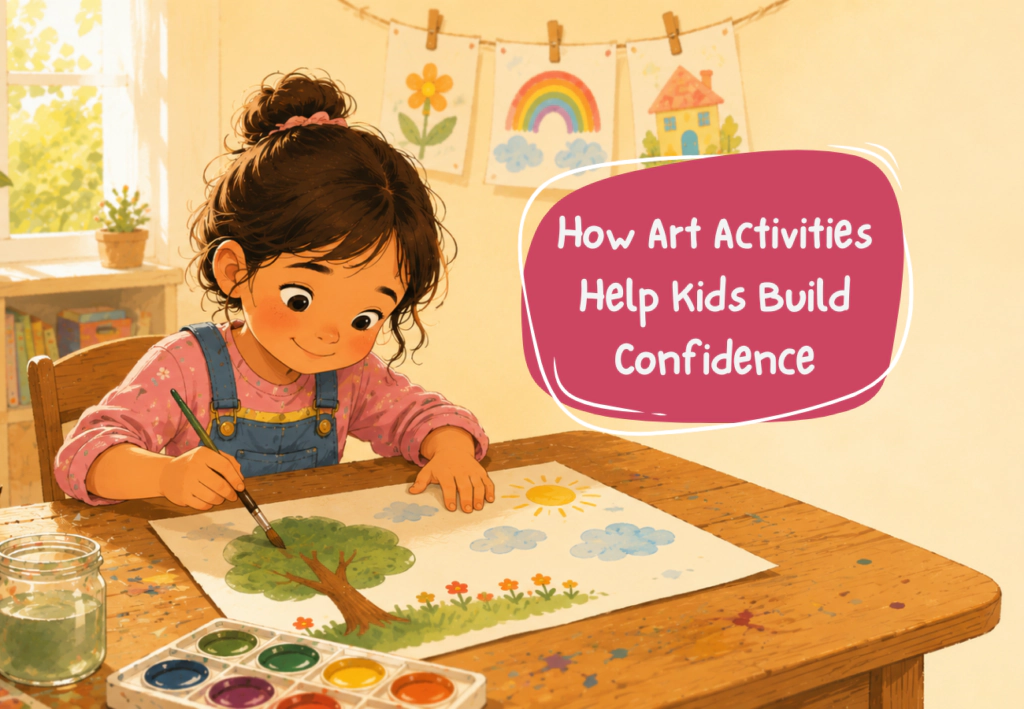
Every parent has watched their child hesitate before trying something new. Maybe it was raising a hand in class, joining a game at the playground, or simply saying hello to another kid. Confidence is not something children are born with. It is a skill they build, one small success at a time. And few places produce those small successes as consistently as the craft table.
Art gives children something rare: a space where there are no wrong answers, where effort is visible, and where the result is something they can hold up and say, “I made this.” That simple sentence does more for a child’s self-belief than a hundred compliments from adults ever could.
Here is why creative activities are such a powerful confidence builder, along with practical ways to use them at home.
Why Art Works When Pep Talks Don’t
Telling a child to “believe in yourself” rarely changes how they feel. Confidence grows from evidence, not encouragement. A child needs to experience being capable before they can feel capable.
Art provides that evidence in a very concrete way. A blank page becomes a painting. A pile of paper becomes a card for Grandma. The child can see, with their own eyes, that they turned nothing into something. Psychologists call this “mastery experience,” and it is considered one of the strongest sources of self-belief in children.
There is another reason art is so effective. Unlike sports or spelling tests, creative work has no scoreboard. A six year old cannot lose at painting. That low-pressure environment makes it safe to try, and trying is where confidence begins.
1. Start With Projects That Guarantee a Win
Confidence grows fastest when early attempts succeed. If a child’s first painting session ends in frustration because the project was too hard, they learn the opposite lesson from the one you intended.
Choose activities that match your child’s current abilities, then stretch them slowly. Simple subjects like a sun, a tree, or a striped fish are perfect first paintings. Save the family portrait for later.
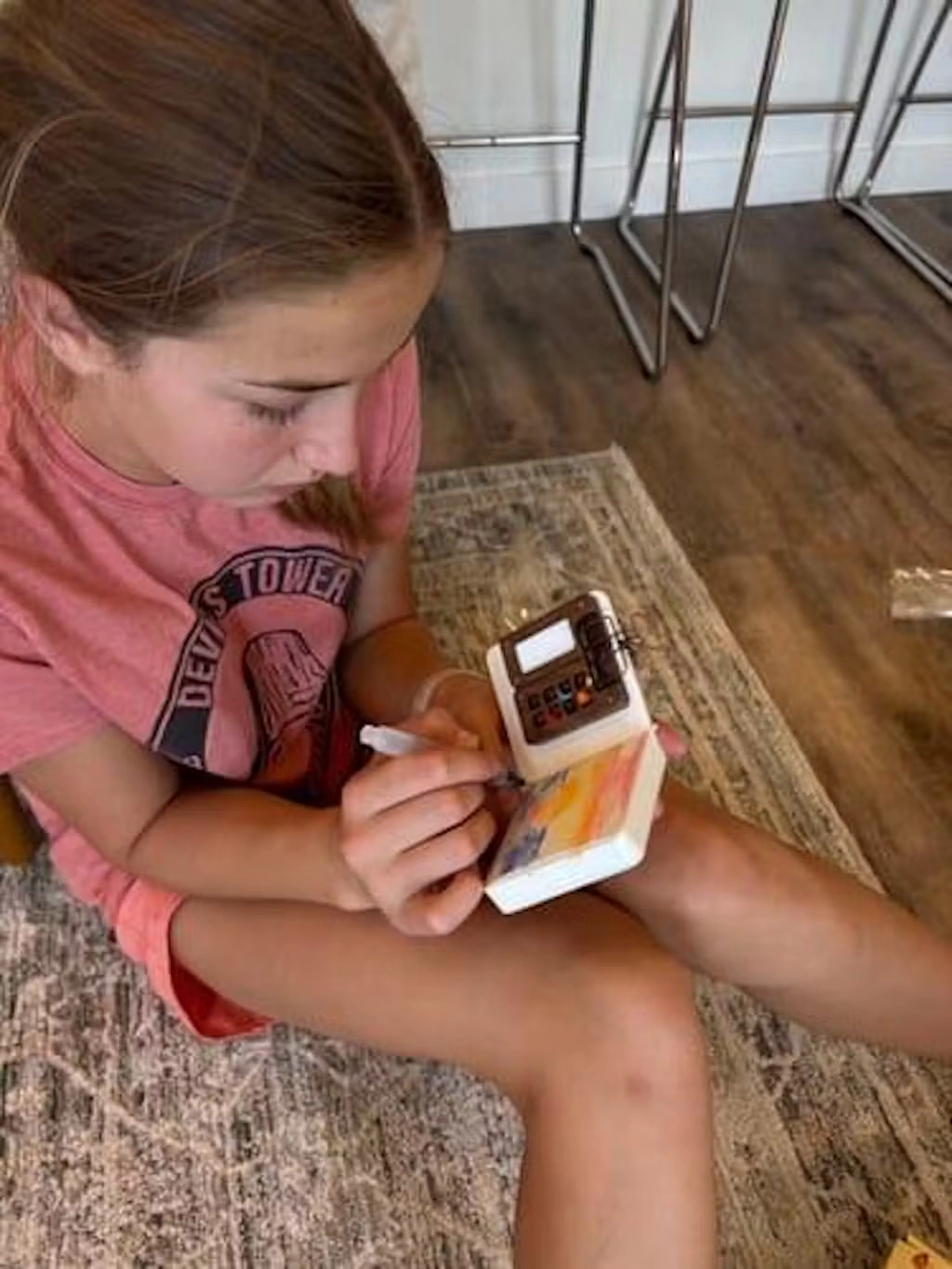
This is also where guided materials earn their place. Structured resources like these watercolor workbooks for kids work a lot like training wheels. They give kids outlines and step by step exercises, so every page ends in something that looks finished and frame-worthy. Once a child has filled a few pages and felt that “I can do this” feeling, moving to a blank sketchbook feels exciting instead of scary.

2. Let Them Make the Choices
Autonomy is a quiet ingredient of confidence. When a child picks the colors, decides what to draw, and chooses where the finished piece hangs, they learn that their decisions matter.
Resist the urge to correct. If the dog is purple and the sky is green, wonderful. The goal of the activity is not an accurate dog. The goal is a child who trusts their own judgment. Ask questions instead of giving directions: “What color feels right for the sky today?” works far better than “Skies are blue.”
3. Praise the Process, Not the Product
The way adults respond to children’s art shapes how children see themselves. Praise that focuses on talent (“You’re such a natural artist!”) can actually make kids more cautious, because now there is a reputation to protect.
Instead, praise what they did: “You mixed those two colors yourself,” or “You kept going even when the water spilled.” Process praise teaches children that effort and persistence are the point. Those are the exact beliefs that carry over into school, friendships, and sports.
4. Make Mistakes Part of the Fun
Watercolor is honestly one of the best teachers here, because it never behaves perfectly. Colors bleed, water runs, and paper buckles. That is a feature, not a flaw.
When a “mistake” happens, model curiosity instead of disappointment. A blotch can become a cloud. A smudge can become a shadow. Children who learn to adapt on paper carry that flexibility into real life. The child who can shrug and say “I’ll turn it into something else” is building resilience with every page.
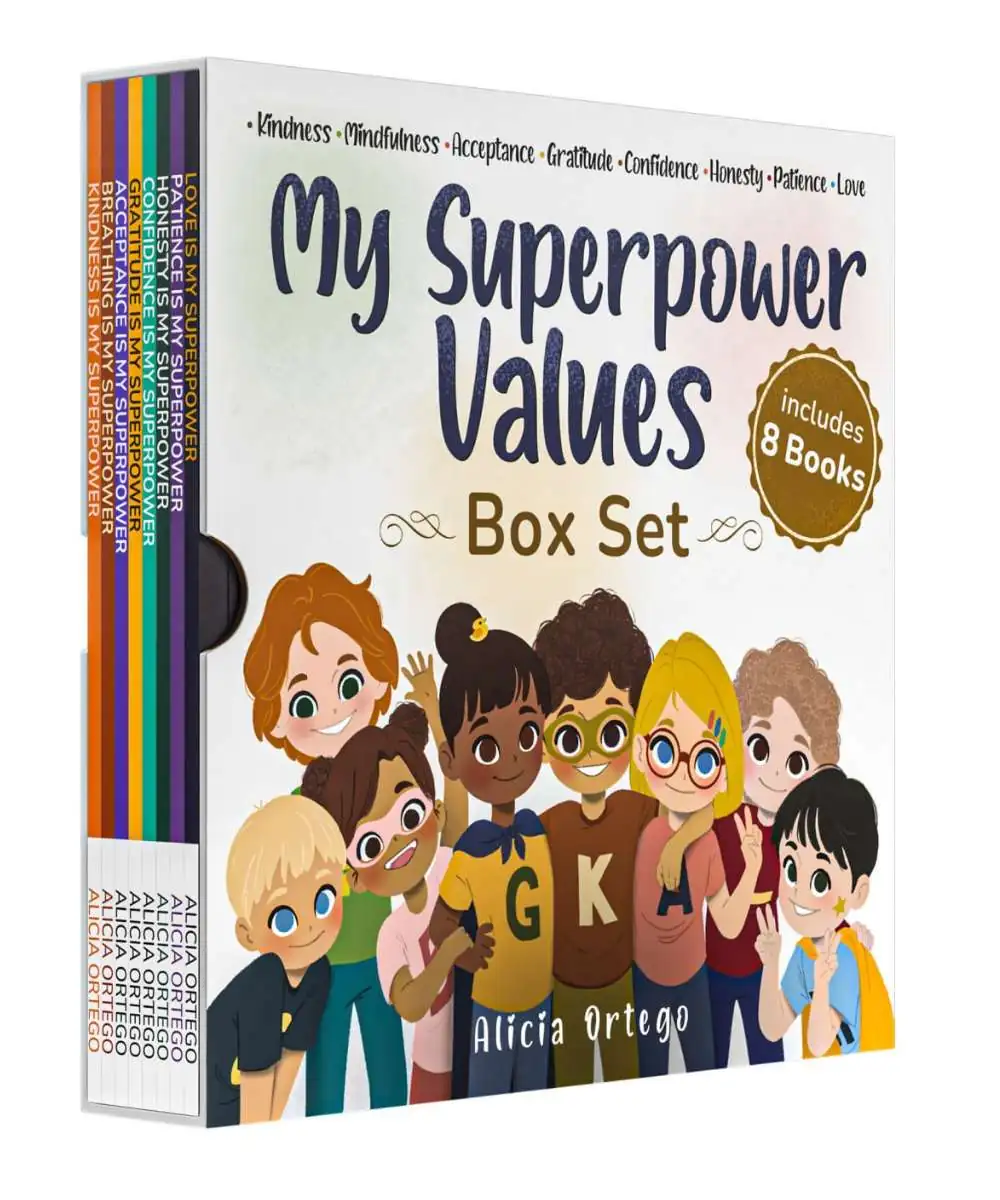
Books like Perseverance is My Superpower reinforce this same lesson — that setbacks are simply part of growth, not a reason to stop trying.
5. Display Their Work Like It Matters
A drawing that goes straight into a drawer sends a message. A drawing on the fridge, in a frame, or mailed to a grandparent sends a very different one.
Create a small gallery space at home, even if it is just a string with clothespins in the hallway. Rotate new pieces in regularly and let your child curate it. Seeing their work treated with respect tells children their effort has value, and that they have something worth sharing with the world.
6. Create Alongside Them
Children learn more from what we do than what we say. When you sit down and paint your own wobbly fish next to theirs, several good things happen at once. They see an adult being a beginner. They see that imperfect results are normal. And they get your undivided attention, which is a confidence boost all on its own.
You do not need any artistic skill for this. In fact, being visibly unskilled and cheerful about it might be the single best confidence lesson you can offer.
7. Keep Sessions Short and Regular
Confidence is built through repetition, not marathons. Fifteen minutes of painting twice a week does more than a two hour session once a month. Short sessions end while the fun is still high, which makes children eager to come back.
Consistency also lets kids see their own progress. Keep early work in a folder, and every month or two look back together. “Remember when your circles looked like this?” is powerful proof, delivered by their own hands, that practice works.
The Bigger Picture
Art activities will not hand your child confidence overnight. What they offer is better: a steady stream of small, real achievements that add up. Each finished page is a tiny piece of evidence that says, “I tried something, and I could do it.”
Give your child paper, a brush, and the freedom to make a purple dog, and you are giving them much more than an afternoon activity. You are giving them proof of their own ability, and that is the foundation every confident kid stands on.
More articles
Creating a healthier rhythm between screens, play, and rest
It is five o’clock, homework is finished, and your child asks for the tablet. The device has already been used for school, but a favorite game or video may also be how your child relaxes at the end of a long day. Moments like this can make screen decisions feel more complicated than they need […]

Family Reading Night Ideas: 40 Fun Activities for Schools and Families
Family Reading Night is one of the simplest ways a school can turn reading from a homework chore into something a whole family looks forward to. When it’s done well, kids see their parents excited about books, parents see how their children read and think, and teachers get a rare evening where the whole community […]
15 Proven Reading Motivation Techniques That Help Kids Love Reading
You’ve tried setting aside reading time. You’ve bought the books. You’ve offered rewards. And your child still stares at the wall, fidgets, or finds literally anything else to do the moment a book appears. You’re not doing it wrong. And your child isn’t broken. Getting kids genuinely interested in reading is one of the most […]