The Complete Struggling Readers Guide: How to Help Your Child Become a More Confident Reader

If your child dreads reading time, avoids books at all costs, or bursts into tears the moment you open a story together — you are not alone. And neither is your child.
Reading difficulties are far more common than most parents realize. The good news? With the right support, the right approach, and yes, the right books, most struggling readers can turn things around completely.
This guide walks you through everything: the signs, the causes, the strategies, and the books that actually help. Whether your child is just starting to fall behind or has been resisting reading for years, there is a path forward.
What Is a Struggling Reader?
A struggling reader is any child who finds the act of reading significantly harder than their peers — or harder than expected for their age. This can show up in many different ways.
Some children struggle to decode words, meaning they can’t connect letters to sounds reliably. Others can read the words out loud just fine but have no idea what the story was about. Some avoid books entirely because they’ve learned to associate reading with frustration and embarrassment.
Struggling readers are not lazy. They are not unintelligent. They are children whose reading development has hit a roadblock — and roadblocks can be cleared.
It’s also worth noting that “struggling” exists on a spectrum. A child who reads slightly below grade level is very different from a child who cannot read independently at all. Both deserve support, but the approach may look different.
Signs Your Child May Be Struggling with Reading
Catching reading difficulties early makes a big difference. Here are the most common signs parents notice:
- Avoids reading aloud or asks to skip their turn
- Guesses at words based on the first letter instead of sounding them out
- Loses their place frequently on the page
- Reads very slowly or reads haltingly, word by word
- Can read the words but cannot retell what happened
- Gets headaches or eye fatigue after short reading sessions
- Shows frustration, anger, or tears when asked to read
- Reads the same book repeatedly to avoid trying new ones
- Struggles to rhyme or identify sounds in words (for younger children)
- Avoids activities that involve reading, including games or menus
Featured Snippet: Signs a child is struggling with reading
A child who is struggling with reading may skip or guess at unfamiliar words, lose their place on the page, read slowly without understanding, or show avoidance behaviors like refusing to read aloud. Emotional signs — frustration, tears, or complaints of headaches — are just as telling as academic ones.
One or two of these signs on their own may not mean much. But if you’re seeing several consistently, it’s worth paying closer attention.
Common Reasons Children Struggle to Read
Understanding why your child is struggling is the first step toward helping them. There is rarely just one cause, and the reasons vary widely from child to child.
Reading Readiness
Not every child is developmentally ready to read at the same age. Some children simply need more time for their brains to make the connections required for reading. Starting formal reading instruction before a child is ready can actually create negative associations that make things harder later.
Signs a child may not be ready yet include difficulty with basic phonemic awareness (recognizing that words are made of sounds), trouble holding a pencil comfortably, or limited attention span for short listening activities. If your child is in this category, pressure is rarely the answer. Playful pre-reading activities — rhyming games, read-alouds, storytelling — build the foundation without the stress.
Learning Differences
Dyslexia is the most well-known reading-related learning difference, affecting roughly 1 in 5 children to some degree. Children with dyslexia process language differently, which makes decoding words harder. It has nothing to do with vision or intelligence.
Other learning differences that affect reading include auditory processing disorder, attention difficulties (ADHD), and language processing delays. Many of these go undiagnosed for years because children are good at masking or compensating.
If your child’s struggles are persistent despite consistent support, a formal evaluation through your school or a specialist can be genuinely life-changing.
Low Confidence
For many children, the biggest barrier to reading isn’t skill — it’s confidence. Once a child decides they are “bad at reading,” that belief becomes self-reinforcing. They avoid reading, which means they practice less, which means they fall further behind, which deepens the belief.
Low reading confidence often stems from early negative experiences: being laughed at when reading aloud, compared to a sibling, or pushed to read books that were too hard. Rebuilding that confidence takes patience and intentional encouragement.
Lack of Interest
Sometimes children don’t struggle with the mechanics of reading at all. They just don’t care about the books they’ve been given. A child who is obsessed with dinosaurs but only ever receives princess stories isn’t a reluctant reader — they’re an unmatched reader.
Interest is one of the most powerful drivers of reading motivation. When children are given books on topics they genuinely love, their reading fluency often improves naturally, simply because they’re engaged enough to push through the hard parts.
Reading Anxiety
Reading anxiety is real, and it’s more common than most people expect. It often develops after repeated public failures — being called out for mistakes in class, struggling during reading groups, or being timed on reading tests.
Children with reading anxiety may tense up at the sight of a book, complain of stomachaches before school on days they know they’ll have to read, or shut down completely when asked to read in front of others. This is an emotional response, not an academic one, and it needs an emotional approach first.
How to Help a Struggling Reader at Home
Featured Snippet: How can parents help struggling readers?
Parents can help struggling readers by reading aloud daily, choosing books on topics the child loves, removing the pressure to read “correctly,” celebrating small wins, and creating a consistent and comfortable reading routine at home. Patience and positive association matter more than drills or testing.
Here are the most effective strategies for supporting struggling readers at home:
Read aloud together — without making it a test. Sit next to your child and read to them. Let them follow along or just listen. This keeps reading associated with closeness and pleasure rather than performance. It also builds vocabulary and comprehension even when the child isn’t reading the words themselves.
Let them choose the book. Choice gives children ownership. Even if they choose the same book five times in a row, that repetition is actually building fluency. Visit the library and let them browse without steering them toward “better” options.
Don’t correct every mistake. If your child is reading aloud and makes an error that doesn’t change the meaning, let it go. Constant corrections break the flow and remind children that they’re being evaluated. Save corrections for moments when misreading changes the story, and frame them gently: “Let’s look at that word again — what sounds do you see?”
Make it a daily habit, not a chore. Even ten minutes of shared reading every day adds up quickly. The consistency matters more than the length. Make it part of a routine — after dinner, before bed — so it feels normal rather than remedial.
Remove timed pressure. Timed reading tests and speed drills can increase anxiety in struggling readers. At home, there is no rush. Slow, thoughtful reading is still reading.
Talk about what you read. After reading, have a casual conversation: “What was your favorite part?” or “Why do you think she did that?” This builds comprehension skills in a natural, pressure-free way.
Reading Activities That Actually Work
Helping struggling readers doesn’t mean drilling phonics worksheets every afternoon. These activities are genuinely engaging and genuinely effective.
Echo reading. You read a sentence first; your child repeats it back. This builds fluency and lets children hear what smooth, expressive reading sounds like before they try it themselves.
Partner reading. Take turns reading sentences or paragraphs. You go first. This reduces the pressure of solo reading and keeps the experience collaborative.
Read to a pet. Animals are non-judgmental listeners. Children who feel embarrassed reading to adults will often read confidently and happily to a dog or cat. It sounds simple because it is — but it works.
Audiobooks alongside text. Let your child listen to an audiobook while following along with the physical book. This supports comprehension, builds vocabulary, and keeps struggling readers engaged with stories that might otherwise be too hard to access on their own.
Wordless picture books. Ask your child to tell you the story by looking at the pictures. This builds narrative skills and story comprehension without any decoding pressure at all.
Magnetic letters or letter tiles. For younger children working on phonics, physical letters make the learning tactile. Building words by hand can click for children who don’t respond to worksheets.
Reading logs and sticker charts. Some children respond beautifully to visual progress tracking. A simple chart where they add a sticker for every book or chapter finished can be surprisingly motivating — especially if a small reward waits at the end.
Building Reading Confidence
Reading confidence for kids doesn’t come from reading harder books — it comes from succeeding at the books they’re reading now.
Here’s how to build it intentionally:
Start below their reading level. Choose books that are easy for your child to read independently. This might feel like going backward, but fluency and confidence built on easier books transfers to harder ones. Reading success is cumulative.
Celebrate specific wins. Instead of “good job,” try “You figured out that tricky word all by yourself — I noticed that.” Specific praise is far more powerful for building genuine confidence.
Talk about persistence, not perfection. Reading is a skill, and skills take practice. Normalize mistakes by sharing your own: “I had to reread that sentence too — sometimes it takes more than once.”
Avoid comparisons. Never compare your child’s reading to a sibling’s, a friend’s, or even their past performance in a critical way. Comparisons tend to deepen shame, not motivate improvement.
Let them teach you. Ask your child to read a book to a younger sibling, cousin, or even a stuffed animal. Being the “reader in charge” shifts the dynamic completely.
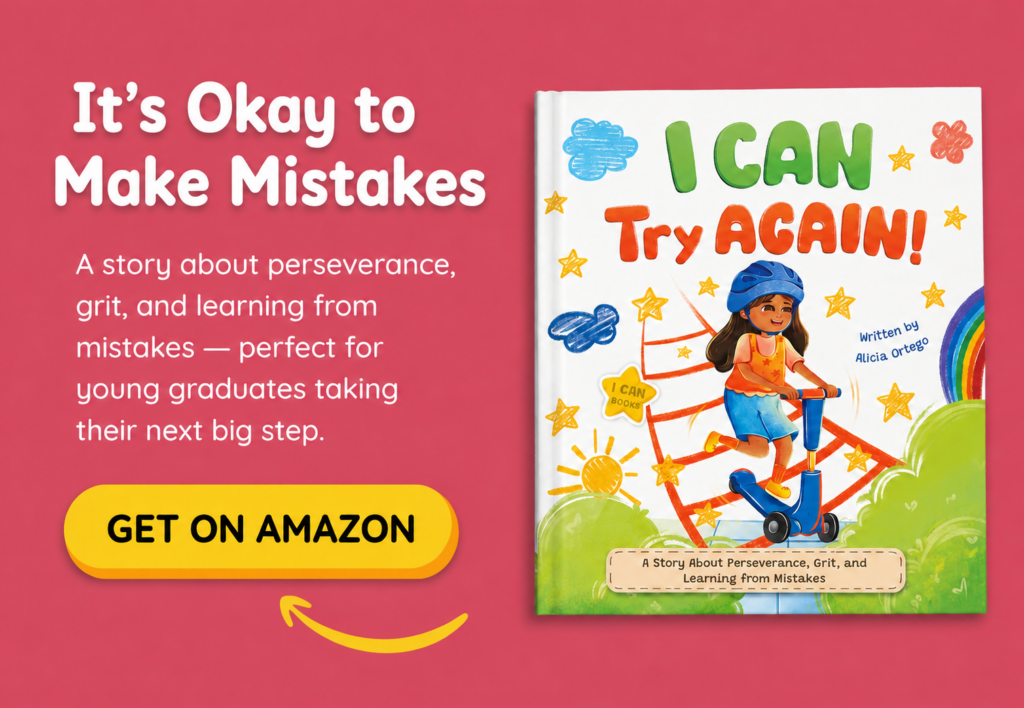
Stories that center on characters who keep trying despite difficulty can quietly but powerfully reinforce this mindset. I Can Try Again, from the I Can series, does exactly this — it gives children a language for persistence and a character to identify with when reading (or anything else) feels hard. It pairs especially well with conversations about what “trying again” actually looks like.
When to Seek Additional Support
Reading intervention strategies at home are powerful, but sometimes a child needs more than a parent can provide alone.
Consider reaching out to a specialist if:
- Your child’s reading difficulties have persisted despite consistent support at home for six months or more
- Their teacher has flagged concerns in multiple school years
- Your child shows signs of dyslexia: reversing letters past age 7, confusing similar words, difficulty rhyming despite normal hearing
- Reading avoidance is significantly affecting their mental health or self-esteem
- They’re experiencing physical symptoms like frequent headaches or eye strain
- You suspect an underlying learning difference that hasn’t been formally assessed
Start with your child’s school. Most have reading specialists or intervention programs. A meeting with the teacher to share your observations is a reasonable first step.
For formal evaluations, your pediatrician can refer you to a developmental specialist. The International Dyslexia Association (dyslexiaida.org) is an excellent external resource — they have a directory of certified specialists by region and a wealth of free information for parents navigating a new diagnosis.
Private reading tutors and literacy coaches who specialize in struggling readers are also worth exploring, especially if your child’s school has limited intervention resources.
Best Books for Struggling Readers
Featured Snippet: What books are best for struggling readers?
The best books for struggling readers are ones the child actually wants to pick up. Look for shorter chapters, high-interest topics, strong visuals or illustrations, manageable vocabulary, and characters the child can relate to. Series books are especially helpful, because the familiar setting and characters reduce the cognitive load of starting something new.
For early readers (ages 4–7):
Books in this category should have simple sentences, large font, and plenty of illustrations. Repetitive language patterns help children feel successful quickly.
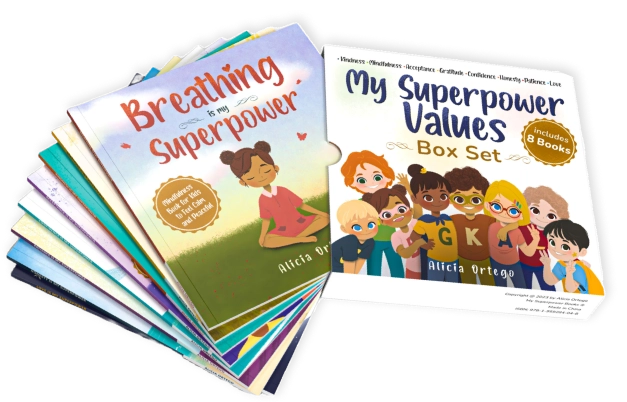
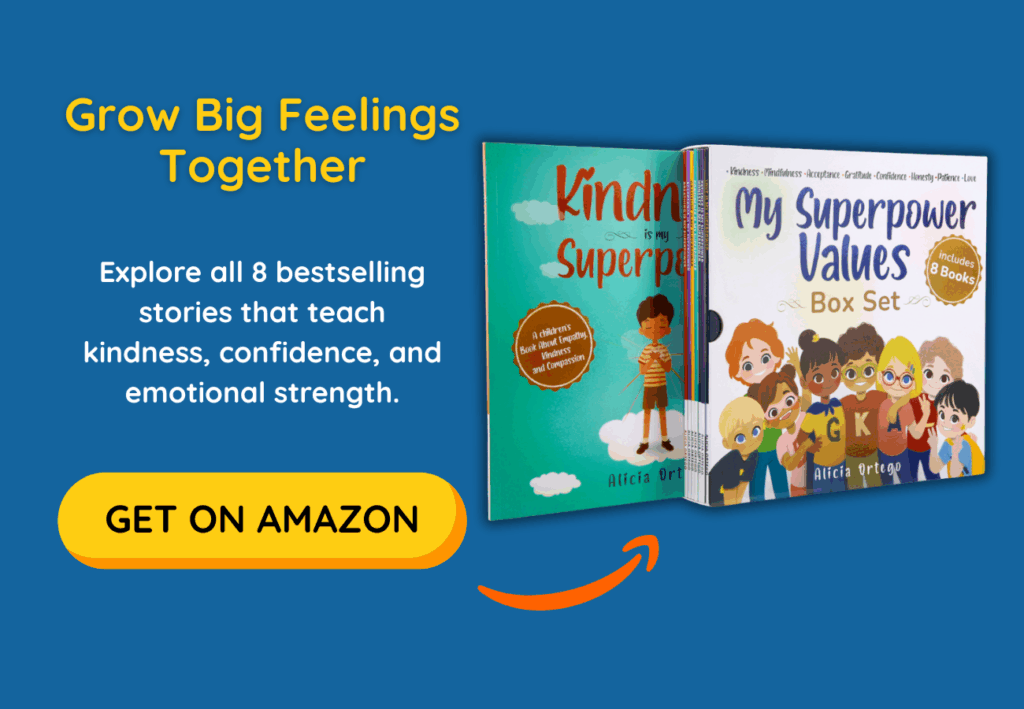
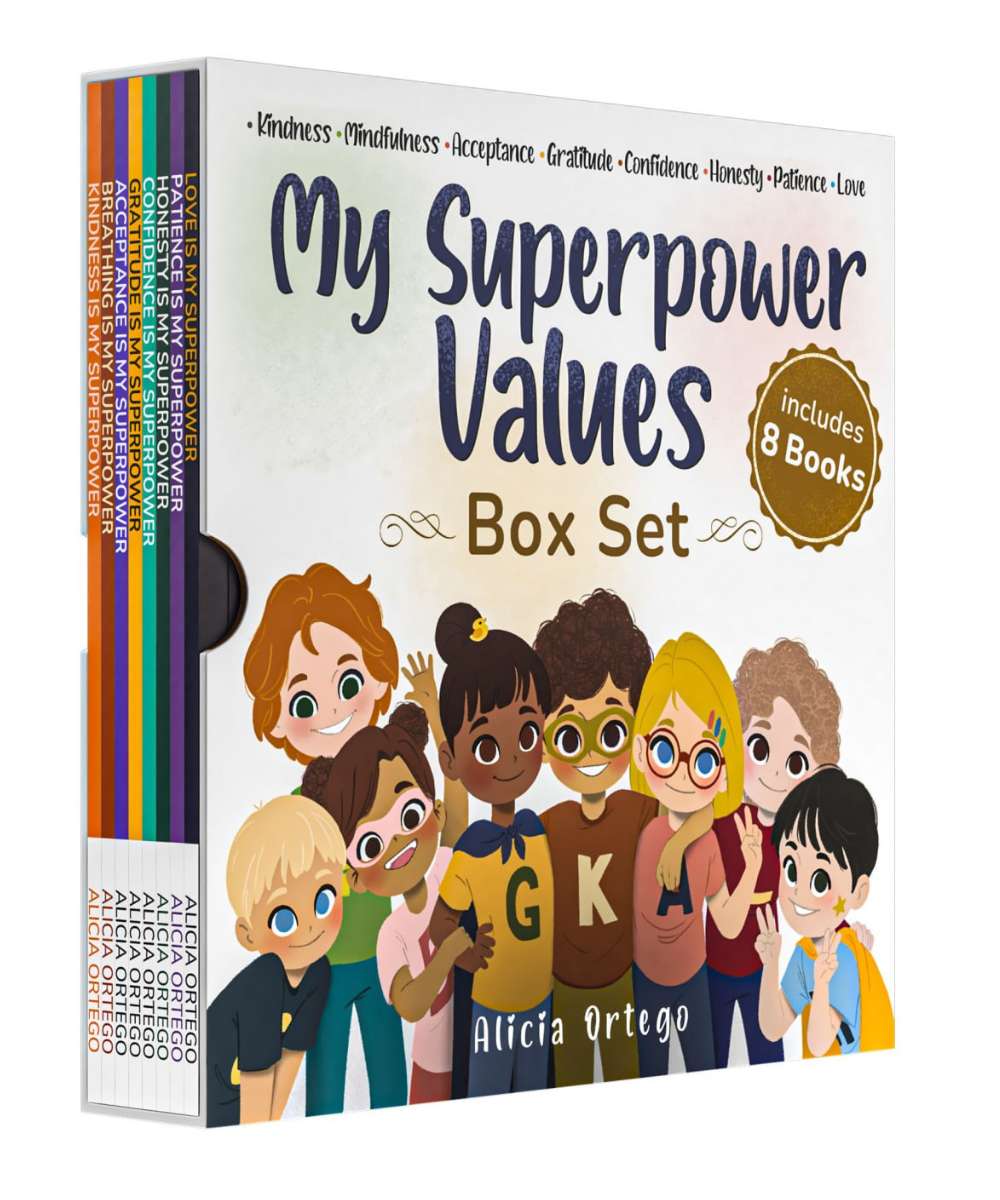
Kindness Is My Superpower and Breathing Is My Superpower from the My Superpower series are excellent here. The language is simple, warm, and emotionally accessible — but the themes are rich enough to generate real conversation. Children who struggle to read often respond well to books with a strong emotional hook, because the meaning drives them forward even when the words are hard.
The full My Superpower Values Box Set brings together eight books covering kindness, gratitude, acceptance, breathing, listening, confidence, and more. For struggling readers who need repeated positive exposure to books, having a set at home means there’s always something familiar and welcoming on the shelf — no decisions required.
For reluctant middle-grade readers (ages 7–10):
Look for high-interest, lower-readability titles: books about sports, animals, humor, or adventure. Diary-format books and graphic novels are enormously popular with this age group precisely because they feel approachable — short text per page, lots of white space, and an easy sense of pace.
For readers with reading anxiety:
Choose books with shorter chapters, or books that are part of a series your child already knows from a film or TV adaptation. Familiarity reduces the anxiety of “not knowing what’s coming,” which can be a significant trigger for anxious readers.
For reluctant readers who hate fiction:
Don’t force fiction. High-quality nonfiction on topics they already love — animals, space, sport, Minecraft — counts as reading. Fact books, almanacs, and activity-based books all build the reading habit, and the habit is what matters most right now. You can find more tailored ideas in the companion guide to choosing books by personality type, which helps you match books to how your child is actually wired.
FAQ
Why is my child struggling to read?
Reading difficulties can stem from many different sources: developmental readiness, learning differences like dyslexia, low confidence from early negative experiences, a mismatch between the books they’ve been given and their actual interests, or reading anxiety developed after repeated struggles at school. Most children have more than one contributing factor, which is why a one-size-fits-all solution rarely works.
How can I help a struggling reader at home?
Read aloud together every day without making it feel like a test. Let your child choose books on topics they already love. Avoid correcting every error. Celebrate effort and specific wins rather than results. Make reading a shared, comfortable experience rather than a performance. Consistency and warmth matter more than any particular method.
What are signs of reading difficulties?
Guessing at words instead of sounding them out, losing their place on the page, reading very slowly or word by word, being able to read words aloud but not understanding the meaning, avoiding reading situations, or showing emotional distress — frustration, tears, anger — when reading is required. Physical complaints like headaches after reading can also signal an underlying visual or processing difficulty.
How do I improve my child’s reading confidence?
Start with books that are easy enough for them to succeed at independently. Celebrate specific wins out loud. Remove timed pressure entirely at home. Let them read to younger children or pets. And be patient — confidence is rebuilt slowly, through many small positive experiences layered over time.
What books are best for struggling readers?
Books with shorter chapters, manageable vocabulary, lots of illustrations, and high-interest topics. Series books are particularly effective because familiar characters and settings reduce the mental effort of starting something new. For younger children, emotionally resonant picture books like those in the My Superpower series work well because the meaning carries the child forward even when individual words are challenging.
When should I be concerned about reading delays?
If your child is significantly behind their peers by age 7 and doesn’t improve with consistent support at home, or if their teacher has raised concerns across more than one school year, it’s worth seeking a formal evaluation. Dyslexia and other learning differences are most effectively supported when identified early. A formal diagnosis isn’t a label — it’s a map that helps you find the right kind of help.
Final Thoughts
A child who struggles to read today is not a child who will struggle forever. The path from reluctant reader to confident reader is rarely straight, and it rarely happens quickly — but it happens, for children who are supported with patience, the right tools, and the right books.
Your instinct to look for answers and strategies is already one of the most important things you can do. Keep reading with your child, keep following their lead, and trust that every small positive experience with a book is building something real.
If you’re looking for a starting point, the My Superpower Values Box Set is a gentle, accessible collection that struggling readers tend to reach for willingly — because the stories feel warm, the language is manageable, and the themes give children something meaningful to hold onto.
And if you haven’t already, the guide on how to choose books by personality type is a natural next step — because once you understand what kind of reader your child is, the whole search for the right book becomes much, much easier.
More articles
50 Creative Reading Rewards Ideas That Motivate Kids to Love Books
Every parent and teacher of a reluctant reader has wondered the same thing: should I reward my child for reading? If rewards are done badly, they turn books into a chore you get paid for. However, when they are done well, they give kids the push they need until reading becomes its own reward. This […]
Reading Goals for Kids: 50 Fun Reading Challenges to Build Lifelong Readers
“Read more” is the most common reading advice a child hears, and the least useful. It has no starting point, no finish line and no moment where anyone gets to say “you did it.” A reading goal fixes that. It turns a vague wish into something a child can picture, count and celebrate. This guide […]
Top Math Apps for Kids: A Practical 2026 Guide for Parents and Educators
Finding a good math app for your child sounds simple until you actually start looking. Some apps are little more than worksheets dressed up with cartoons and rewards. Others are entertaining games where the educational part feels like an afterthought. The best math apps for kids sit somewhere in the middle: children genuinely want to […]