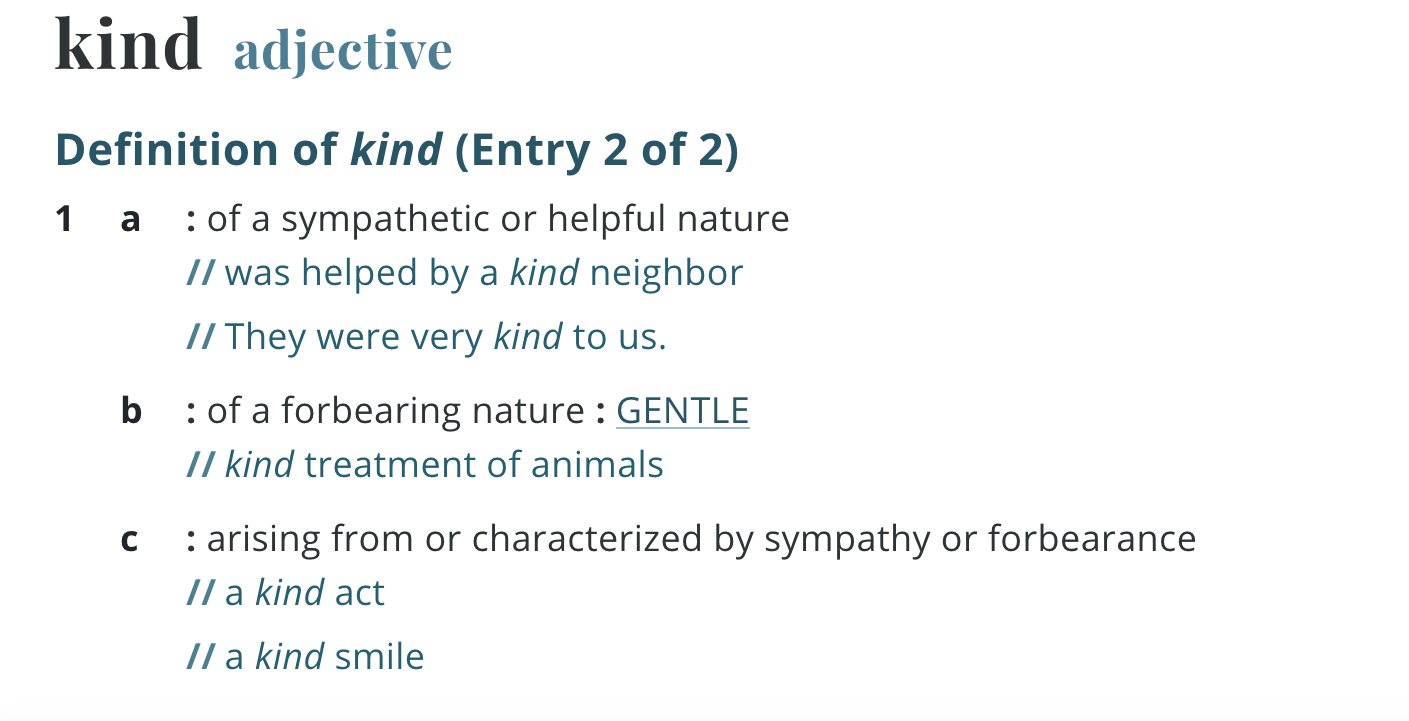
There is no need to explain to adults what it means to be kind. You know for sure the meaning of the word “kind” and it’s so important. Though if someone still has doubts here is the definition from the dictionary
Hm, sounds really easy but… not for kids.
Here they have more questions than answers and it’s our mission to help them understand and even more important to practice.
Here are my own ways to explain the “kind” meaning.
The Best Examples of Kindness
First of all, I tell kids about famous kind people and their deeds. Here are some of these heroes:
Mother Teresa – educated the poorest people, fed the ones who didn’t have food, gave homes for the homeless. She accepted people the way there were. Accepting the differences, she united people.

Photo from bbc.co.uk
Andre Johnson who spends thousands of dollars every Christmas (for 8 years) to present toys to some kids
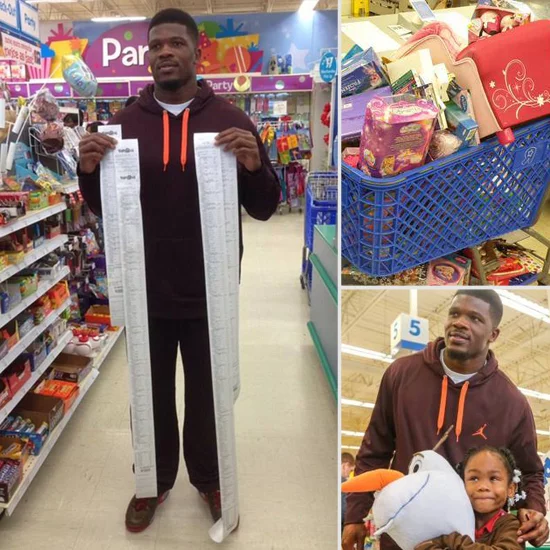
Photo from Popsugar.com
I took 2 totally different examples but they are both about acts of kindness, you can add anyone from your country or even family.
And I also love giving examples from the cartoons:
Papa Smurf from the “Smurfs” who is both kind and wise.
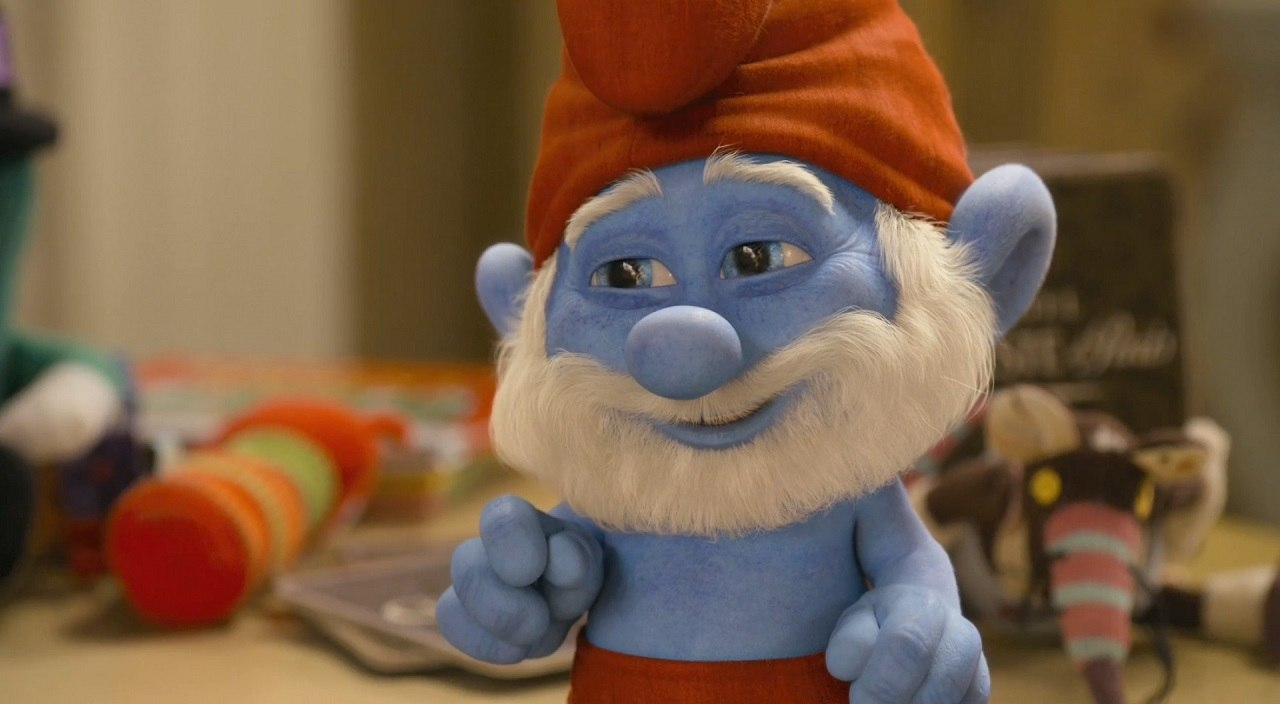
Photo credit: awn.com
It’s always a great thing to remember with kids about the character’s kind deeds, for example the way they showed empathy to one another.
Dora from “Dora the Explorer”
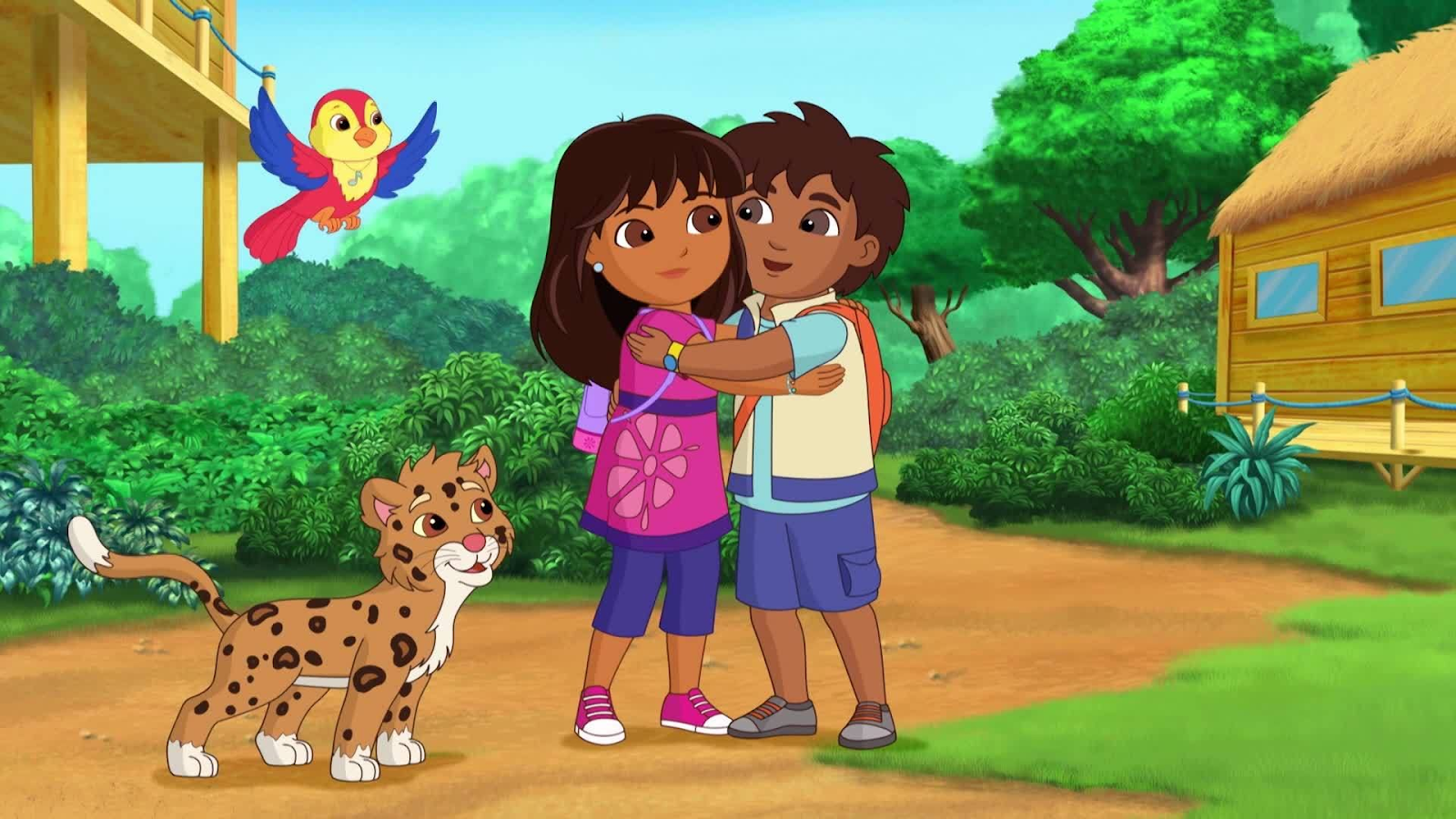
Photo credit: nick.com
I am confident the cartoons your child loves are also full of awesome kind heroes and deeds.
What About You
After a great talk about famous kind people and characters, it’s time to talk about kids and if they can do something like their favourite heroes. Probably they cannot rescue racoons or bring anyone to the pint clouds but there are ordinary acts of kindness that can change someone’s life or day.
Yes, it’s not a big deal to say “thank you”, help your friend with the assignment, be patient with your friend, bring the lonely neighbour some food or just talk to him. But all this are tiny changes that change this world. Teach your children to be mindful!
Isn’t it a superpower. I believe that it IS.
Kind VS Nice
Once in a while I am asked about the difference between the terms kind and nice.
According to SCU, “Nice” is defined as “pleasing; agreeable; delightful”, while “kind” is defined as “having, showing, or proceeding from benevolence.”
I totally agree. I guess it explains why usually use nice but kind to describe things. Also, being nice is easy. While being kind may demand some effort.
I mean we should be both: nice and kind.
Little Observers
It’s so important to teach kids to observe and distinguish things. That’s why it could be a good idea to have special days when you ask them to be attentive (and even make notes if it’s possible) and in the evening to tell them about all kinds of things they have noticed.
As a rule, children do this with great inspiration and tell just awesome things we, adults would never focus on. Here’s a quick tip. Before you put your baby to sleep, have a little chit-chat with them about all acts of kindness they’ve experienced during the day. This way you teach them noticing all the good things!
A “Kindness Lesson” should be an obligatory activity both at school and at home.
Practice, Practice, and More Practice
So what does it mean to be kind? For sure, it means to make others’ lives a little bit better. So to be kind is an action, it’s something we choose to do and to be. Kindness is the basis of communication. Also, we often concentrate on being kind towards someone else but us. Be kind to yourself too!
And I totally love the expression “If you can be anything, be kind”. Sounds like a great plan, isn’t it?
More articles

10 Best Social-Emotional Learning Books for Kids (Used by Teachers & Parents)
Ask any teacher what’s changed most in classrooms over the past decade, and you’ll hear the same answer: kids need more than academics. They need to know how to handle frustration without melting down, how to include someone who’s been left out, how to say “I’m sorry” and mean it. Social-emotional learning isn’t a trend […]
How Teachers Can Use Storybooks to Build Social Skills in the Classroom
Every teacher knows the moment. Two kids arguing over a pencil, and suddenly the whole lesson is derailed. Or a child sitting alone at lunch because no one thought to include them. These aren’t dramatic crises — they’re the small, everyday moments where social skills either show up or don’t. And yet, teaching those skills […]
Why an LCSW is the Ideal Partner for Your Child’s Mental Health Journey
Navigating the emotional and behavioral challenges of a child can feel overwhelming for many parents. It is often difficult to understand what is truly behind a child’s anxiety, mood changes, or behavioral reactions, especially when different explanations and opinions come from various specialists or systems. Many families experience a fragmented approach where a child’s difficulties […]