Values to Teach Kids Before Age 10: 15 Essential Life Lessons

Teaching the right values to teach kids before age 10 plays a crucial role in shaping their future. Parents must guide their children to become compassionate, resilient, and responsible individuals during their formative years. By introducing important values early, parents provide lessons that will serve as the foundation for their character throughout life.
This period is a fertile ground for nurturing qualities that promote empathy, resilience, and a sense of responsibility. In this exploration, we will delve into the significance of introducing 15 fundamental values before the age of 10, drawing on extensive research to underline their lasting impact on the holistic development of our children.
Why the Age Before 10 Is So Important
Research in developmental psychology also underscores the enduring influence of early experiences on shaping a child’s character. For example, Psychologist Erik Erikson’s theory of psychosocial development emphasizes the critical role of the “industry vs. inferiority” stage, which corresponds to the age range of 6 to 12 years.
During this stage, children develop a sense of competence and mastery, laying the groundwork for their self-esteem and resilience. Introducing values such as perseverance and a strong work ethic at this stage contributes significantly to the development of a resilient mindset, as validated by the works of psychologists like Carol Dweck and Angela Duckworth and their research on grit and growth mindset.
Additionally, empathy, another cornerstone value, finds its roots in early childhood experiences. The renowned psychologist and child development expert Jean Piaget emphasized the importance of moral development in children. His research suggests that by age 7 to 10, children enter the “concrete operational stage,” during which they become more capable of understanding and appreciating the perspectives of others. Instilling empathy during this crucial period lays the groundwork for healthy social relationships and compassionate behavior, aligning with contemporary research on the importance of social-emotional development in children.
Furthermore, responsibility, a value integral to character development, has been extensively studied in the context of parenting and child psychology. Psychologist Diana Baumrind’s groundbreaking research on parenting styles highlighted the significance of authoritative parenting, characterized by a balance of warmth and discipline. This approach fosters a sense of responsibility in children as they learn the importance of accountability and contribute to developing a solid moral compass.
Furthermore, integrity, honesty, and gratitude have been subject to empirical investigation, with studies consistently demonstrating their positive impact on overall well-being and life satisfaction. Psychologist Robert Emmons, a leading expert on gratitude, has shown that practicing gratitude early enhances emotional resilience, promotes a positive outlook on life, and contributes to a grateful disposition.
15 Important Values to Teach Children Before Age 10
1. Kindness
Teaching kindness from a young age lays the foundation for positive social interactions. Children learn to consider others’ feelings and create a harmonious and inclusive environment by fostering empathy and understanding.
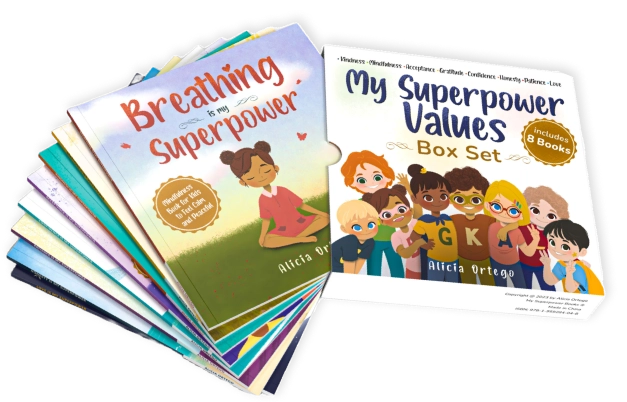
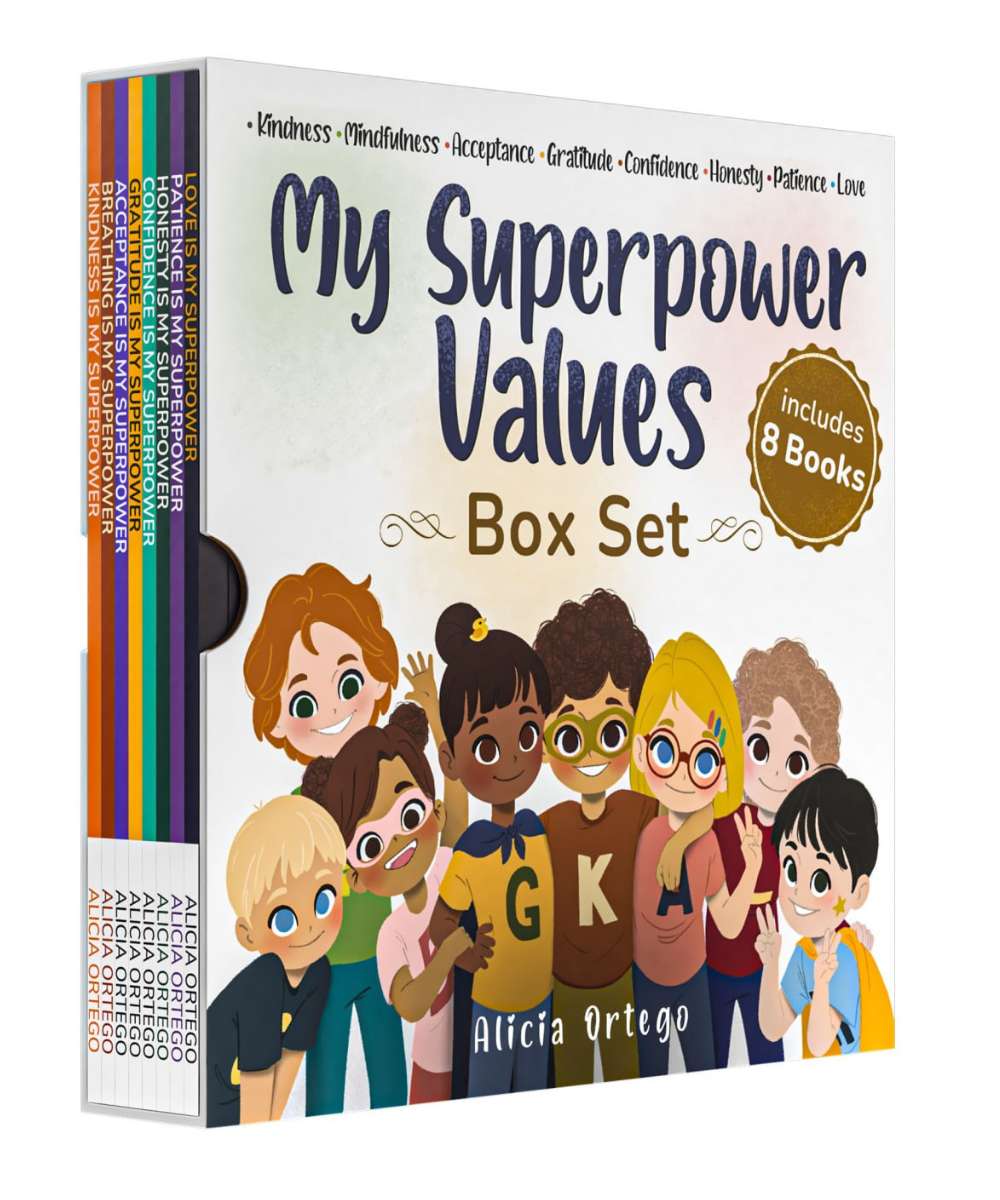
Books like Kindness is My Superpower provide practical examples and stories that help children understand how to practice kindness every day.
Developing a close bond with your child enhances their capacity for kindness and empathy. If you’re looking for more ways to deepen your connection, here are 5 simple activities to help you bond more with your kids.
Check our articles about Kindness:
- “The kindness calendar adventure for kids”
- “Kindness is my superpower” book
- “15 Kindness quotes for kids and why you need them”
- “Kindness activities and craft ideas for preschoolers”
- “Kindness coloring pages: how it works”
2. Respect
Introducing the value of respect early helps children appreciate diversity and differing opinions. This lays the groundwork for strong interpersonal relationships, teaching them to value everyone’s perspectives and treat others with dignity.
Check my articles about respect:
3. Responsibility
Children learn to understand the consequences of their actions by instilling a sense of responsibility. Taking ownership of their choices and actions fosters accountability, a crucial personal and social development trait.
Check my articles about responsibility:
4. Gratitude
Gratitude is a powerful tool for promoting emotional well-being. Teaching children to express thanks for the people and things around them encourages a positive mindset, contributing to overall happiness and contentment.
Check my articles about Gratitude:
- “Gratitude is my superpower” book
- “How to raise a grateful kid using activities”
- “Simple way to teach children to be thankful through games”
5. Honesty
Honesty is the bedrock of trust. By emphasizing the importance of truthfulness, children develop integrity and build trust with those around them, setting the stage for healthy relationships.
Check my articles about Honesty:

6. Perseverance
Life is full of challenges, and instilling perseverance equips children with the resilience to overcome obstacles. Understanding that setbacks are a part of life encourages a growth mindset and a determination to succeed.
Sample Activities
To help children develop perseverance, simple everyday activities can make a big difference. For example, these activities encourage patience, effort, and resilience.
Planting and Gardening
Growing plants teaches children patience and shows how consistent care leads to results.
Creative Art Projects
Drawing, painting, or crafting helps children stay committed to a process even when mistakes happen. Over time, they learn that improvement comes with practice.
Reading Challenging Books
Choosing books slightly above your child’s reading level encourages persistence. Additionally, reading together helps children work through difficulties and build confidence.
Outdoor Exploration
Nature walks or small physical challenges, like climbing a hill or crossing a stream, help children build resilience. As a result, they learn that challenges can be overcome with effort.
Ultimately, the goal is to create opportunities where children face challenges, practice patience, and experience the rewards of perseverance.
7. Teamwork
The ability to work collaboratively is a vital skill. Introducing teamwork early on helps children appreciate the power of collective effort and fosters strong communication and cooperation skills.
8. Courage
Teaching children to face fears and challenges with courage instills resilience. This value empowers them to step outside their comfort zones, fostering a mindset that embraces learning and growth.
9. Compassion
A compassionate heart is a gift that keeps on giving. By exposing children to the struggles of others, they develop empathy and a sense of responsibility towards making the world a better place.
10. Self-discipline
Introducing self-discipline early helps children learn to manage their impulses and make thoughtful decisions. This value is crucial for academic success, personal development, and well-being.
11. Optimism
An optimistic outlook on life contributes to emotional resilience and a positive mindset. Teaching children to focus on solutions rather than problems equips them with a valuable life skill.
12. Tolerance
Cultivating tolerance from a young age helps children appreciate diversity and navigate a multicultural world with open-mindedness. This value promotes inclusivity and a sense of global citizenship.
13. Generosity
The joy of giving is a lesson that lasts a lifetime. Teaching children to share and be generous instills a sense of community and encourages a spirit of kindness and compassion.
14. Humility
Humility promotes healthy self-esteem. Children develop a balanced sense of self-worth by appreciating their strengths and weaknesses and fostering positive interpersonal relationships.
15. Environmental Responsibility
Teaching children to be environmentally responsible is crucial in an era of environmental challenges. Instilling awareness about ecological footprints and the importance of sustainable choices helps create ecologically conscious citizens.
At last
Teaching values before age 10 is one of the most powerful ways parents can shape their child’s future.
By nurturing kindness, responsibility, empathy, and perseverance, parents help children develop strong character and emotional intelligence.
These values prepare children not only for personal success but also for building meaningful relationships and contributing positively to the world.
More articles
Summer Camp Safety: How to Know If Your Child Will Be Protected
Most child harm happens at the hands of someone the child already knows and trusts, and a significant share of sexual abuse involving minors happens between young people themselves. Those facts can make any parent think twice about camp safety. On top of that, not every camp meets the standards families might expect, and some […]
How to Prepare Your Child Emotionally for Back to School (+ Best Back to School Books for Kids)
Back to school is often painted as an exciting milestone—new backpacks, fresh notebooks, new friends. But for many children (and parents), it also brings something less talked about: uncertainty, worry, and emotional overwhelm. If your child suddenly becomes more clingy, quiet, or irritable as the school year approaches—you’re not alone. Back to school anxiety in […]
From Storytime to Social Skills: How Everyday Home Life Builds Emotional Intelligence in Children
Emotional intelligence—the ability to recognize, understand, and manage emotions—is one of the most important skills a child can develop. While schools and structured activities play a role, the foundation of emotional intelligence is built much closer to home. Everyday interactions, routines, and seemingly small moments within family life shape how children perceive themselves and others. […]